





By Asemahle Vumsindo
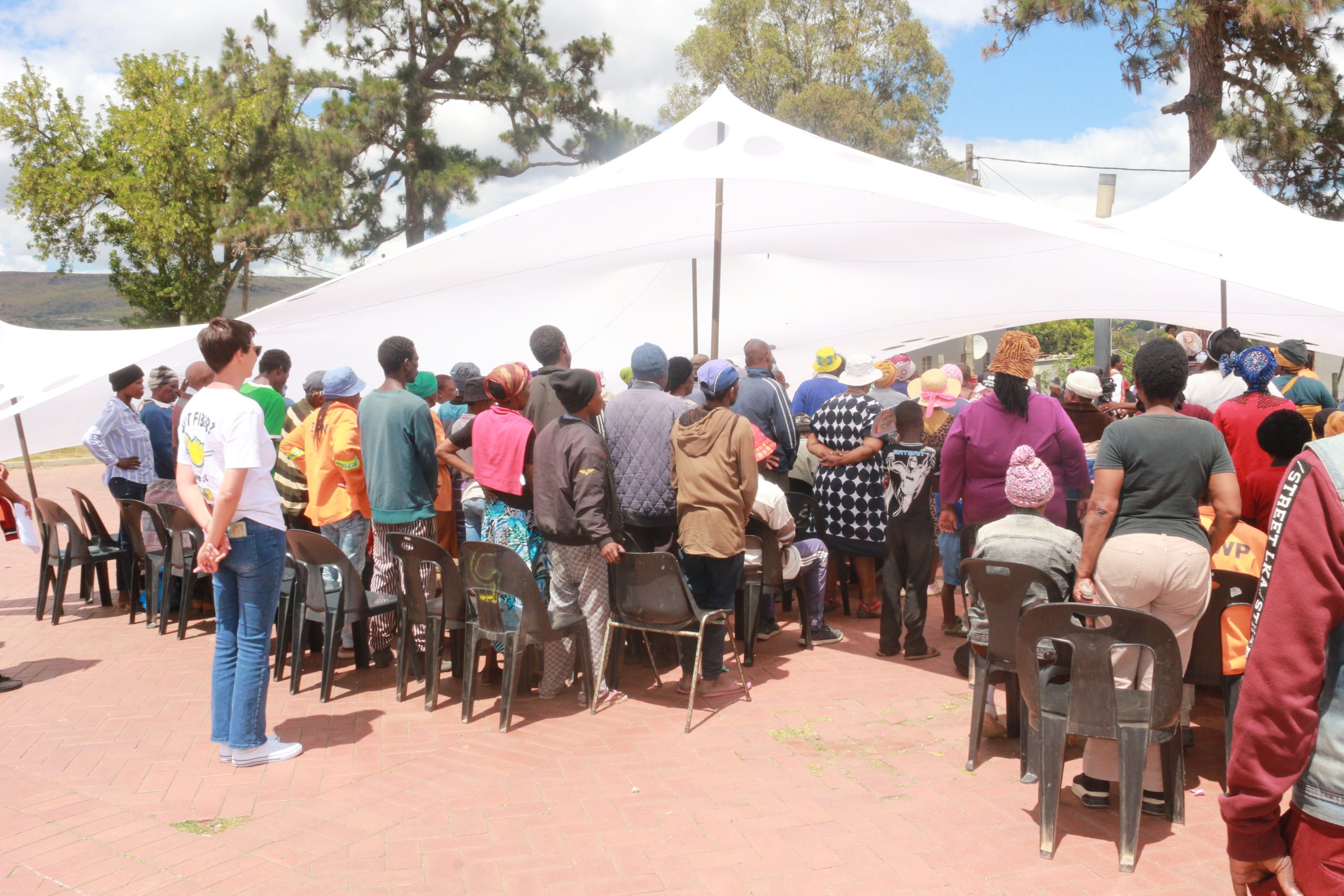
The Makhanda Community Soup Kitchen Initiative officially launched this week, establishing a crucial lifeline for vulnerable families in the area. Driven by the Masifundise Community Family Care and Development Centre and strongly supported by fibertime, the programme integrates immediate food security with vital long-term community support in the poor communities within Makhanda.
Tackling poverty and hunger
The launch comes in direct response to the severe socio-economic conditions facing these vulnerable communities. Speaking at the event, Lungile Mxube, Executive Chairperson of the Masifundise Community Family Care and Development Centre, explained the critical motivation behind the project.
”We’re doing this initiative because Makhanda has been identified as one of the poorest cities in the province,” Mxube stated. He confirmed that Masifundise is launching three soup kitchens to actively combat the deep poverty caused by the high unemployment rate.
The initiative, which follows a successful pilot phase in the Fingo Community, now provides nutritious meals twice a week to a diverse range of vulnerable residents, including unemployed individuals, single parents, child-headed households, and people living with disabilities. The programme places a critical, specific focus on street children and kids who lack family support, ensuring this highly vulnerable group is consistently nourished.
Furthermore, Mxube highlighted the essential educational impact of the food programme: “These soup kitchens will help children go to school to go with something in their stomachs, supporting students who attend early childhood development centres.”
A commitment beyond connectivity
The partnership showcases fibertime’s commitment to the well-being and development of the communities it serves. Munewazwo Moloko, Customer and Community Communications at fibertime, said: ”We’re here to show people that we care more than providing internet connectivity.”
Fibertime’s financial and operational support is comprehensive, covering operational costs and providing dedicated staff volunteers to help run the soup kitchens efficiently. The sponsorship also contributes to the equipment, branding, and training resources required for the over 100 community volunteers who serve as local changemakers.
Bridging the digital and skills divide
Adding significant context to the company’s vision, Phumla Ngesi, fibertime’s National Schools Plan Co-ordinator, detailed how this local effort fits into a much larger national strategy. Ngesi explained that fibertime supports schools with connectivity and routers to provide crucial internet access, noting, “To help with catching up with the rest of the world and not study by using the old methods.”
This commitment is governed by their National Schools Plan, which targets beneficiaries aged five to 25 years. Key initiatives include:
- Primary school programmes like Hopscotch (the jumping game), Fun Time with Fibertime, and Half Time with Fibertime (focused on sports like rugby and soccer).
- High School learners benefit from dedicated time on the internet, critical lessons on cyberbullying, and essential career expos.
- Community skills development: fibertime runs a programme specifically for the NEET (Not in education, employment or rraining) demographic, helping community members gain valuable skills needed to enter the workforce.
Moloko concluded by sharing their drive for expansion, confirming that Makhanda is just the beginning: “We want to grow and expand to other communities and serve them as well.”

