By Ororiseng Kabelo

The Andrew Moyake School of Excellence aims to excel in all it does, including its extra-curricular activities.
Andrew Moyake is a new high school that opened in January 2023 to help fill the gap of the 150 to 250 unplaced Grade 7 learners at that time. It is growing strong with sports and extracurricular programmes that are highly celebrated.
The school offers a Library Club, Netball, Soccer, Rugby, the Environmental Club, Chess, Choir, Drama Club, Academic Tutoring, Basketball and Aerobics at the indoor centre.
From primary to high school
The school first started as a primary school in 1927 in Fingo Village but closed in 2020 during Covid due to lack of resources and the low number of learners it had at the time. It now thrives as a high school with a larger number of learners.
Andrew Moyake strives to not be the same mould of township school. They intend to stand out, offering Marine Sciences as a subject and Computer Application Technology, which they had to borrow computers for. They also offer Drama as a subject, providing learners the opportunity to study drama and theatre after high school.

Learning beyond the classroom
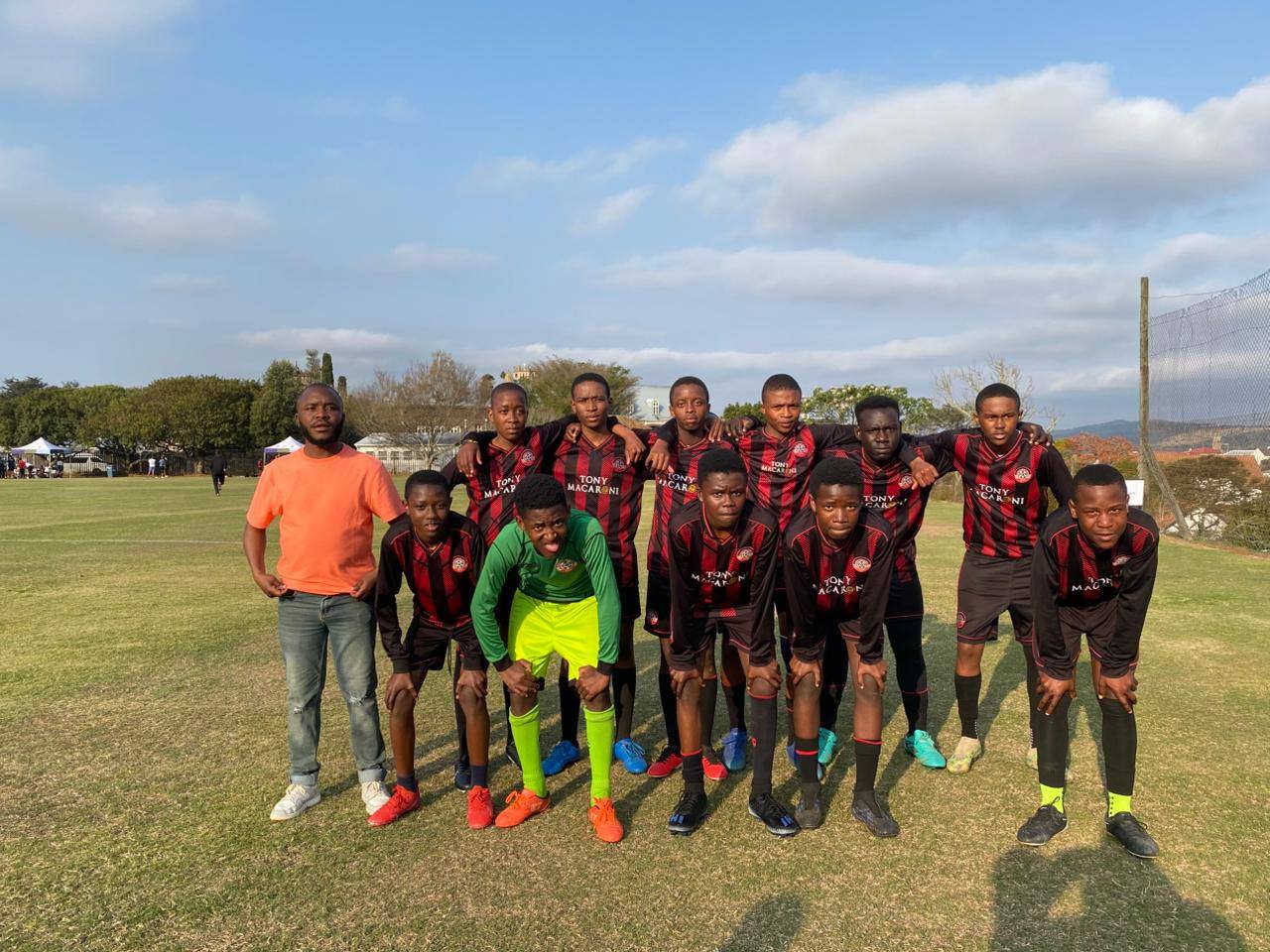
Andrew Moyake Sports Coordinator, Sive Mdidimba, says that because of the benefits and skills acquired through extracurricular activities, he thinks the world would be a better place if every child played sports.
“It keeps you away from trouble, especially ekasi. Kids that play sports wholeheartedly, they’re too tired to get up to mischief,” he says.
Four learners, Emihle Ngxongo, Qhawe Mzondi, Kamvelihle Nase and Simanyelwe May, said what they love about playing sports is good communication, having fun and the chemistry they have with their teammates.
Emihle says she loves that playing sports helps her to “listen to and understand instructions”.
Funding challenges
According to the Department of Basic Education’s School Sport and Physical Education Policy (2012), sports and physical education are essential for the holistic development of learners. Schools are highly encouraged to offer structured extramural and co-curricular activities, integrate Physical Education into the timetable, and participate in school leagues.
Although this is expected from all schools, funding is not available for non-fee-paying schools to afford the necessary equipment, resources and facilities. Since 2020, no-fee schools have been withheld R5 billion in funding by the Eastern Cape Department of Education to prioritise new projects such as e-learning. Although the national Minister of Basic Education has allocated money to no-fee schools, the ECDOE has withheld 33.75% of that funding from school budgets.
This forces no-fee schools like Andrew Moyake to find other ways to receive resources.
Partnerships and donations
The school has partnered with neighboring schools for facilities and, in some cases, equipment so they can take part in leagues.
“We connect with people that have things that we don’t have, and we ask for assistance in that way and visa versa,” says Hellemann.
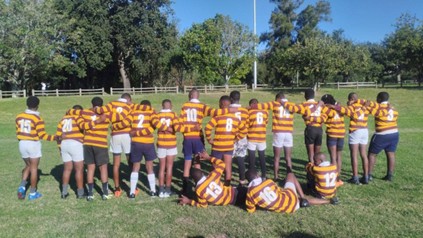
Although they often have to borrow, the number one way they receive donations is by playing and playing well. The school’s rugby team won a match and through Facebook received recognition which led to a donation of rugby equipment.
“If we sit back and say we don’t have, no one’s [going to]give something when you’re not doing anything,” says Hellemann.

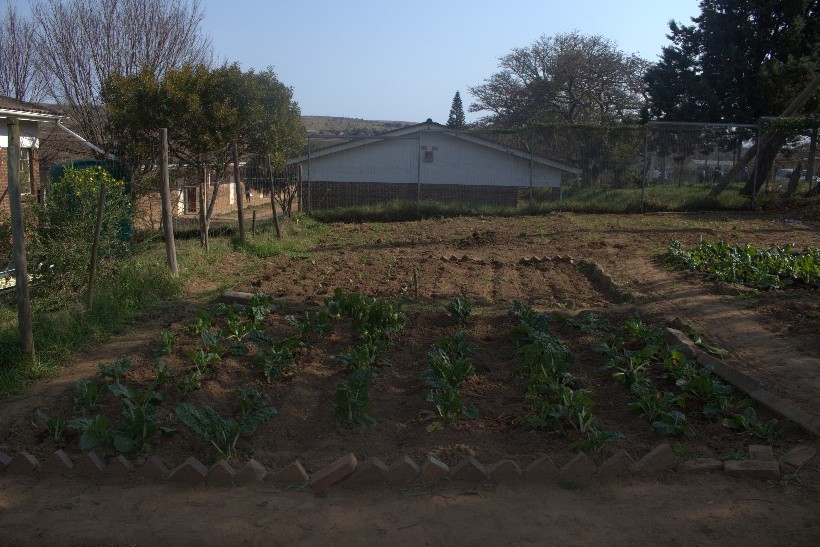
The school’s Environmental Club is also an example of that. They currently work together with Professor Brendan Wilhelmi, the Head of Biochemistry at Rhodes University, to grow a lettuce garden in front of the school for free.