By Sive Rihanna Dasha
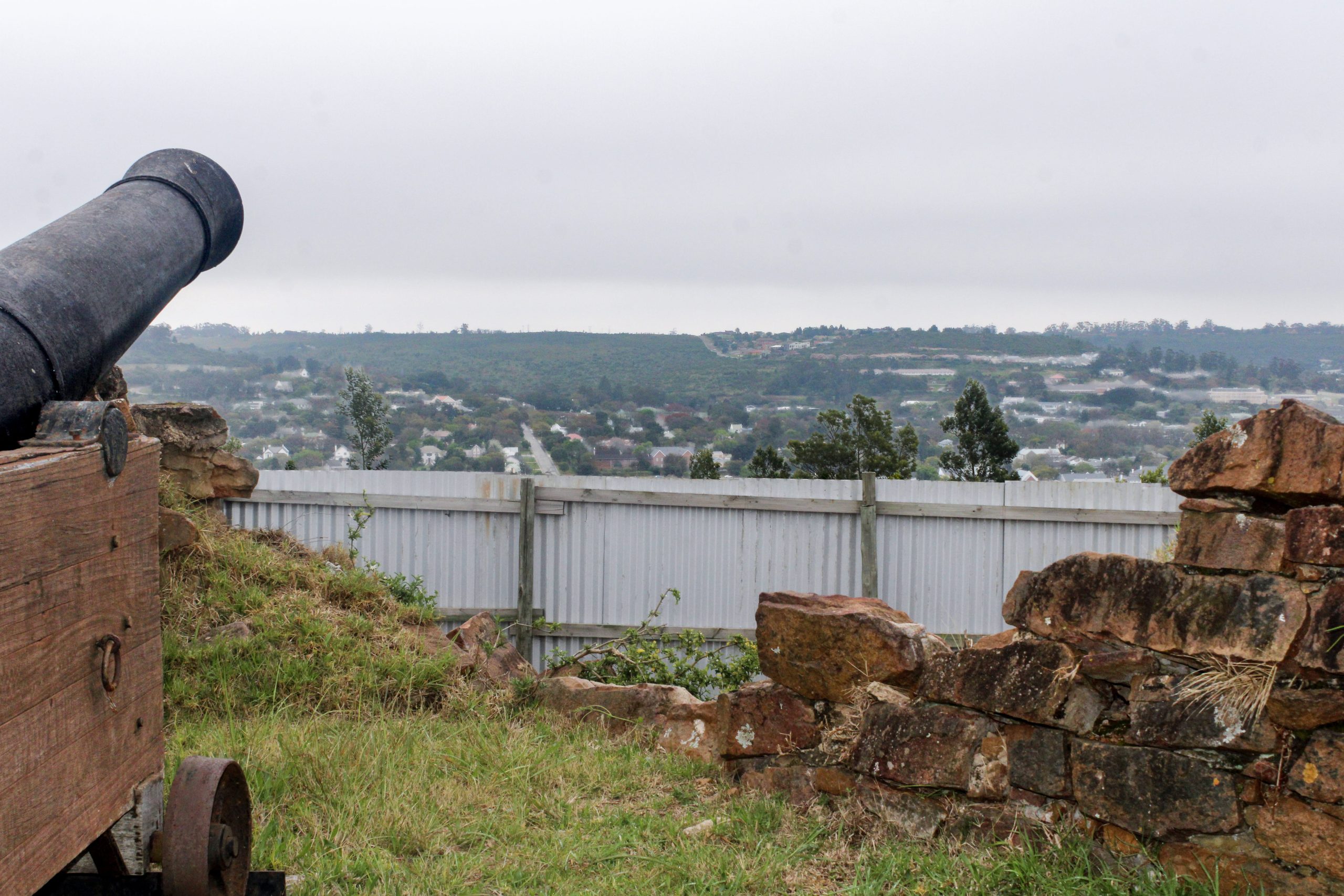
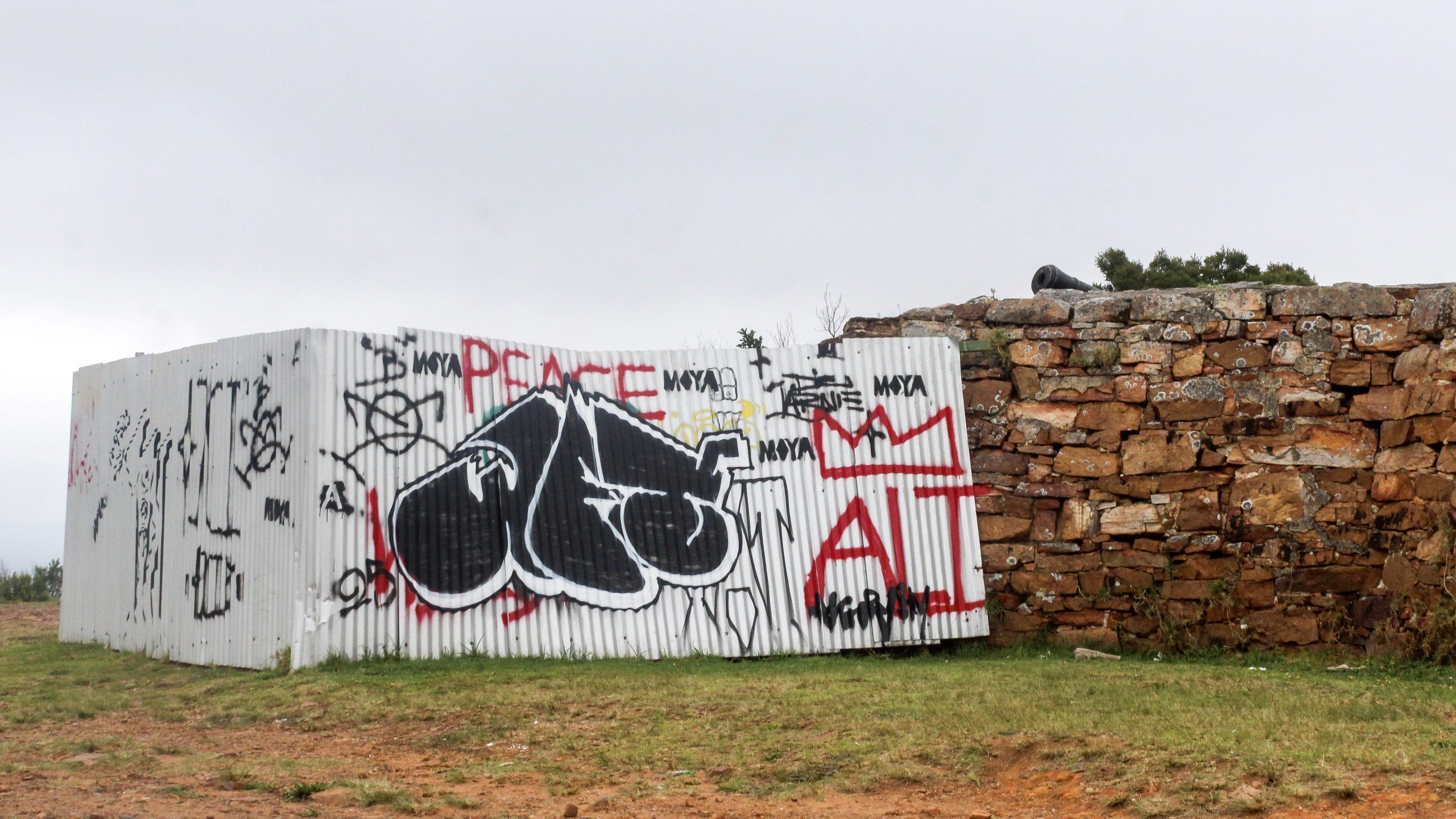
Fort Selwyn is falling down. For more than five years, heritage activists and experts have tried to initiate repairs to the historic landmark adjacent to the Settlers Monument. But Albany Museum, which is responsible for the site, has remained largely unresponsive.
According to advocate and former Albany Museum board member Jock McConnachie, the fort is a landmark that deserves proper attention and care. “Fort Selwyn is important to our heritage, and it’s a site that the community and visitors alike should be able to appreciate safely,” he told Grocott’s Mail.
The military fortress was built in the 1830s, around the time of the sixth frontier war, and started to collapse five years ago when a section of the perimeter wall gave way. Other areas of the structure show various signs of neglect.
McConnachie’s correspondence with Albany Museum includes a long history of unanswered emails to the museum’s management, trustees, and staff — some of it dating back to his tenure on the museum board when the matter was delayed and an offer from a local building contractor to repair the collapsed wall at no cost was ignored. McConnachie said that repairs would be straightforward and should not require complicated procedures or permissions.
Frustrated by silence and inaction, McConnachie then enlisted the support of experts, including conservation architect William Martinson, who previously prepared measured drawings of the fort, as well as Professor Pat Irwin and Basil Mills. A site meeting to discuss the necessary repairs is planned and McConnachie hopes that representatives from the Albany Museum will participate. A photography session is also planned, to document the current state of the fort, highlight areas in need of urgent repair and note its heritage value. “I care about this place, and I don’t want to see it deteriorate further. If no solution is found, it will be exposed to theft and more damage,” McConnachie said.
Celeste Booth, director of the Albany Museum, explained that as a government official, she is not allowed to give interviews directly to the media without going through proper channels. This involves approval from her supervisor, the board of trustees, and the Department of Sport, Recreation, Arts and Culture (DSRAC) head office media and communications department. She said this process may take some time. In any event, she said she was unavailable for the rest of the month (September, when reporters began work on this story) and offered to either start the process of acquiring permissions or suggest an alternative spokesperson.
Zandisile Sakata from DSRAC, who works closely with the museum, said this was the first time he was hearing about the Fort Selwyn matter. He said the responsibility for maintaining such heritage sites lies directly with Albany Museum. He referred Grocott’s Mail to historian Gcobisa Zomelele, who may provide more information and insight on the history and preservation of the fort. Multiple attempts to contact her have been unsuccessful.
Provincial spokesperson Andile Nduna said he was unable to provide comment on the matter as he works at provincial and national levels.
Grocott’s Mail will continue to follow this story.