By Siyanda Zinyanga
On two afternoons in July, five Rhodes students from the Department of Environmental Science walked the “lungs of Makhanda”, the Botanical Gardens. In groups that included community members, they listened and asked themselves questions that the town had never really dared to ask: Who really belongs here? What does nature mean in a divided city?
Their research revealed even lungs can choke if parts of the body are excluded from breathing. Their project, supervised by Dr Jessica Cockburn, Senior Lecturer in Environmental Science, was not an ordinary university assignment: students observed the Botanical Gardens not as visitors or tourists but as witnesses.
“As a lecturer, I am using this kind of undergraduate research to build the skills and knowledge in the next generation of environmental researchers and practitioners, which can enable them to conduct participatory, engaged and potentially transformative research.” Cockburn said.

A garden between two worlds
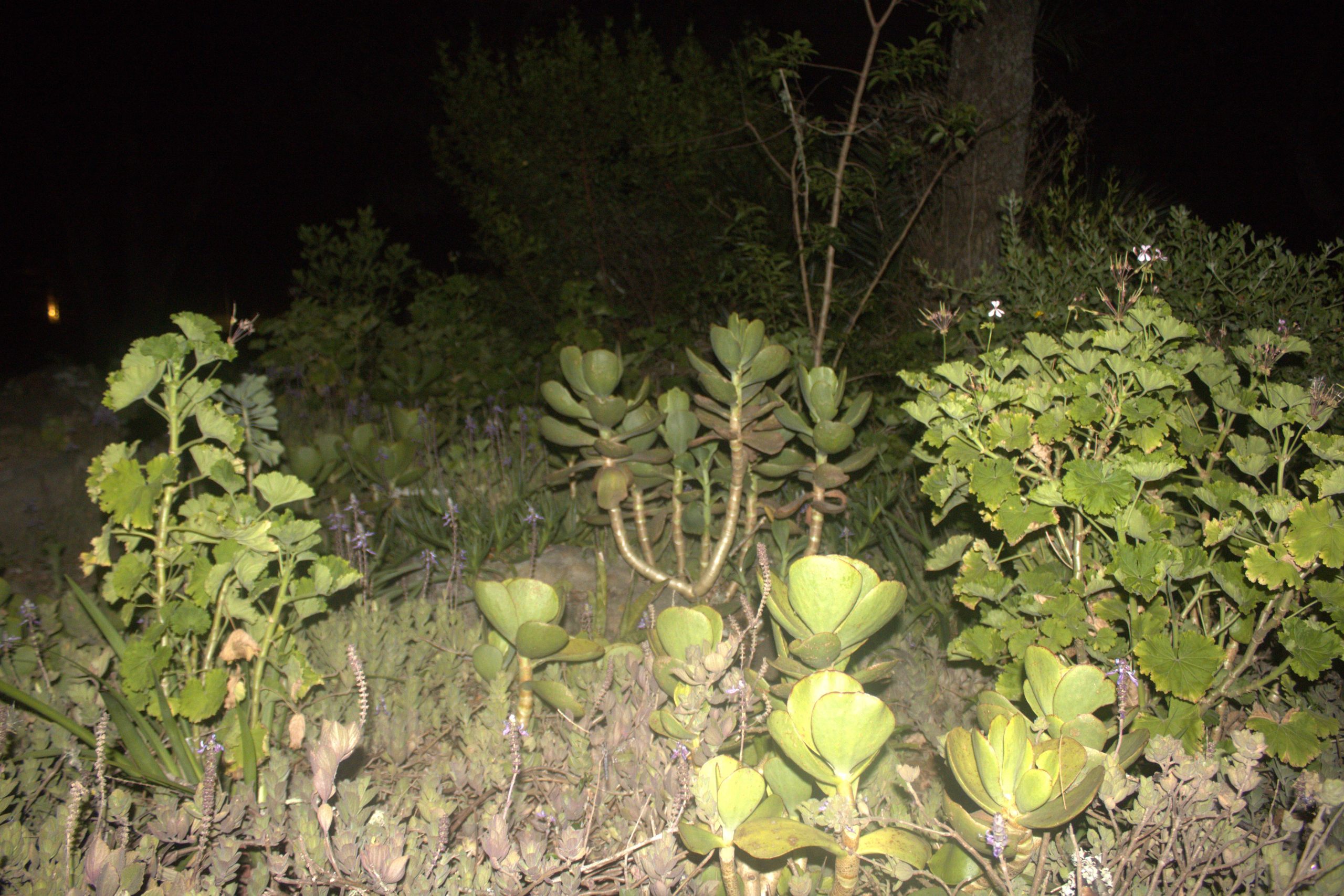
The Makana Botanical Gardens, established in the 19th Century, stretches like a lung on the edge of Rhodes University campus. It is South Africa’s second-oldest botanical garden. It was once a colonial import of European design and order and is now surrounded by the chaos and promise of post-apartheid Makhanda.
From Somerset Street, past the old museums and the Eden Grove buildings, the road curves gently left, into a world where time slows down. But as you walk deeper, the silence and beauty causes a person to stop and question: Who really walks here?
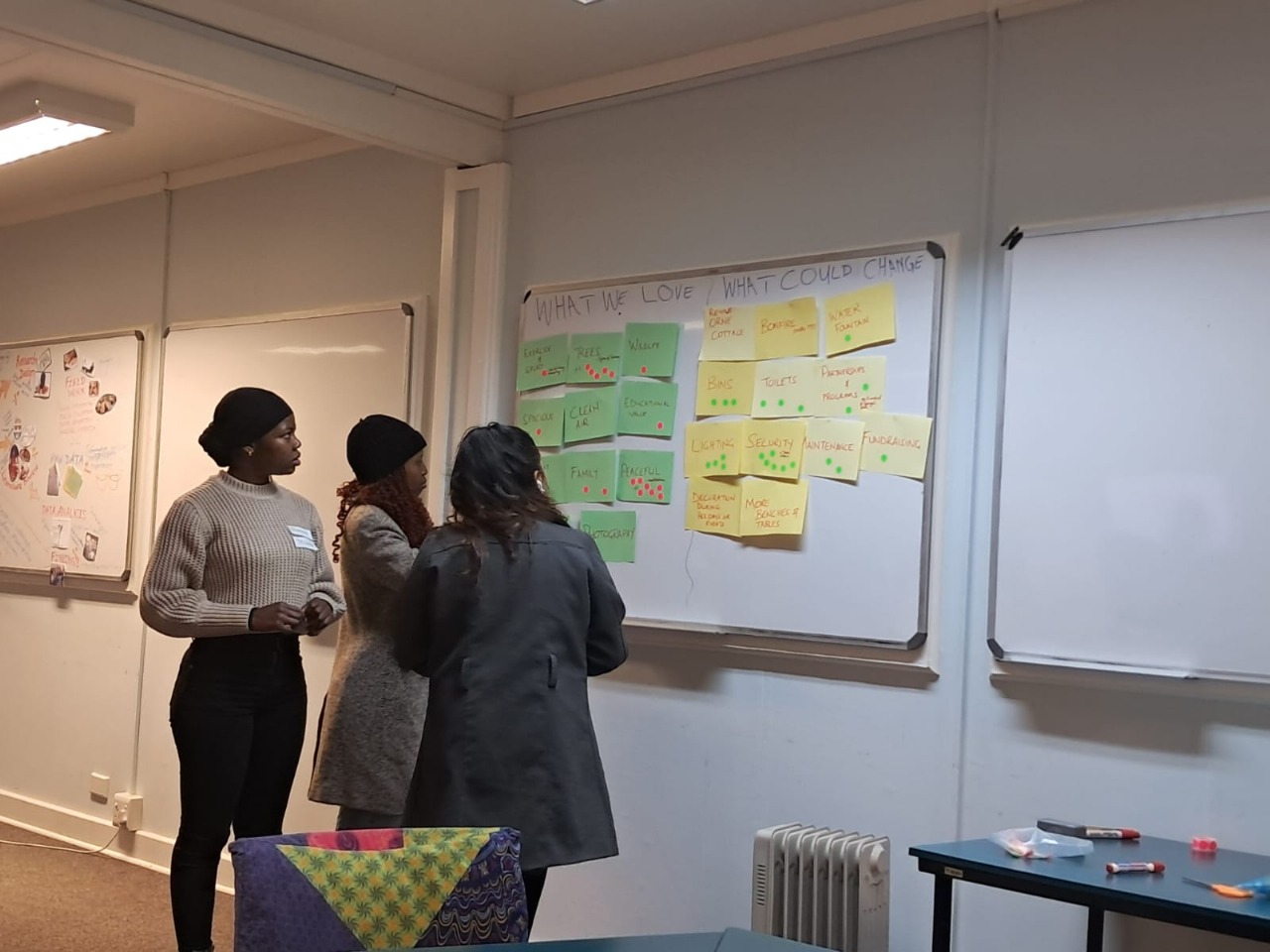
This is where Cockburn’s students began their journey, through two “walkshops” in which 44 participants in total, students, staff, and community members, were invited to map the garden not by species, but by feeling.
“The group gathered for a guided focus group discussion in a meeting venue on campus, where they identified key themes speaking to ‘What we love’ and ‘What could change’ about the garden. Participants walked through the garden and explored guiding questions on the value of the garden and what they would like to see changed in terms of management,” Cockburn said.
Municipal officials and Rhodes university managers were invited, but didn’t come. Homeless residents, who often rest in the garden’s shadows, weren’t included, a flaw the researchers acknowledged. And so, in a way the absence became the data.

The geography of belonging
Guided by participatory methodologies, the research turned the garden into both classroom and mirror, it revealed that:
- the gardens nurture mental health and peace
- they offer space for studying, biodiversity and recreation.
- but they also whisper symbolic exclusion, a quiet social segregation space masked as serenity.
Cockburn calls the last point, a “historical spatial barrier”, a kind of invisible fence between campus and community, between those who stroll through the gardens and those who pass by without entering.
“Garden users do not have a clear understanding of ownership, access and user rights. There is no signage available to make this kind of thing clear to users.” In environmental science, such boundaries are known as landscape inscriptions, which are invisible codes written into space that tell some they belong and others they don’t.
The dreams of ubuntu and ethical research
Cockburn describes this kind of research as a “teaching and learning journey” and the birth of new environmental scientists. “The primary purpose of the research is skills development for the students in terms of their development as emerging environmental scientists. We also plan to share key findings with decision makers at the university.”
The students’ reports echo this transdisciplinary approach: they recommend improved security, community signage, educational use, and accessible infrastructure, but also call for something more radical, a reimagining of ownership through ubuntu.

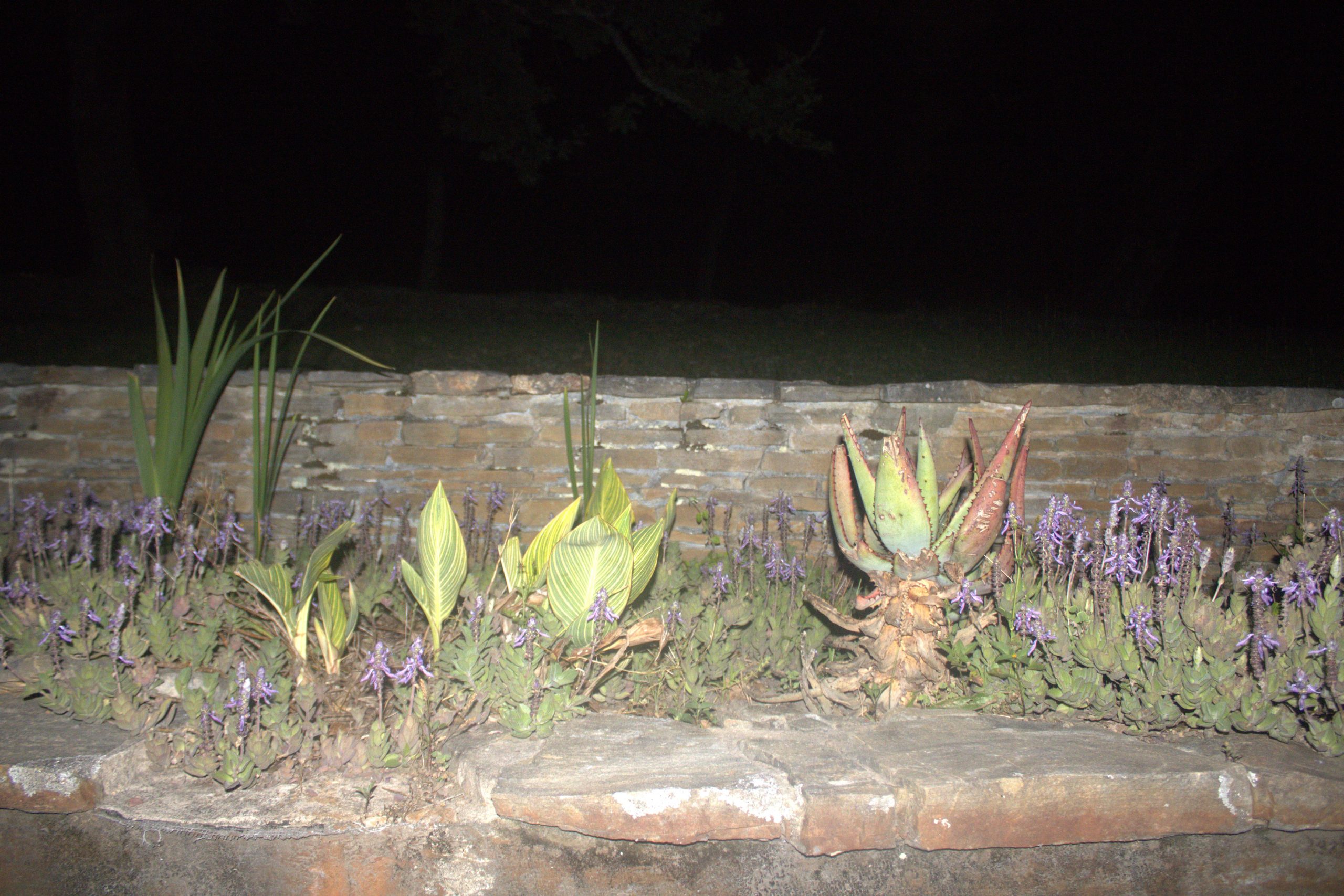
Photo: Siyanda Zinyanga
A future rooted in transformation
The third-year Environmental Science research group work undertaken by Precious Moiloa, Phozisa Ndzuzo, Kayleigh Shunmugam, Phindile Masemola, and Yanga Jonas as part of their course work will feed into the Friends of Bots initiative, led by Dr Philippa Irvine, a senior lecture at the geography department at Rhodes. The initiative seeks to bring together Rhodes University, the Makana Municipality, and local residents to co-manage the space.
Though no formal partnership exists yet between the Environmental Studies Department and the municipality, this research might be the first root in a growing forest of collaboration.
When knowledge becomes liberation
Does the act of studying nature risk turning it into an object, rather than a shared living experience? Cockburn doesn’t shy away from these questions. “Yes, one could argue that. However, I believe that we need both ‘objectifying research’ which helps us to develop fact based information about nature, and we need to engage in living experiences with nature in the more participatory, action based research which we have conducted here,” she explained.
In that sentence lies the significance of what environmental geography truly is, the meeting point between ecological process and human consciousness.
The students findings from the walkshops read both as a prayer and a plan:
“The development of the Makana Botanica requires a holistic approach, taking into consideration the different views and concerns of the different stakeholders. It is important to involve them because they are using the space and have the right to take part in these initiatives of co-creating knowledge. This study highlights that the Makana Botanical Garden is regarded as a valuable asset by some members of Rhodes University due to its significant contribution to mental health, education and recreation. However, the main issues are security, lack of basic infrastructure and uncertainty in governance. Thus, enforcing the need for the decision makers within the university such as the Grounds and Gardens to implement these solutions and strategies towards creating a sustainable environment in the Makana Botanical Garden.”
This, is what the late Frantz Fanon might have called decolonising the landscape: turning public spaces from monuments of exclusion into living spaces of collective care.