





By ‘Maleruo Leponesa
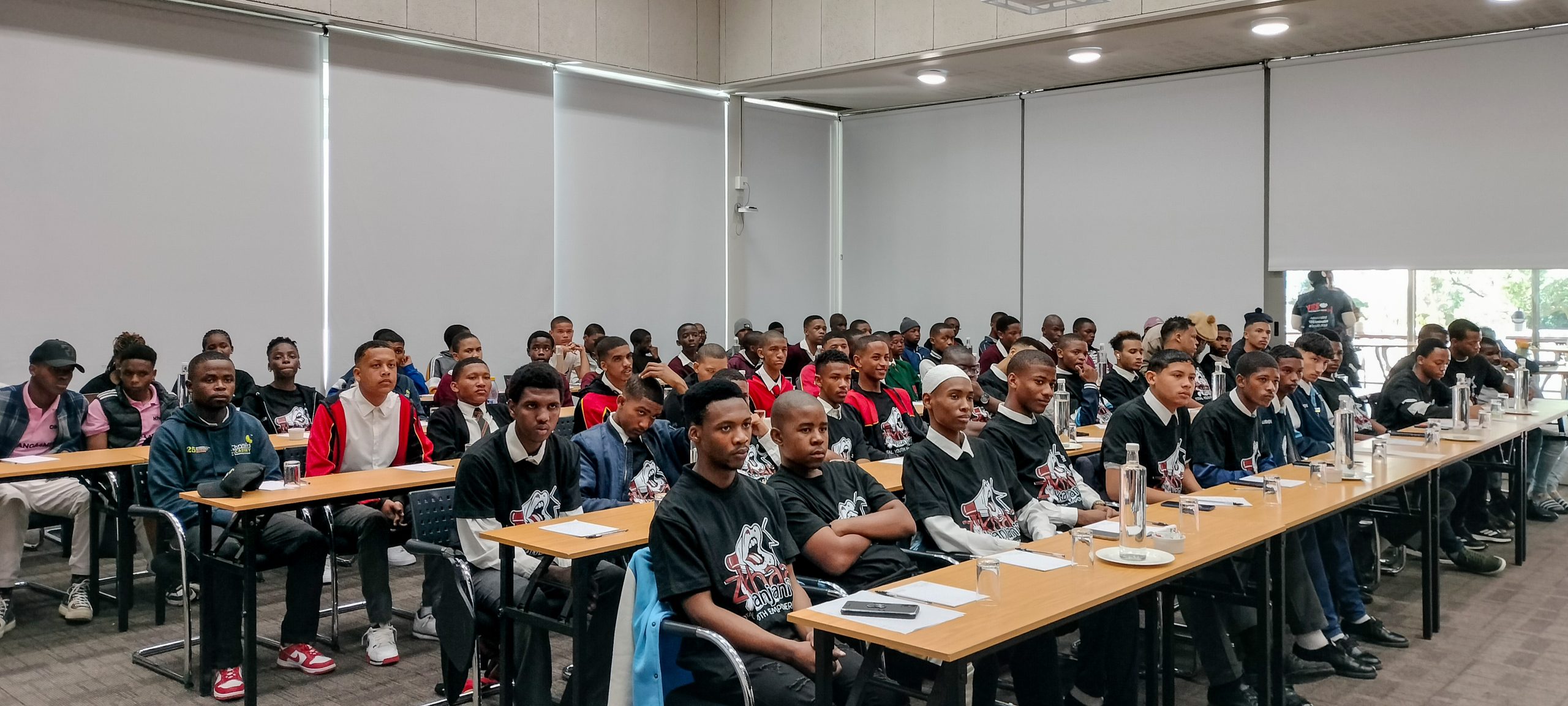
In a groundbreaking initiative to address toxic masculinity, gender-based violence, and the socialisation of the boy child, the National Boys Parliament was launched last week at Stellenbosch University. The historic gathering brought together adolescent boys and young men from all nine provinces alongside high-level government officials, civil society leaders, and development partners to chart a new course for the future of South Africa’s young men.
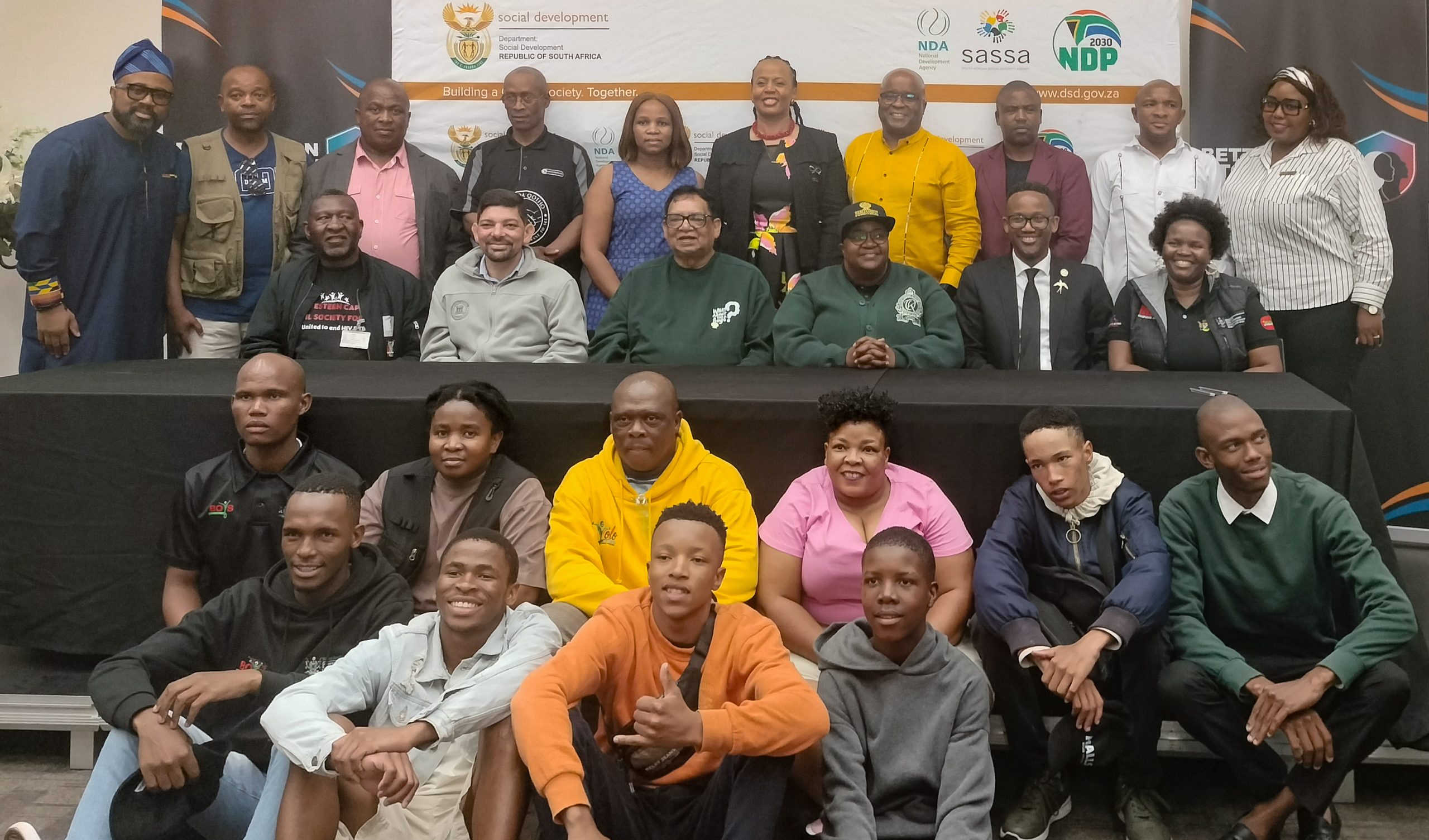
The launch was attended by key government figures, including Deputy President Paulus Mashatile, who emphasised the importance of this national dialogue.
The Department of Social Development, represented by Deputy Minister Mogamad Ganief Hendricks, and the Department of Women, Youth, and Persons with Disabilities, led by Deputy Minister Mmapaseka Steve Letsike, also showed their commitment to the cause. Further support came from leaders in the National Council of Provinces, the Western Cape Provincial Legislature, and other political figures across the country.

The event highlighted a range of critical issues affecting young boys in South Africa, many of which hinder their development and well-being. These include:
- Substance abuse (drug and alcohol)
- Gangsterism
- Lack of positive role models in families and communities
- Bullying in schools
- Gender-based violence and femicide
- Inadequate educational resources
- Mental health struggles and emotional suppression
The resolutions emphasised that young boys often face these challenges alone, without sufficient support from families, schools, and society.
Acknowledging the efforts already underway by the government and civil society, the Boys Parliament commended initiatives such as the Boys Championing Change program, spearheaded by the Department of Social Development, and the work of organisations like Sonke Gender Justice, Ekhayalethu, and Sport Stepping Stones, among others. These organisations provide essential services, but the call for increased financial support to scale these efforts was loud and clear.
The Boys Parliament also emphasised the need for improved coordination between government departments, such as the Department of Basic Education, Health, Sport, Arts & Culture, to develop a unified strategy that supports young boys across all spheres of life.
The National Boys Parliament also received powerful recommendations from the Brave Movement “Data to Action Workshop,” supported by the C20. These included calls to reform the justice system to protect children better, invest in education systems for prevention and empowerment, and ensure youth-inclusive governance. The Parliament’s resolutions proposed:
- Enacting robust digital safety laws to protect boys from online exploitation.
- Reforming justice systems to prioritise child protection and healing, rather than protecting perpetrators.
- Upskilling educators and public servants to respond to the needs of boys and protect them from harm.
- Creating community-driven policies to address local issues affecting boys and their families.
- Strengthening the National Boys Parliament
A key resolution to emerge from the National Boys Parliament was the integration of the Boys Parliament into the Men’s Parliament. The Boys Parliament will now have its own dedicated day at the Men’s Parliament, ensuring that the voices of young boys are heard at the highest levels of governance. The Parliament also called for provincial Boys Parliaments to be convened by the Departments of Social Development in all nine provinces.
In his closing speech, Honourable Shaydon Bezuidenhout, the spokesperson for the boys, passionately declared that the time for action is now. “Today marks the end of the beginning, and tomorrow marks the start of our work,” Bezuidenhout said. He called for innovative implementation and partnerships to ensure the resolutions were not just words on paper, but real change in the lives of boys across South Africa.
The National Boys Parliament’s resolutions are a bold call to action, urging both the government and civil society to take immediate steps to address the systemic issues that affect young boys in South Africa. The parliament’s commitment to strengthening the Better Man 4 Tomorrow initiative, building capacity among leaders, and fostering collaborative efforts will be vital in shaping the future of boys in the country.
As this historic event comes to a close, it is clear that the journey towards creating a safer and more supportive environment for young boys is just beginning. The future of South Africa’s boys, and by extension the future of the nation, depends on the actions taken today.

