





By Siyanda Zinyanga
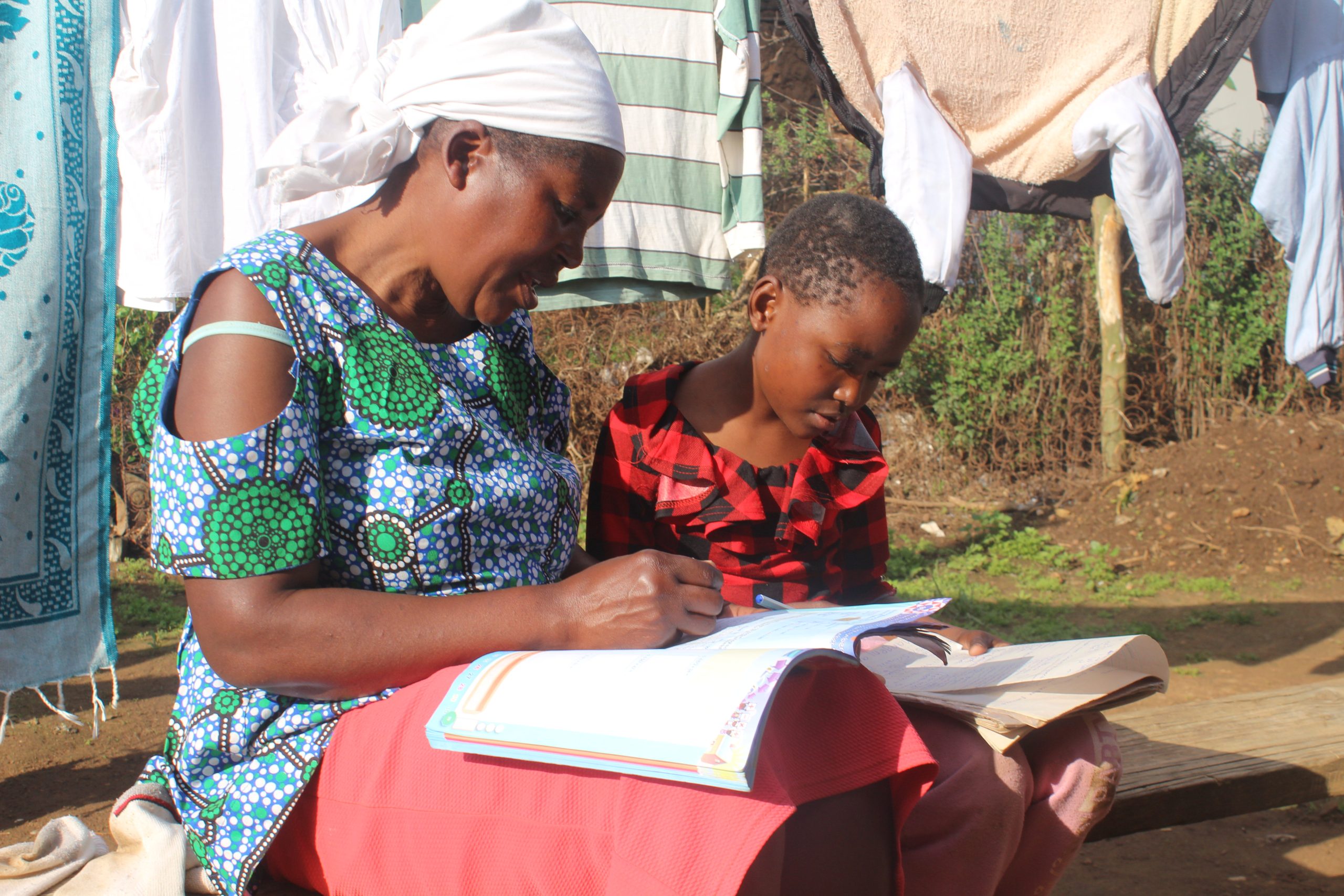
In the township of Vukani, a mother sat with her Grade 4 daughter, patiently teaching her multiplication and division. When Grocott’s Mail arrived, the lesson was already in progress, a reminder that women are often the first teachers in a life.
“She says she does not hear what the teachers say sometimes, so this practice helps her out,” Louis Chawanda said as she proceeded with the lesson. During a time where girls need to be educated in society, her action carries even greater meaning: it shows how women nurture and build knowledge, shaping the future of their children and the community. In a place like Makhanda, with its many schools and formidable education challenges, her role proves that education at home is a powerful tool for change.
According to Zintle Bangiso, a lecturer and teaching co-ordinator for postgraduate studies at Rhodes University, parental involvement plays a critical role in a child’s education. “I believe all kids can learn, I believe everyone can learn, and having supportive parents in a child’s education is important,” she said. Bangiso added that when parents are absent from their children’s learning journey, children often seek role models elsewhere, sometimes in the wrong places.
This sentiment is echoed by Esinathi Mangenjani, a Grade 4 learner, who shared how vital her mother’s support has been. “My mom helps me a lot; otherwise, I would not be able to understand anything at school if she did not help with my schoolwork,” she said. Esinathi’s story highlights the dual role many mothers play as caregivers and educators. Her mother’s involvement ensures she doesn’t fall behind, and is stepping in to fill the gaps left by the school system.
Originally from Limpopo, Esinathi has only lived in Makhanda for two years. Her home language is Xitsonga, and she faces language barriers as she navigates schooling in a community where isiXhosa and English are dominant. Despite these challenges, the support from her mother empowers her to continue learning and dream of a brighter future.

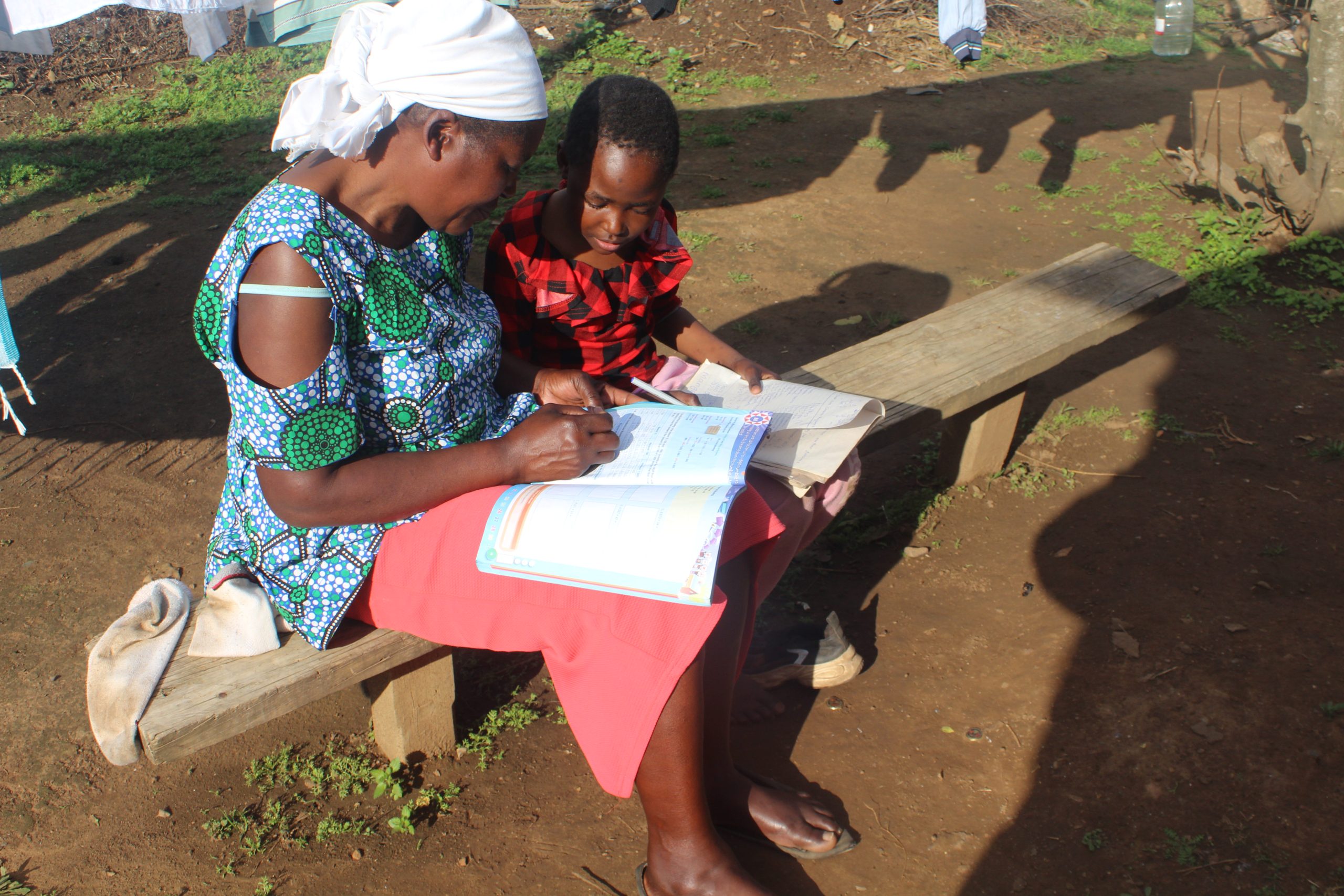
“If she learns these things now, her dreams will not remain dreams. They will become her future,” Chawanda said. She explained that every dream comes with a cost, discipline, and focus. When a mother teaches her daughter, she is not just teaching schoolwork, she is also showing how to set goals, work hard, and achieve great dreams. In this way, the bond between mother and child becomes a quiet revolution, shaping a generation of children who believe in themselves.
Some advice from the Department of Education on how schools and parents can work together
A parent is the most important partner in a child’s education. Successful parent involvement in the child’s education means active, ongoing participation of a parent in the education of his or her child.
Parents can support their children’s learning at home and throughout the school year. They can:
• teach their children discipline and routine;
• develop a partnership with their children’s teacher, staff and the school;
• understand their children’s academic demands;
• get involved with their children’s school; and
• develop a positive relationship with their children

