


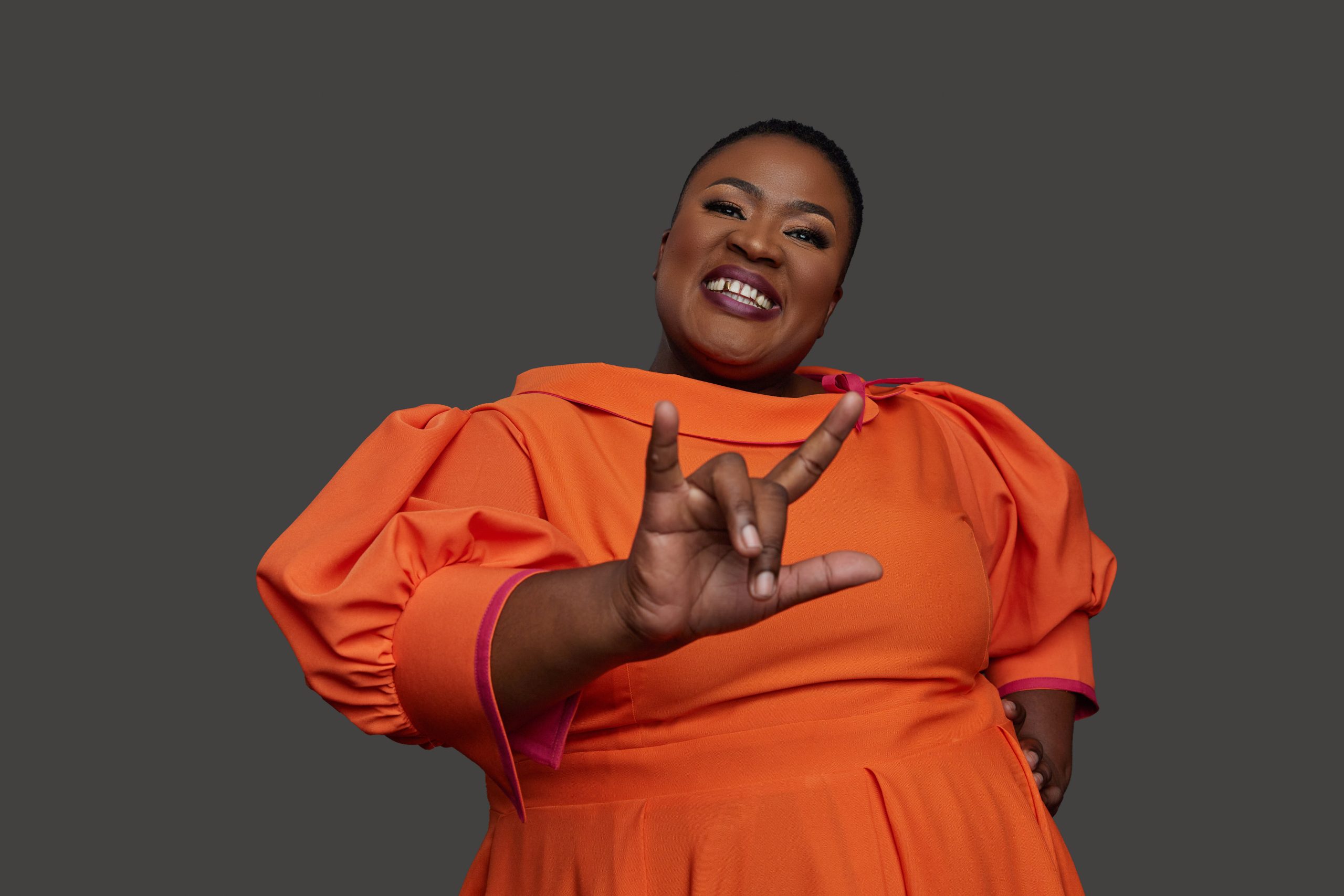
Sign language interpreters Pumza Sikumba and Khetha Mbatha from Izindaba Zethu and Iindaba Zethu, isiZulu and isiXhosa news bulletins, on DStv channel 163, powered by Newzroom Afrika, say their work goes beyond interpreting. It’s about creating access, amplifying voices, and ensuring deaf audiences receive the news in the language that speaks to them.
South African Sign Language (SASL) is rich with regional and cultural variations, much like spoken languages. Having interpreters across different channels helps ensure that deaf viewers from diverse communities are represented and correctly signed to, making news truly inclusive.
For Sikumba, interpreting for Iindaba Zethu is more than a job. “Every bulletin is a chance to innovate and to show that accessibility can be dynamic and news-breaking,” she says.
Her career highlight came when interpreting at the World Federation of the Deaf Congress, where her work was recognised internationally: “Seeing deaf people from across the globe engage with and appreciate my interpreting was unforgettable. It affirmed that South African Sign Language has a powerful place on the world stage.”
Mbatha, who works with Izindaba Zethu says: “For me, it’s not just about delivering news — it’s about creating access and amplifying the voices of communities too often left behind.”
Reflecting on her career highlights, Mbatha points to interpreting crucial Covid-19 presidential updates and mentoring students at her alma mater, the University of the Free State. “Knowing that my work gave deaf viewers access to life-saving information was truly fulfilling,” she adds.
Both interpreters emphasise that interpreting is often misunderstood. It is not a simple word-for-word exchange, but a process involving culture, context, precision, and empathy. They also stress the importance of commemorating International Sign Language Day (Tuesday 23 September).
“Recognition affirms that sign language is a fully-fledged language and part of South Africa’s diversity, yet deaf people still face barriers daily,” says Sikumba. “Marking this day is not symbolic; it’s a call to action to ensure recognition translates into real equality.”
Mbatha agrees: “Accessibility is not a privilege; it’s a right. Commemorating sign language breaks down barriers, fosters inclusion, and keeps deaf people visible, valued, and empowered.”
