By Mahlatse Mokgope
Rhodes University’s annual focus on Pride concluded this week with a talk on how to navigate queer identity as a Christian. From 12 to 22 September, the Nkoli-Fassie Student Society, GenAct, and the office of Equity and Institutional Culture hosted RU Pride, an 11-day celebration and advocacy for LGBTQIA+ people through queer-centred events around Makhanda.
The talk and dialogue “Navigating queer identity as a Christian” was guided by Inclusive and Affirming Ministries (IAM), a non-profit organisation that works towards the recognition and celebration of LGBTIQ+ people on the African continent. The organisation uses biblical texts and theology to advance the human dignity of queer people through diversity awareness, dialogue in safe spaces, and through inclusive faith communities.
IAM tackles religious fundamentalism, patriarchy, heteronormativity, stigma, and shame that affect LGBTIQ+ people. They believe that it is religious homophobia that “excludes LGBTIQ+ people from enjoying basic human rights.

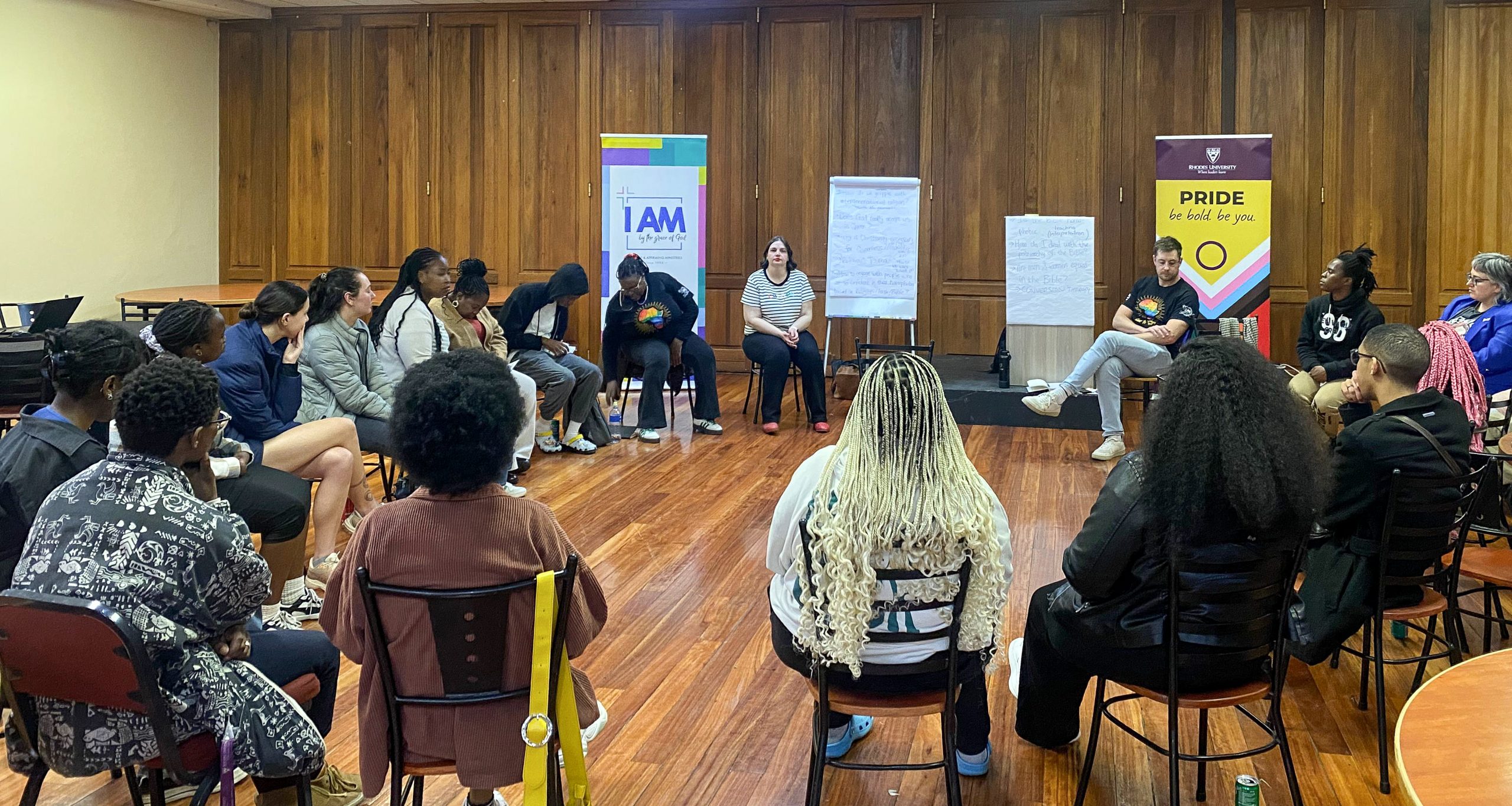
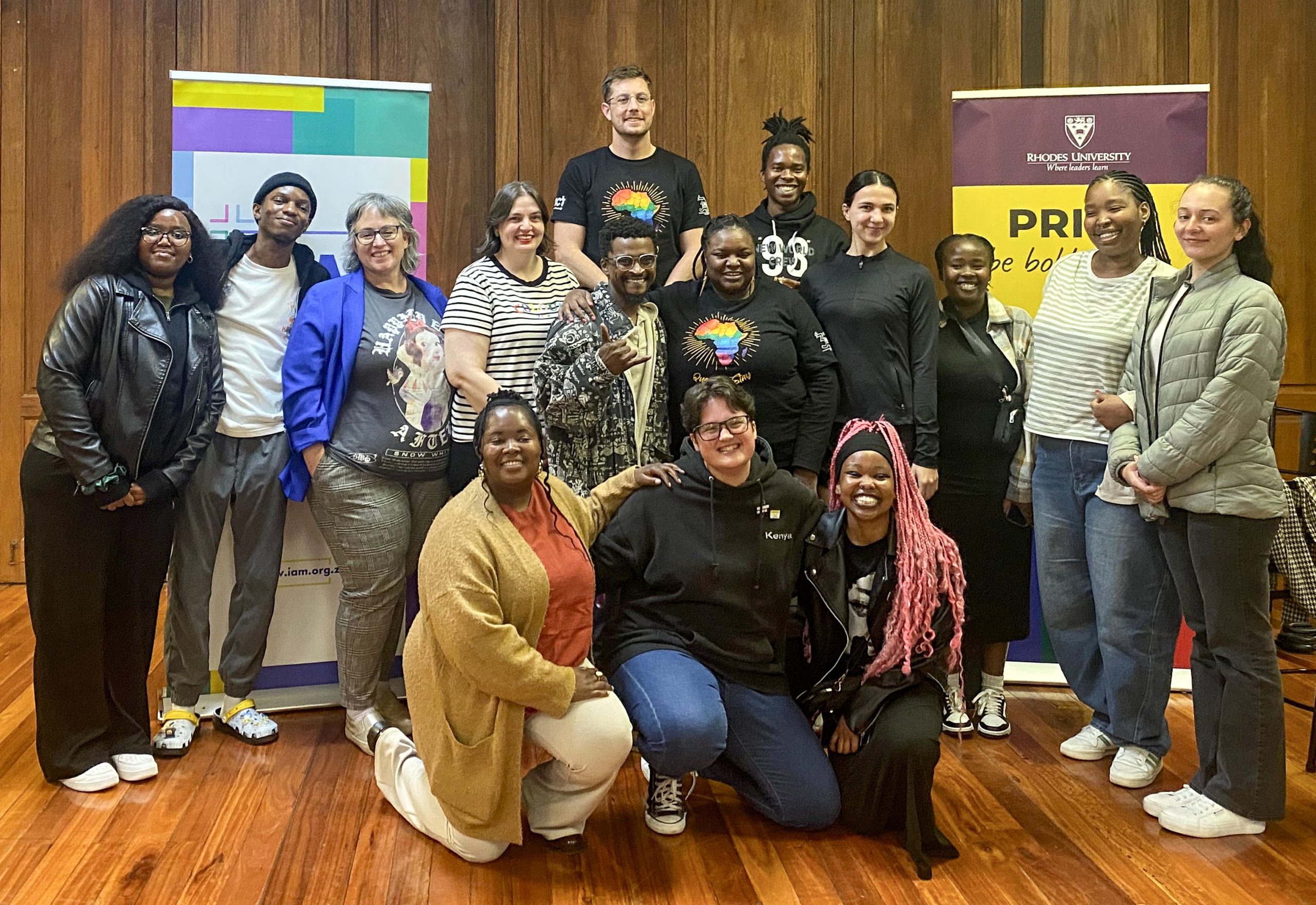
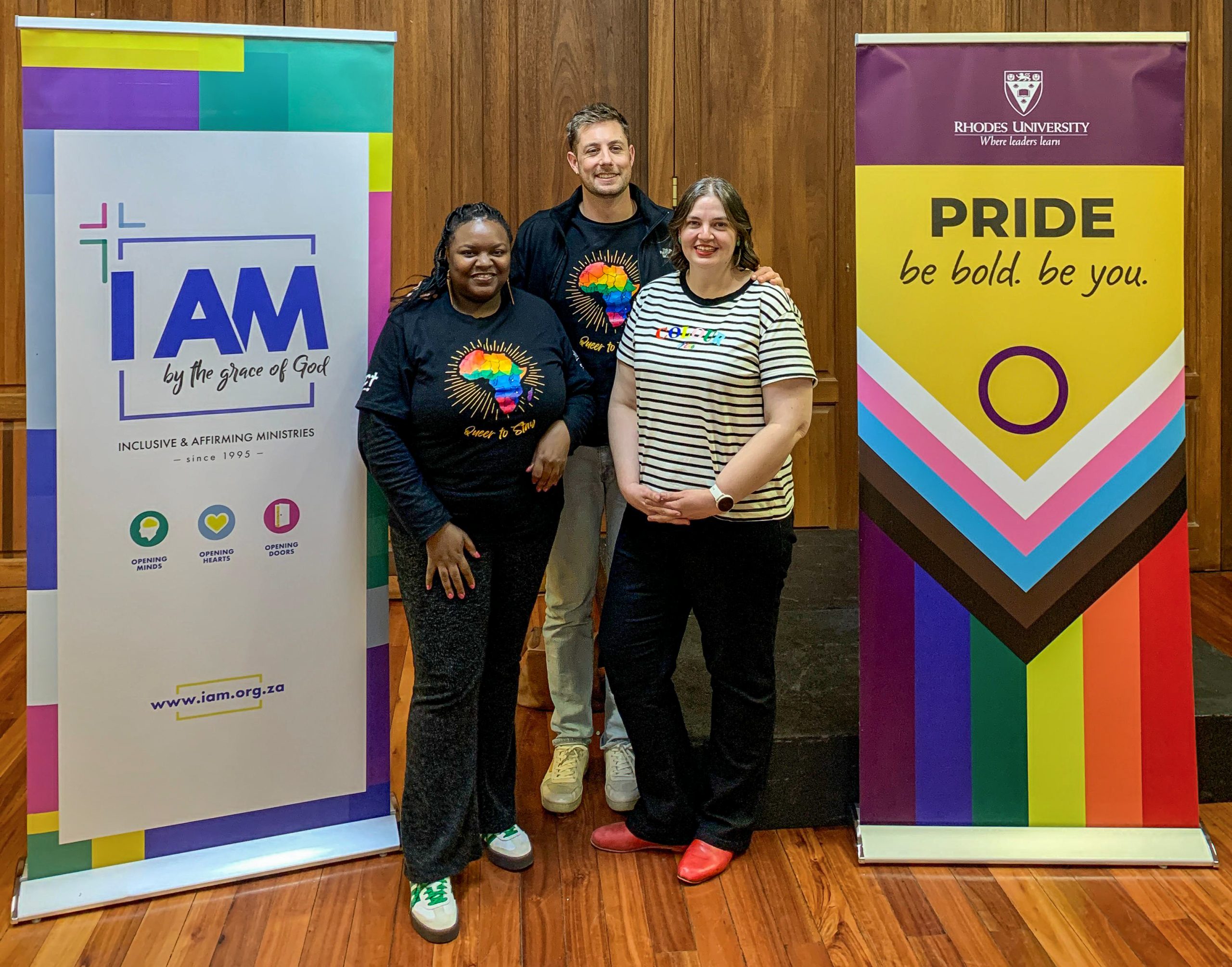
Stressing that everyone in the room was a co-creator of the space, as opposed to passive attendees waiting to be preached at, Bianca Truter-Botha, Maureen Majola, and Louis van der Riet of IAM conducted the dialogue with an openness that encouraged everyone to be comfortable sharing their thoughts and personal journeys.
The term ‘safe space’ might have lost its appeal by now, but that is precisely what the dialogue offered. A safe, affirming, and open-minded space for queer people to discuss what it means to practice not only Christianity but other faith-based religions without feeling that their identity is incongruent with their faith.
The common points of discussion centred on how to reconcile faith with queerness, and confronting the “church hurt” that has caused many queer people to flee the church.
Majola said that it is crucial for queer people to be equipped with the tools to reconcile their faith with their queerness because “we live in a society that is governed by faith and a lot of [queer people]love the faith”. Queer people who love the faith should be given the tools that help them reach a point of confidence in taking up space in faith-based spaces as openly queer people.