





By Gremma Matiwa and Brianna Msiza
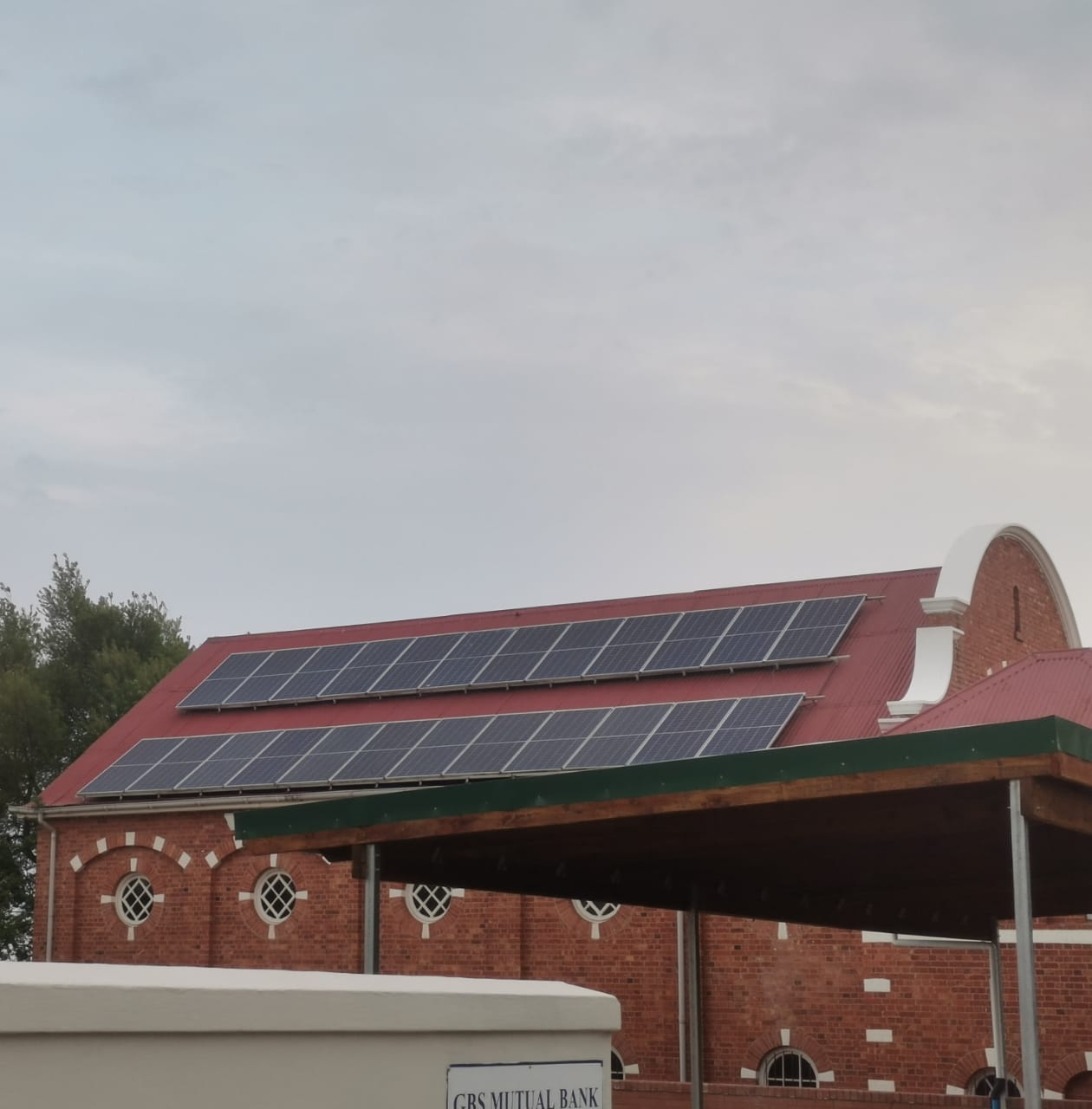
In recent years the daily prevalence of electricity outages because of Eskom’s inability to supply enough power for the country, and Makana’s faltering infrastructure and cable theft, have meant that many people have resorted to installing “small-scale embedded generators” in order to have a constant and reliable source of power.
Now Makana Municipality has begun a process to make sure that residents and businesses who have installed solar power — or who are planning to — are brought within a compliance system that is in line with SA Local Government Association (Salga) and the Association of Municipal Electricity Utilities (AMEU) regulations.
That Makana Municipality was sending out inspectors to ascertain where property owners had installed solar, became known when a person working for Dr Dittmar Eichhoff encountered an inspector on his property. This led to a number of questions about compliance, application and registration in the Ward 4 WhatsApp group.
Responding to Grocott’s Mail queries, Johnson Siteto, Municipal Energy Manager, pointed out that since 2023 the municipality has required those who want to install solar to apply first before doing so. Grocott’s Mail’s reporters were present at a meeting between Eichhoff, Siteto and Ed Everton of East Cape Electrical, a company which has carried out many of the installations in Makhanda.
The first important issue to note is that if a property is connected to Eskom then the system must be registered with Eskom. If a property receives electricity from Makana then the system must be registered with Makana. The installation must be done by an electrical company with a certificate of compliance (CoC) and the installer must do the application on the SSEG Online Application Portal.
The requirements for installing embedded electricity generation for Makana and further information on solar generation is available on this municipal website page.
Siteto also mentioned that the Makana Municipality is putting in place a framework for residents with solar systems to, in the near future, be able to feed excess power generated by their solar systems back into the grid. (Queries may be directed to Siteto at either 046 6036145 or JohnsonSiteto@makana.gov.za)
So what is the process for those who have already installed systems without having applied first? Siteto said: “For those who have already installed it, let’s try to correct things. Advisably, switch off the installation.”
In Makhanda, East Cape Electrical has done 20 solar system installations in the past six months. Everton said, “The municipality has certain stipulations that need to happen for a person to connect a small-scale embedded generator to the network.” He emphasised that the regulations and bylaws are there as safety precautions, for the homeowner, the municipal workers, and the municipal network.
“Homeowners need to do due diligence to make sure that the contractor coming in is valid, that the work they’re doing is what it is, and that the registration processes work in tandem,” Everton said.
Michael Mattison of East Cape Electrical said that homeowners and businesses that use backup generators (not solar) must also register and comply with the municipality’s bylaws.
“If you didn’t register, then you are liable for quite a hefty fine,” said Eichhoff said. “It’s just a matter of having clarity, knowing what our responsibilities as citizens and residents are. I have no problem with doing what I need to do to be compliant, but then we expect the same from our local authorities and from our government authorities.”

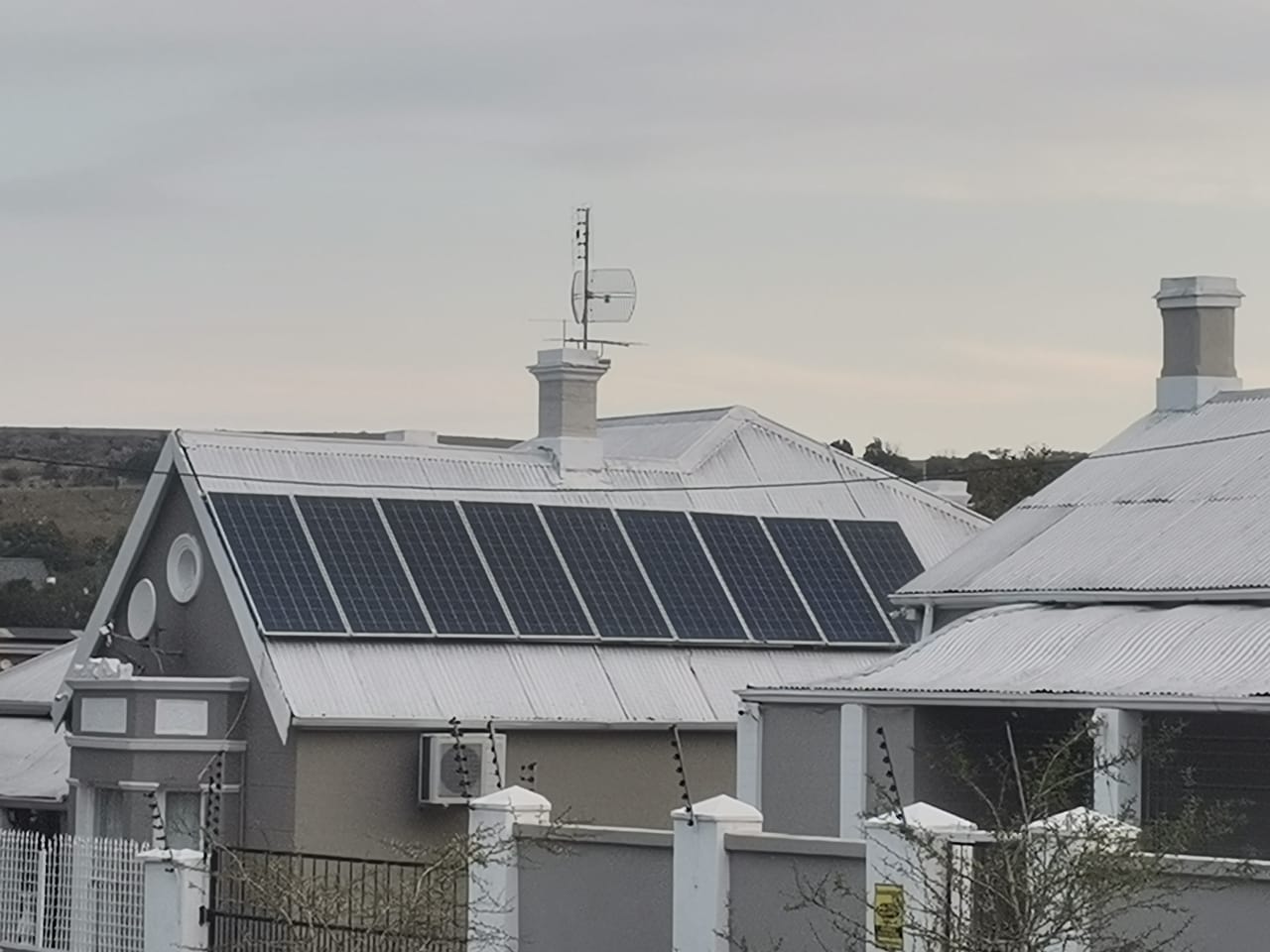
The prolonged energy crisis in the country has meant that South Africans have turned to solar to meet the demand for reliable power. There are approximately 137 000 homes with solar in South Africa and the number of installations is increasing at about 1 000 per month.

