





By Uvile Soci
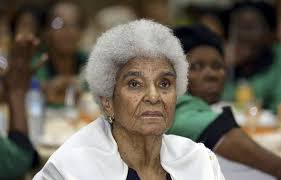
Rhodes University hosted the Ruth Mompati Centenary lecture, a webinar event organised by the Department of Political & International Studies, to mark what would have been the centenary year since the birth of anti-apartheid activist and women’s rights leader, Dr Ruth Segomotsi Mompati.
Hosted at the Ruth Mompati Seminar Room, the room was filled with students and lecturers from the Politics department and beyond.
The event was led by a distinguished panel of people who were close to Dr Mompati, including former Minister of Human Settlements Lindiwe Sisulu, ambassador Thenjiwe Mtintso, author of Mompati’s biography Mme Ruth Mompati: A Life of Courage and Service, Mongane Serote and her granddaughter Buhle Ngaba. Facilitated by Prof Siphokazi Magadla of the Politics department, the lecture began with a video detailing Mompati’s life and her dedication to the fight against the apartheid regime.
Born in 1925 in Khanyesa, North West Province, Ruth Mompati rose to prominence as one of South Africa’s most fearless activists. Serote commented on her childhood saying, “although she was raised in a very conservative home and background, her interest in politics strongly developed in her late teenage years.”
Mompati played a leading role in the 1952 Defiance Campaign, was a founding member of the Federation of South African Women (FEDSAW), and helped organise the historic 1956 Women’s March to the Union Buildings. Her political career stretched into exile, where she represented the ANC abroad, and later into government, where she served as a Member of Parliament and ambassador. Throughout her life, she remained steadfast in her fight for freedom, gender equality, and democracy.
When speaking of the her grandmother, Ngaba details how Mompati always prioritised helping those in need, “as children, we were so annoyed that Mme used to take half the food we spent all day cooking, and go give it to hospice patients. But she instilled in us the spirit of selflessness and giving to those who were less fortunate. We only understood it later in our adult years”.
Sisulu spoke on the maternal role Mompati played in her life in her years in exile in England. “Although I knew we weren’t biologically related, she never made me feel like it. I was no different than her other children. After all those years away from South Africa, I always had my piece of home in her,” she said.
Mompati’s deep commitment to justice, her insistence on women’s central role in the liberation movement, and her ability to challenge the intersections of race, class, and gender oppression.
Sisulu posed the question of how South Africans today can draw strength from Mompati’s example to address persistent social and political challenges and emphasised that her courage and determination remain as urgent now as they were during the apartheid era, “many of the youth take for granted of the rights that they have today due to people like Mme Mompati. It is so important for the youth to continue these conversations, as we are far from achieving what women like Mompati aspired to achieve in this country,” she said.

