


By ‘Maleruo Leponesa
This heritage month, Makana Tourism has embarked on a strategy of communicating to local people how many hidden gems there are to explore and discover which are right under their noses. Prudence Mini, the acting director, says “Many people living in and around Makhanda don’t know what’s available within five to 20km of their homes. There are rural gems — game farms, historic villages, natural sites — that they’ve never visited.”
Building up to Makana Tourism’s AGM, Mini says the strategy is to: create platforms for participation, awareness, and pride; build a consistent narrative about Makhanda and its surrounding villages, encourage people to fall in love with local places and educate the community on what tourism really means and why everyone has a role.
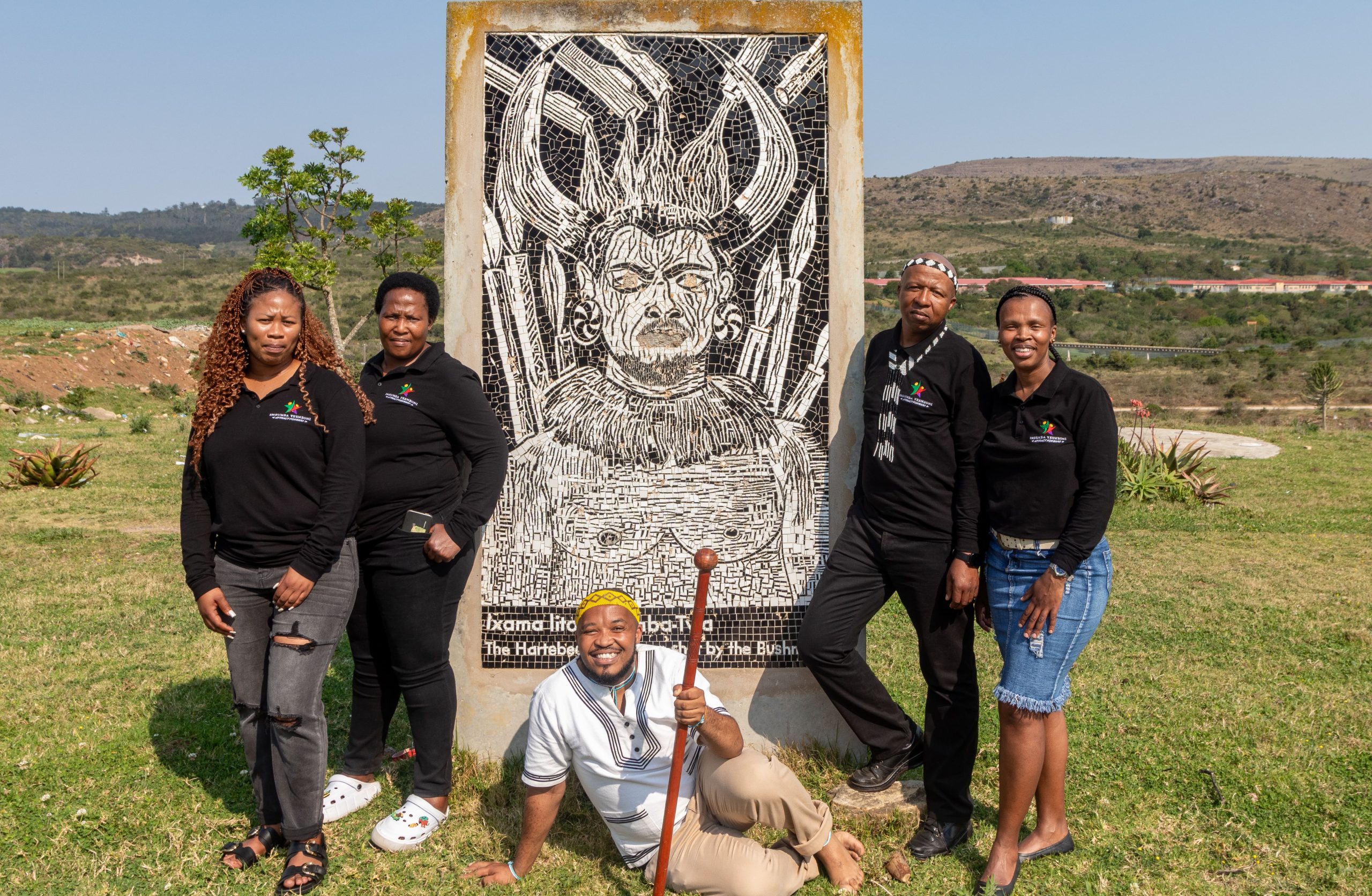
This week Imbumba Yeemboni took Grocott’s Mail on a historical tour to uncover some of Makhanda’s hidden treasures. These were the sites the visit included:
Egazini Memorial Heritage Site: This is the site where Xhosa warriors fought against British soldiers in an attempt to reclaim their land. The war was led by Makhanda, Ndlambe, and several traditional chiefs including King Hintsa. The Xhosa warriors suffered heavy losses in the cannon attacks launched by the British. The very ground where these warriors fell and spilled their blood is now known as the Egazini Heritage Site.
Lobengula Graves @ Luvuyo Hall: King Lobengula, son of Mzilikazi and the last ruler of the Ndebele kingdom, reigned from 1870 until his mysterious death in 1894. His leadership was marked by strength, diplomacy, and resistance in the face of growing British colonial aggression. In 1888, he signed the controversial Rudd Concession, unknowingly granting extensive mining rights to Cecil Rhodes’ British South Africa Company. This led to the First Matabele War (1893–1894), during which British forces, using superior weaponry, defeated the Ndebele. As his kingdom fell, Lobengula fled north, ordering the burning of his capital, Bulawayo, to prevent it from falling into British hands. His exact fate remains uncertain; most believe he died from an illness, likely smallpox, while others suggest he died in exile among the Ngoni people in present-day Zambia. His death marked the end of the Ndebele monarchy, but his legacy of resistance inspired future uprisings, including the First Chimurenga (1896–1897).
Although Lobengula is not believed to have reached the Eastern Cape himself, oral history and local belief suggest that some of his descendants or loyal followers journeyed south after the fall of Matabeleland, eventually settling in Makhanda. The graves near Luvuyo Hall, often referred to as the Lobengula Graves, are believed to belong to members of his royal lineage or loyal companions. These graves serve as a powerful reminder that the effects of colonial conquest were not confined to borders — they spread across regions, connecting distant communities through shared stories of displacement, resistance, and survival. In honouring these graves, Makhanda acknowledges its place in a larger African narrative, one that stretches beyond provincial history into the broader struggle against imperialism.
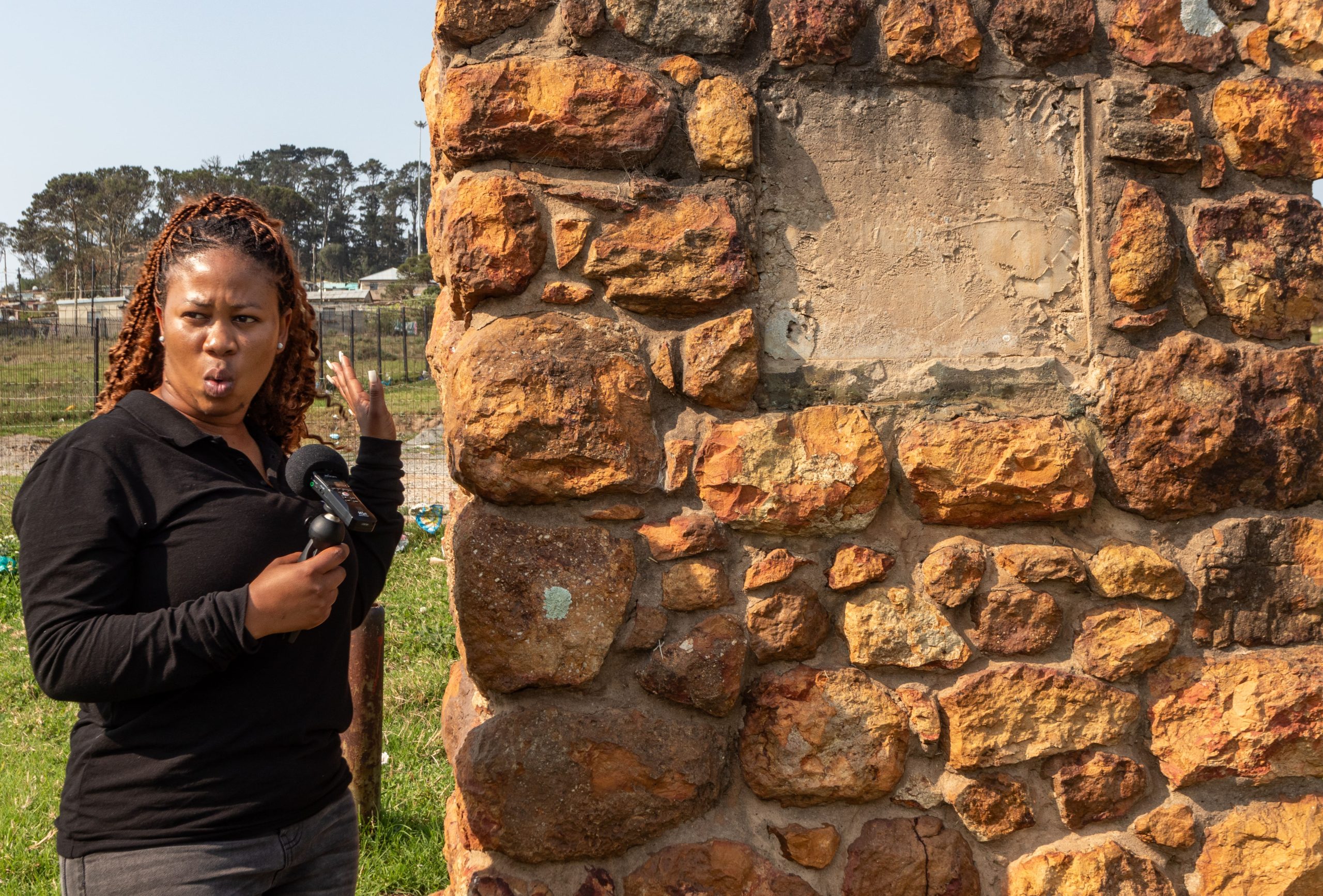
Ukuza kukaNxele Stone: Makhanda kaNxele was a prominent figure in the Xhosa community — a prophet, a respected negotiator, and a leader. His words were regarded as truth by his people. After surrendering during the Egazini War, he initiated peace negotiations. However, he was captured and imprisoned on Robben Island. Upon capture, he famously proclaimed that he would return. In commemoration of this declaration, a symbolic stone was erected: “Ukuza kukaNxele” — The return of Nxele”.
Mount Zion/Intaba YeZono: This mountain was once a sacred place where elder Christian women would go to pray during droughts, seeking divine intervention for rain. It’s said that after their prayers, rain would begin to fall as they descended the mountain. Over time, however, the site became misused and gained a reputation for being a place where people went to end their lives. The name was thus misinterpreted as Intaba YeZono, meaning Mountain of Sin.
Egazini Extension 6: During apartheid, this building was used as a site where local cadres were detained and tortured for information. Family members were also targeted in efforts to extract intelligence about freedom fighters. Today, the space serves a new purpose: it hosts an ABET Centre (Adult Basic Education and Training) that provides literacy classes to pensioners. A ceramics and pottery project also operates in one of the buildings, giving the place new life and purpose.
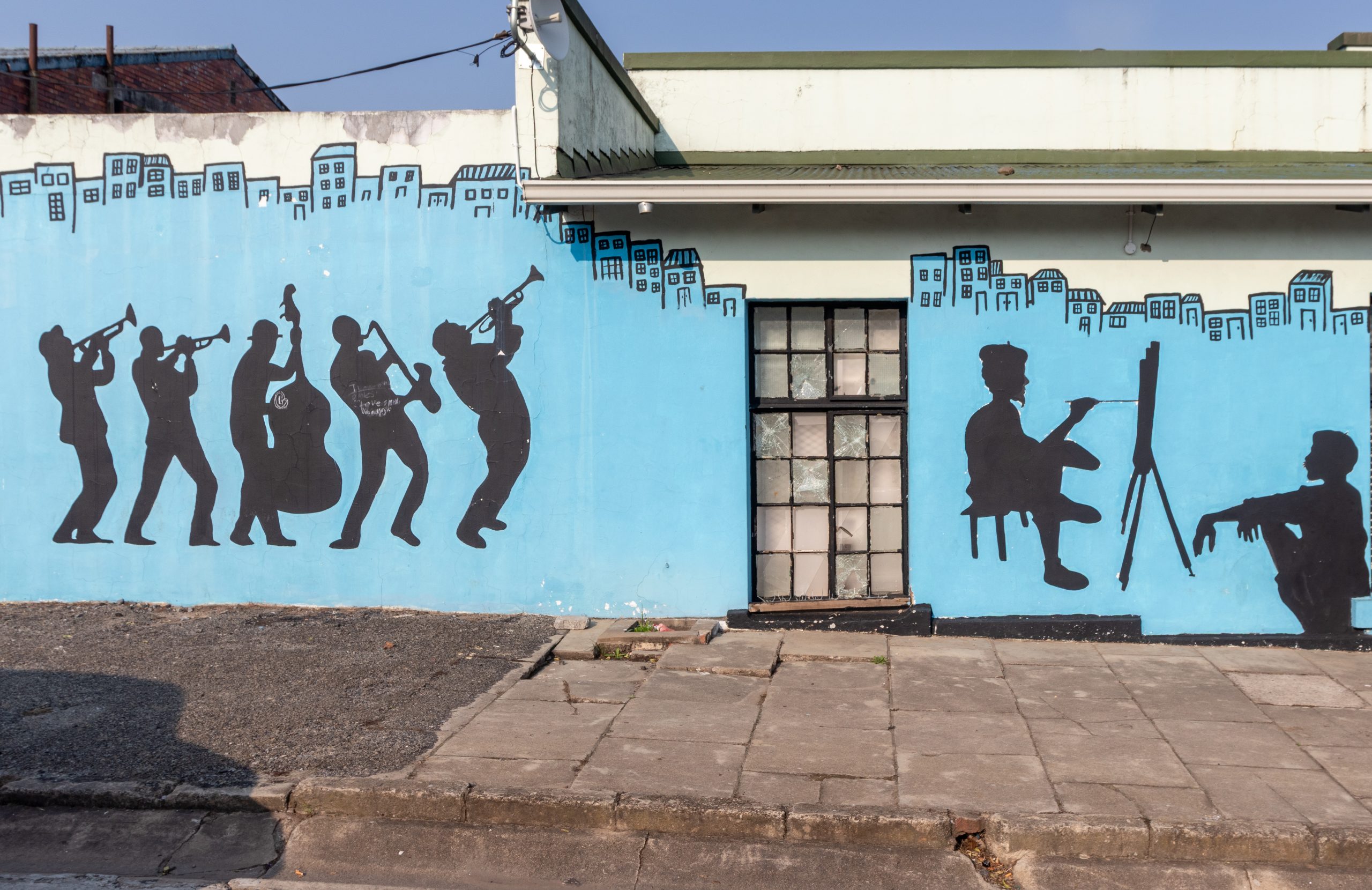
Dakawa Arts Centre: Originally established in Tanzania, Dakawa was a sanctuary for exiled cadres — a place to debrief and express themselves through art. After apartheid ended, the vision was brought home. Makhanda was chosen as the site for the South African Dakawa Arts Centre, with the hope that it would uplift the town’s economy and that of the Eastern Cape. Today, Dakawa remains a vibrant creative hub. It hosts the Stitch Lab — a design and sewing initiative — as well as ceramics, painting, and performance arts projects. It continues to serve as a home for artistic expression and economic opportunity.
- Imbumba Yeemboni is an organisation that uses tourism to improve the well-being of Makhanda residents — especially the youth — by promoting a consciousness of history, heritage, and culture. The organisation is developing a tourist route that recognises, maps and celebrates the heritage and historical sites in the eastern part of Makhanda.
