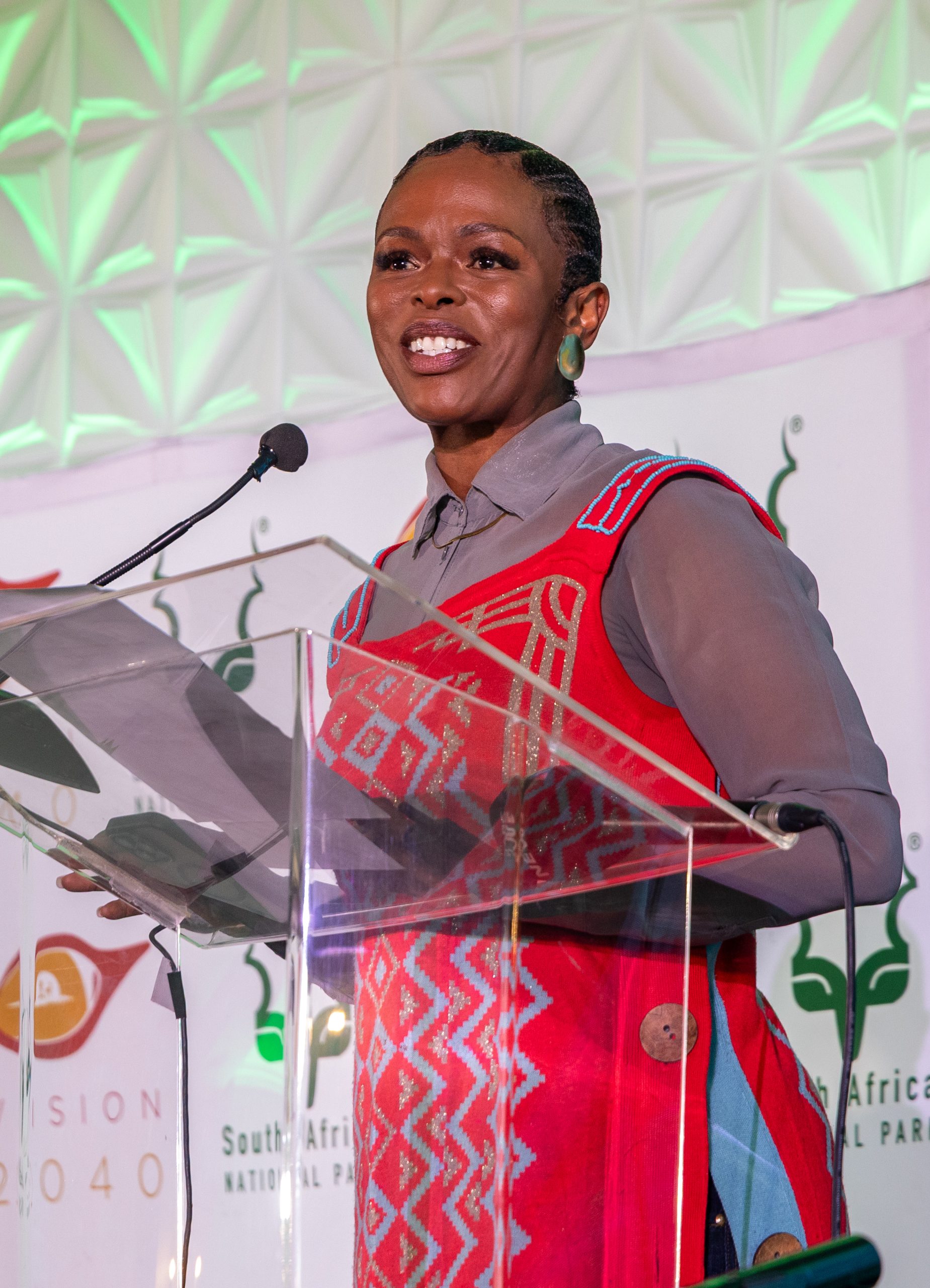
South African National Parks (SANParks) is setting a new course for conservation, moving beyond the traditional “islands” of protected areas to an inclusive, people-centered approach. The new strategy, Vision 2040, themed “People in Harmony with Nature Championing Prosperity”, was officially launched at a three-day indaba in Nelson Mandela Bay last week. The conference, which coincided with Heritage Month, brought together political leaders, conservationists, and community members to discuss the future of South Africa’s natural heritage. Media personality Unathi Nkayi opened the event with a powerful call to action: “We cannot expect the rest of the world to protect and look after our heritage if we don’t.” Chalotte Mokonyane reports.

A bold new vision for conservation
Vision 2040 is described as a fundamental shift in conservation, aiming to balance three core pillars: biodiversity conservation, social justice, and economic empowerment. SANParks chair Pam Yako likened the vision to a quote from former Liberian President Ellen Johnson Sirleaf: “The size of the dreams must always exceed your current capacity to achieve them.” Yako acknowledged the plan is ambitious, even “scary” but insisted it’s not unconquerable with collective support.
The new model focuses on Mega Living Landscapes, which are large, integrated areas that connect national parks with surrounding communities, ecosystems, and economic activities. This approach is designed to ensure that local communities, especially those historically excluded, benefit directly from conservation.

Eastern Cape as a “living laboratory”
The Eastern Cape is at the heart of this new strategy, with two of the four initial Mega Living Landscapes identified within its borders: the Greater Addo and the Greater Grasslands landscapes.
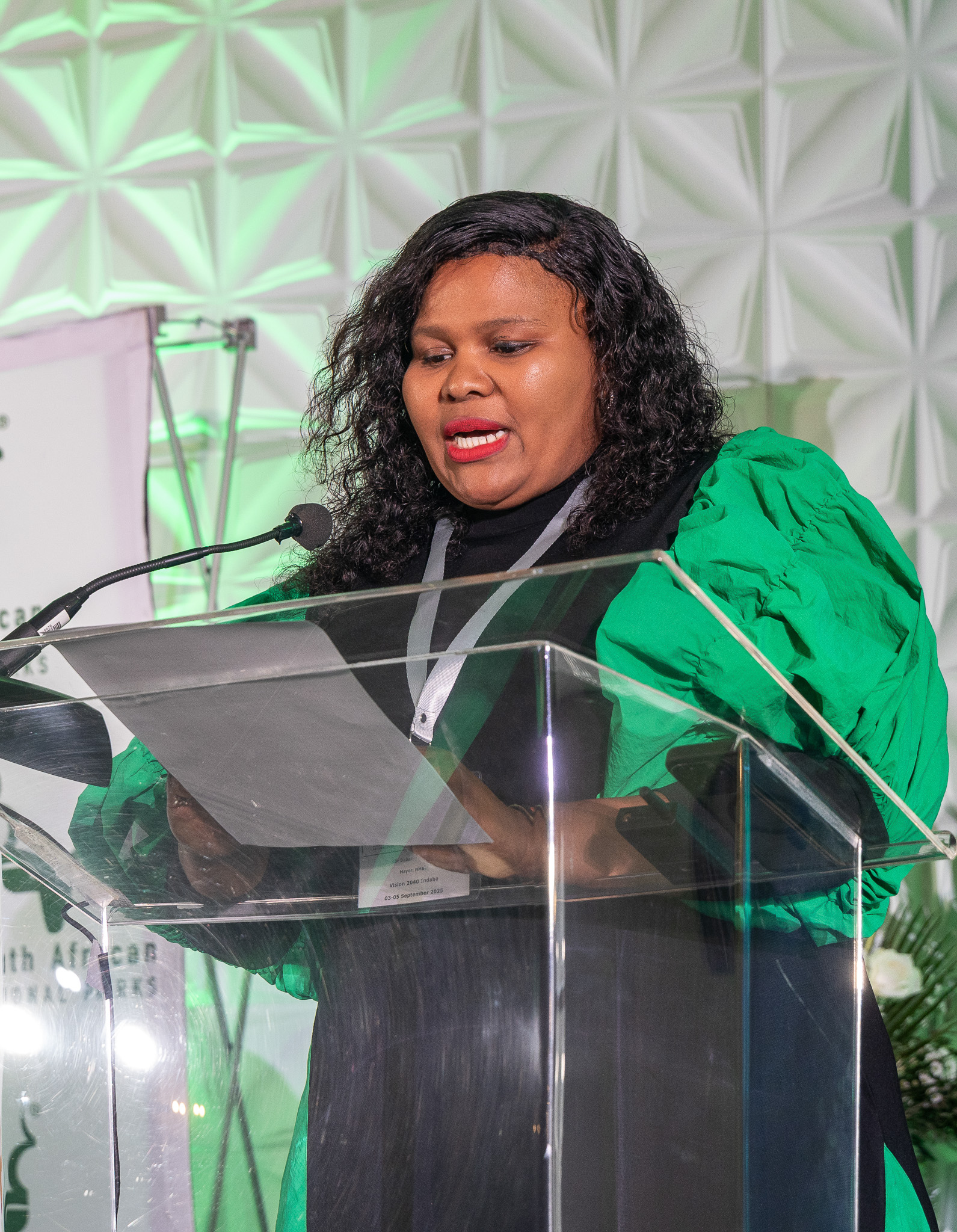
Nelson Mandela Municipality Mayor Babalwa Lobishe expressed her city’s pride in hosting the “historic event”. She emphasised that the vision aims to transform national parks from mere refuges into living spaces that contribute to economic development, community empowerment, and sustainable tourism. Lobishe hopes the indaba will be remembered as a “turning point” for conservation in South Africa.

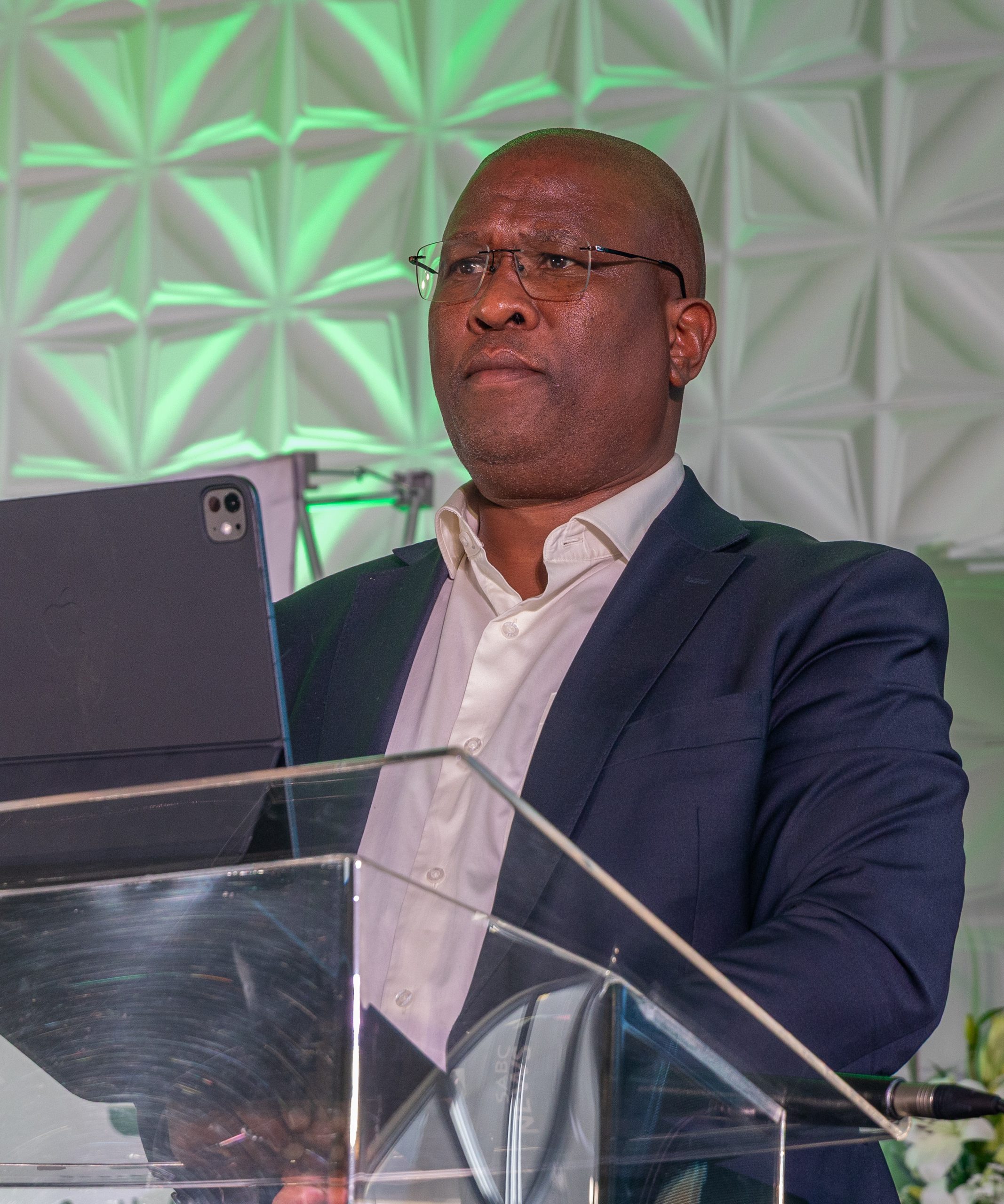
Eastern Cape Premier Oscar Mabuyane called the province a “living laboratory of sustainable development” in this new approach. He noted that the Eastern Cape is unique in that it contains all seven of South Africa’s natural biomes but also faces significant socio-economic challenges. Mabuyane stressed that conservation should not be a barrier to economic growth but a catalyst for it, particularly through the green economy. This includes opportunities in renewable energy, sustainable agriculture, ecotourism, and the responsible extraction of rare earth minerals.

Progress and the path forward
The Minister of Forestry, Fisheries, and the Environment Dr Dion George highlighted the significant progress made in the first year of Vision 2040’s implementation. He underscored the importance of an integrated approach that connects environmental protection with human well-being.
Key achievements outlined by the minister include:
- Fighting wildlife crime: new technologies like drones, GPS tracking, and strengthened partnerships with law enforcement are supporting rangers, whom George called the “true custodians of our heritage”.
- The KISS strategy: the Kruger, iSimangaliso, and Kirstenbosch (KISS) strategy aims to elevate these national icons into global leaders for conservation and inclusive tourism. The minister noted that a revised national biodiversity strategy could unlock 397 000 jobs and inject R127 billion into the economy annually by 2036.
- Rhino renaissance: the campaign, which includes the training and deployment of community members as rhino monitors is a prime example of integrated conservation in action showing that local knowledge and skills can support anti-poaching efforts.
- Kgodumodumo Dinosaur Interpretation Centre: located in Golden Gate Highlands National Park this centre links science with cultural heritage, integrating education, tourism, and community empowerment.
- Global leadership: South Africa’s G20 presidency has provided a platform to showcase its model of integrated conservation to the world, positioning the country as a leader in linking biodiversity protection with sustainable development.

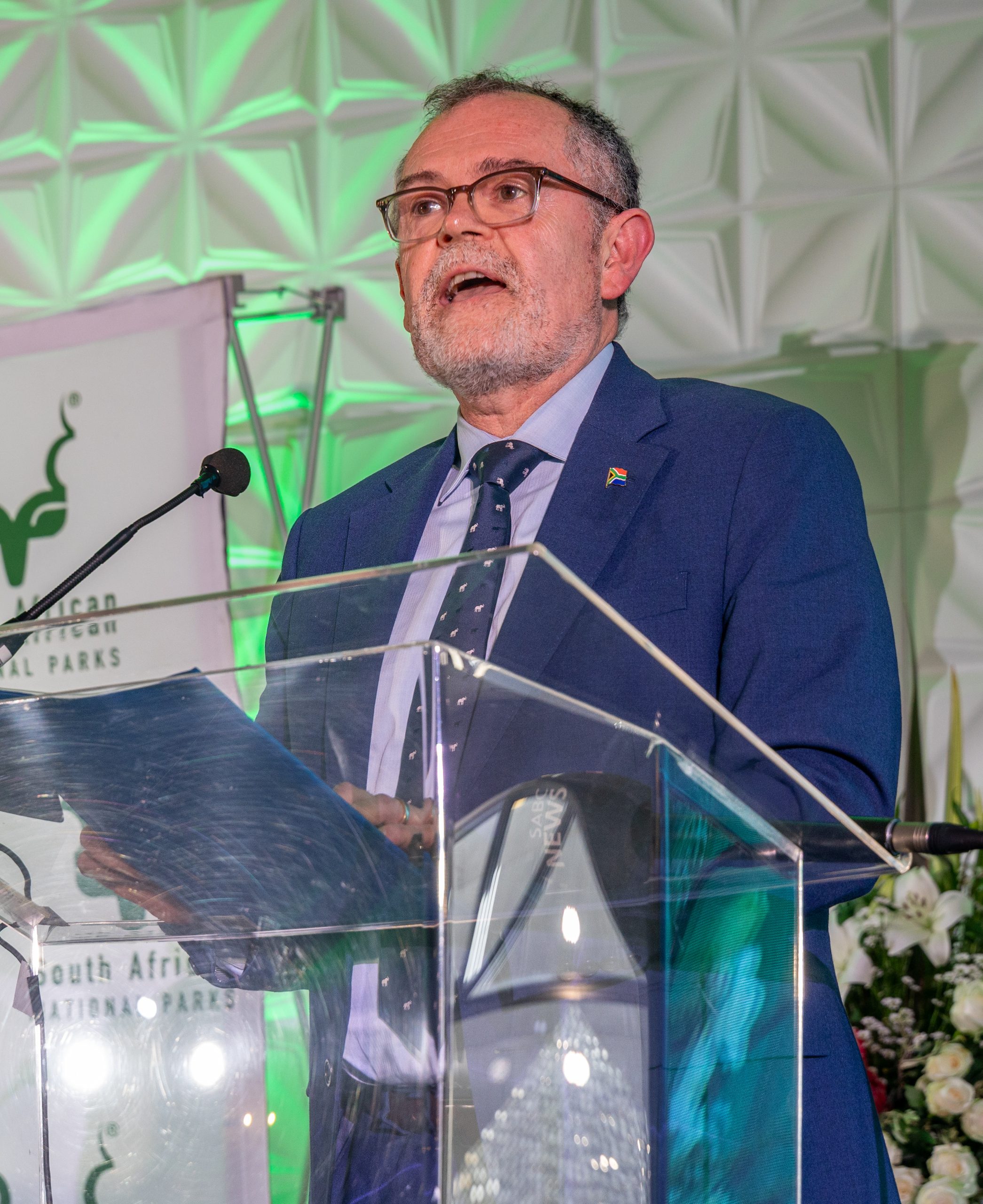
In closing, George called Vision 2040 a “clarion call for ambition, courage, and collaboration”. He pledged his department’s full support to ensure the vision becomes a “lived reality” for all South Africans, transforming conservation into a force for growth, jobs, and sustainability.