





By Benevolence Mazhinji
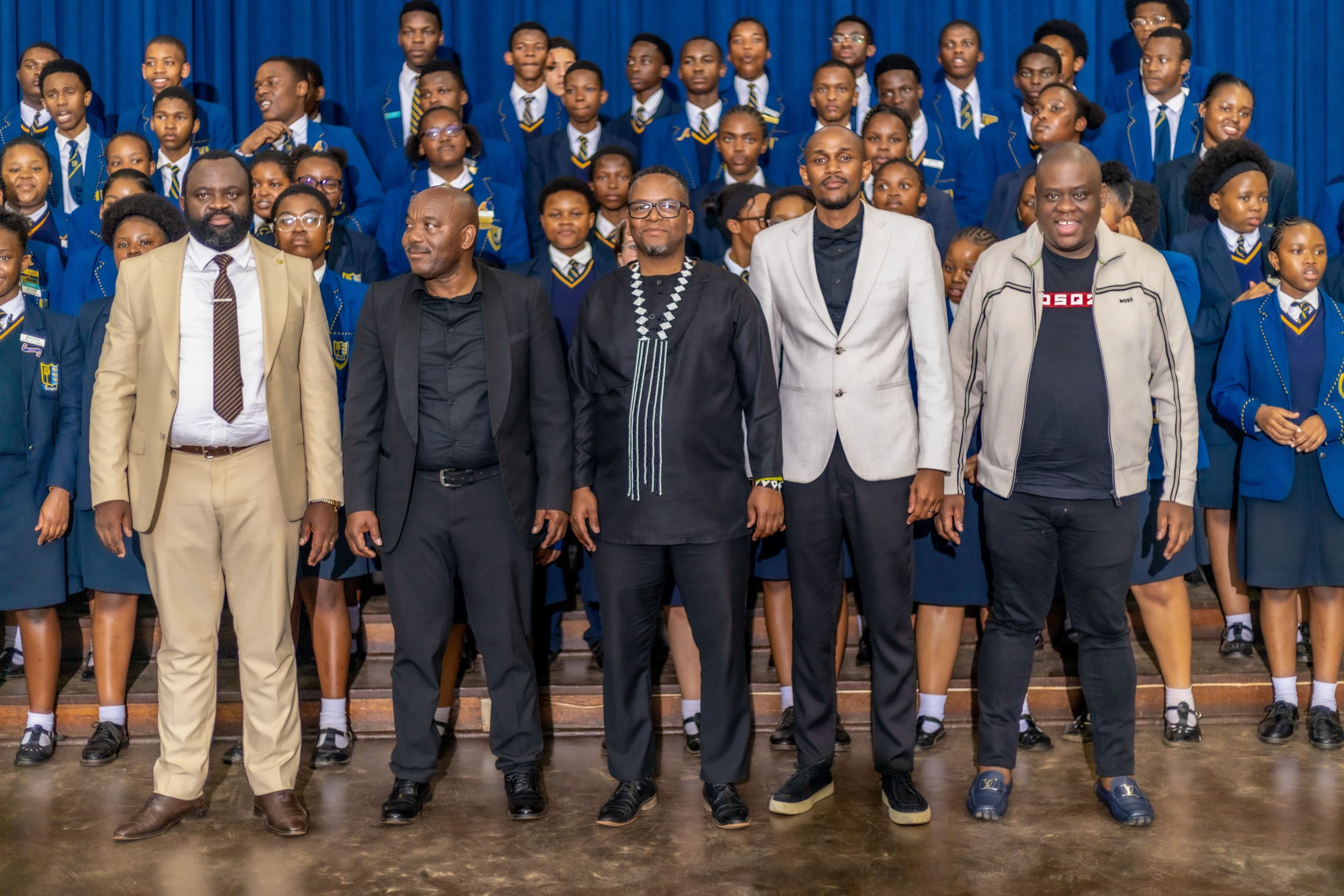
After months of intense practice and preparation, the Rhodes University Chamber Choir set off in mid-August on a week-long journey across KwaZulu-Natal, filling up four buses to travel hundreds of kilometers to the northernmost parts of the province.
This was not an ordinary musical tour. It was a journey of commitment, taking music beyond the concert stage into classrooms, township halls, and rural communities with limited opportunities to nurture the arts. Composer and choral conductor Sibusiso Njeza said that the objective of the tour was about laying the groundwork for future choirs and opening spaces for young people to discover their voices.
He said that, even though they worked with township schools where music departments are often under-resourced and overlooked, the learners’ excitement and insatiable thirst for knowledge electrified every meeting they had. The very first workshop, hosted by Bongucele High School in Mthwalume, drew such a large crowd they had to find a different venue. Classes were even suspended because the whole school wanted to be part of that session. “I was like, how am I going to handle this?” said Mr Njeza, “I didn’t know what to do because suddenly, whatever I had prepared, no longer had space. I had to re-engineer my presentation and my plan so that it could actually accommodate what was happening on the spot.” This revealed the fact that there is still a longing to celebrate and be part of musical creativity.
The choir tailored workshop sessions according to what each school needed. For example, some rural schools had conductors who are skilled singers but needed more experience in directing a choir and analysing a musical score. The aim was to equip the music teachers and conductors with practical skills on managing rehearsals, performances, as well as interpreting music in a way that engages audiences. In contrast, the choir’s work with more affluent schools with well-established music departments took a different approach. They had ‘choir talks’ with these schools, where university students shared their experiences as students and choir members. This gave the learners a glimpse into life at university and the opportunities that lay ahead, particularly for grade 12 learners who were preparing to make the transition.
For choir member Rorisang Mashau, this tour was a milestone. She said, “I’ve been part of choirs before, but I had never been on tour, and I feel privileged to have been part of it.” She explained that their role as choir members was to offer support to the learners and cultivate a space for them to learn and make mistakes without being frightened.
While the logistics and emotions of the tour stood out, music remained the foundation of this journey. The RUCC repertoire carried layers of history, testimony and hope. Songs such as Indodana and Baba Yethu are sacred African rhythms that ground the choir’s performances in their own spiritual and cultural roots. They also included international works by John Rutter and Philip Stopford, to remind their audiences that the beauty and dignity of music cannot be confined to a continent, it is limitless and transcendent. Njeza said that the repertoire was not about showcasing technical skill. The songs were meant to “speak into the real conditions of the communities that we were working with”,
Some of the retired teachers and principals who attended workshops said they had lost hope in real musical artistry, but that the choir’s visit rekindled their passion and motivated them to push for choirs to be revived in their schools.

