





By Gcina Ntsaluba
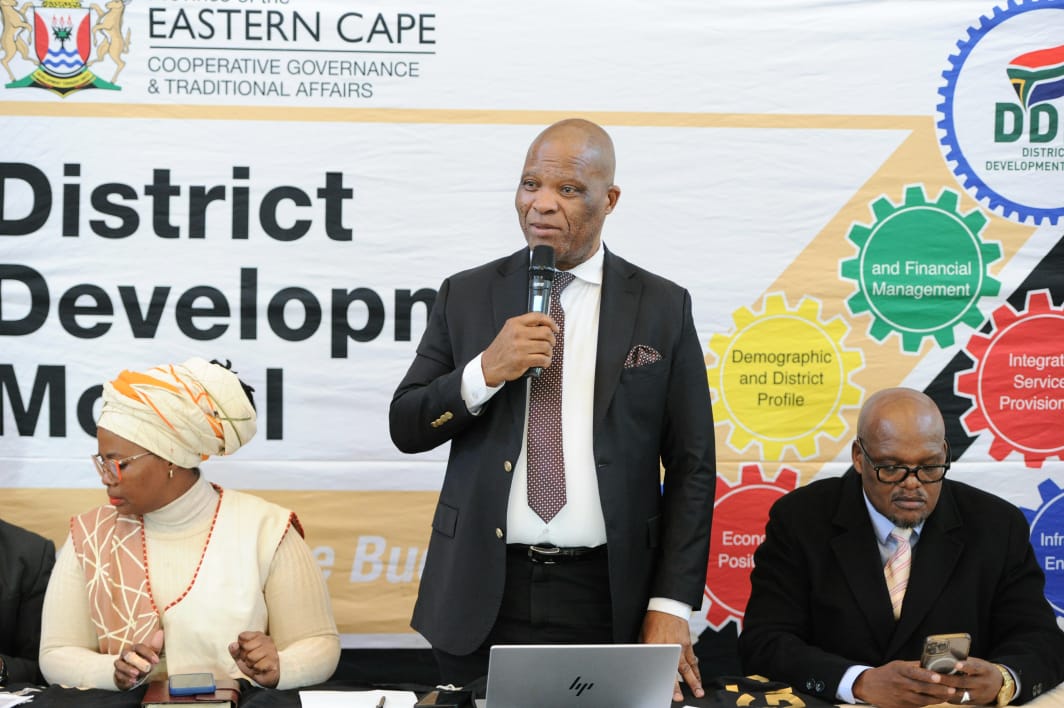
The Deputy Minister of Co-operative Governance and Traditional Affairs (Cogta) made a second intervention visit to the financially troubled Makana Municipality this week, expressing frustration that previous commitments for improvement have yielded little result.
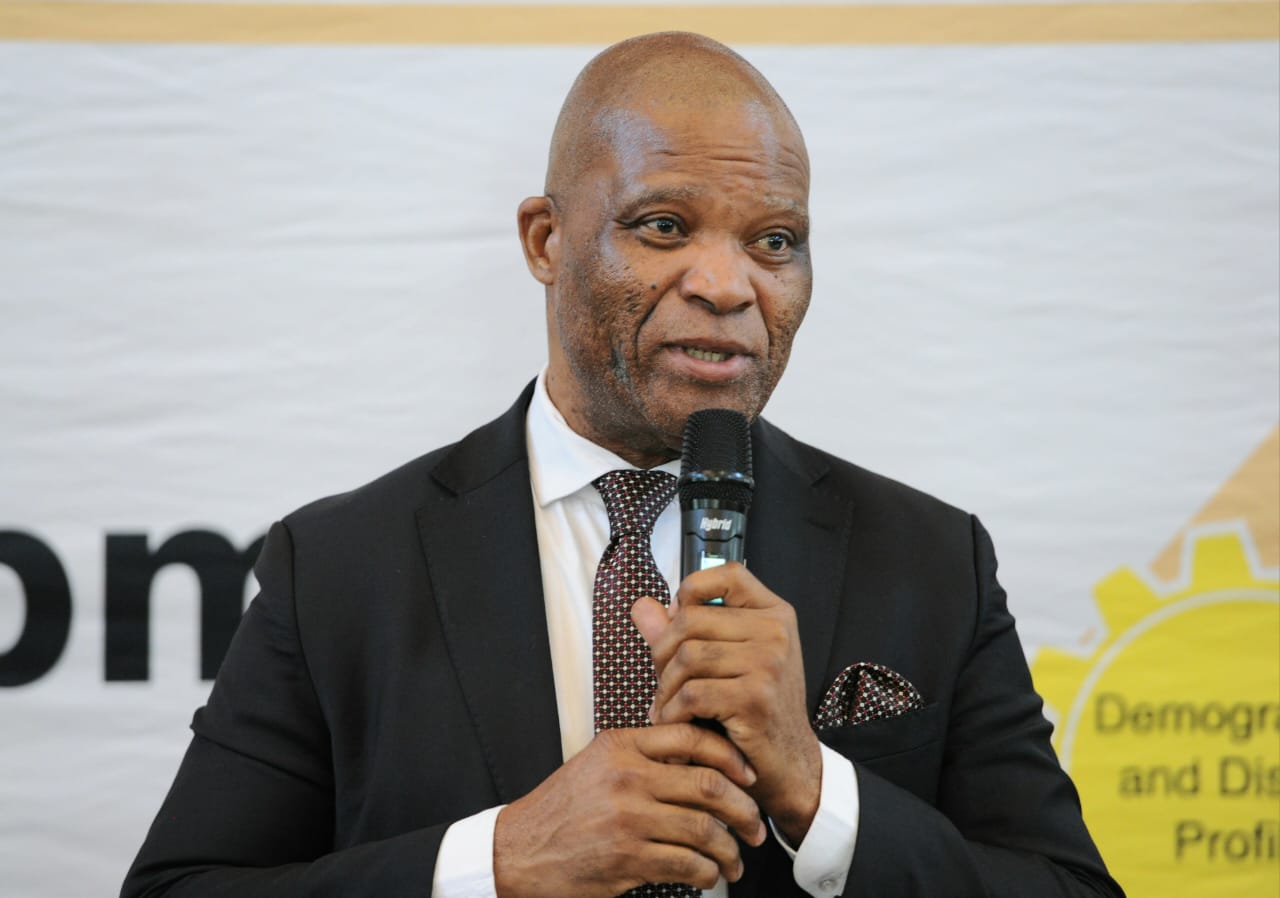
Speaking to councillors and municipal officials during an engagement session held at the City Hall yesterday, Dr Namane Dickson Masemola warned that the municipality’s reputation has been severely damaged by ongoing service delivery failures and financial mismanagement allegations.
“From far, it gives an impression that there is a municipality called Makana where money is eaten like chips. Colleagues have got an appetite for money,” the Deputy Minister said, referring to widespread social media posts criticising the municipality’s handling of public funds, including a recent R2.6 million controversy.
Second chance, same problems
The visit comes months after an initial intervention failed to produce tangible improvements. “The last time we were here, we did a lot of engagement and agreed on a particular process. What was even more worrying… a few weeks down the line, there was an article that says that despite provincial and national intervention, Makana remains the same. People are on their own,” Masemola said.
The municipality has become a focal point of concern for national leadership with the Deputy Minister revealing that Makana was specifically raised during a meeting with President Cyril Ramaphosa and Eastern Cape Premier Oscar Mabuyane in Nelson Mandela Bay.
Constitutional crisis warning
Masemola issued a stark warning to councillors that continued failures could expose them to legal action, emphasising that service delivery is a constitutional mandate, not a choice.
“When you give people services, it’s a basic human rights issue,” he explained, referencing Chapter 2 of the Constitution. “Many of our municipalities elsewhere in the country have been taken to the Human Rights Commission by citizens, and some municipal officials are in and out of courts.”
The Deputy Minister highlighted how service failures directly impact residents’ constitutional rights: “If there are no street lights, people are subjected to crime and criminality. If you can’t give them water, sewage is spilling all over, they are trampling on their health rights.”

Every municipality must work
This intervention forms part of the broader “Every municipality must work -– a call to collective action” initiative launched by Cogta Minister Velenkosini Hlabisa in May 2025. The program emerged from a comprehensive review of the 1998 White Paper on Local Government and aims to address systemic failures across South Africa’s municipal landscape.
The initiative calls for collaborative action between government, communities, and businesses to restore functionality to struggling councils, improve financial management, and accelerate service delivery in areas such as water provision, road maintenance, and waste collection.
Public participation focus
As part of promoting public participation and co-governance, the Deputy Minister held follow-up engagements with the Makana Concerned Citizens, a civic organisation that has been vocal about the municipality’s shortcomings.
Masemola emphasised that while national and provincial government can provide support through Section 154 of the Constitution, they cannot take over municipal functions. “We cannot take over the running of the city. It’s not our mandate to do that. We come here because the Constitution of the Republic of South Africa prescribes us to do so.”
Criminal elements suspected
Concerning allegations of criminality within municipal operations, the Deputy Minister questioned whether proper co-ordination with law enforcement agencies was taking place. “Have you ever had a discussion with the South African Police Services security cluster?” he asked, noting that while criminal analysis was mentioned in reports, concrete enforcement actions were unclear.
Call for accountability
Masemola concluded with a direct message to councillors about collective responsibility: “The failures or the problems of your administration to deal with these matters become your problems politically as councillors of the city. You are not absolved from the problems of the municipality.”
The intervention in Makana Municipality reflects broader challenges facing local government across South Africa, where weak financial management, poor service delivery, and governance failures have become endemic in many councils.
Makana Municipality has yet to respond publicly to the Deputy Minister’s latest intervention, but residents will be watching closely to see whether this second chance produces the reforms that have long been promised but never delivered.

