





By Karabo Matalajoe and Malebo Pheme
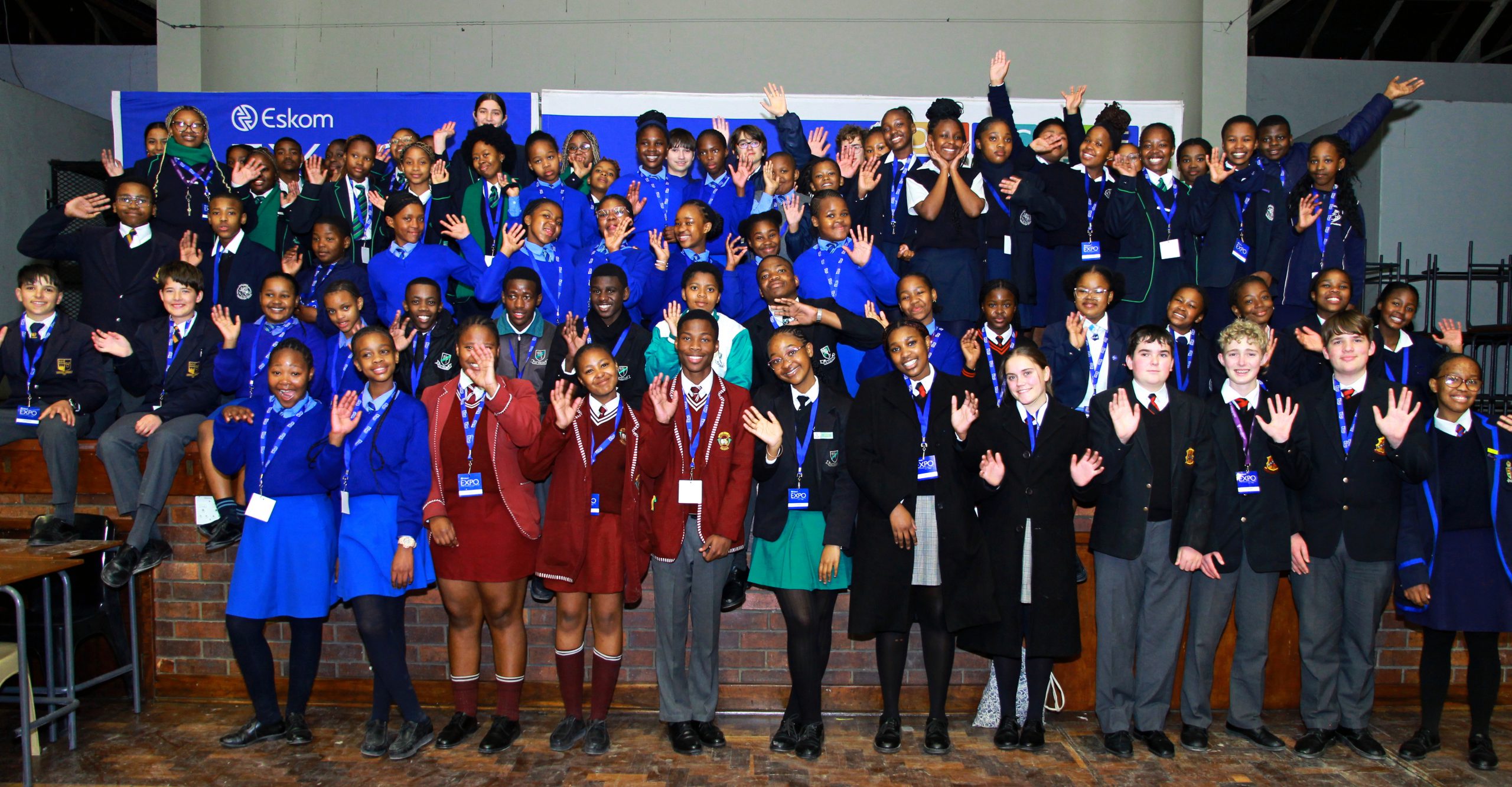
Young scientists across Makhanda came together to show that there is no age limit when it comes to being innovative at this year’s Eskom Expo for Young Scientists.
From primary school to high school learners, 74 young minds stood proudly beside their projects, explaining their work with the kind of excitement and confidence that gave many in the room a renewed sense of hope for the country’s future.
Whether it was turning trash into gas, growing crops or testing how sound affects mussels, the energy from inside the venue was electric. The popular project category this year was Plant Science and Social Science, showing how keen children are to finding solutions in food production, the environment and how people interact in their diverse spaces.
‘Science is for everyone’
More primary school learners were participants in this year’s fair compared to high schoolers, which is something that impressed the organisers. Nadia Czeredrecki, the Makhanda Regional Science Fair Director, said the passion from the younger participants was especially inspiring.
“It’s not just about winning medals,” she said. “It’s about giving young people a chance to explore ideas, challenge what they know, and discover the joy of science. We hope more schools, especially those who’ve never taken part will join us next year.”

Celebrating curiosity and excellence
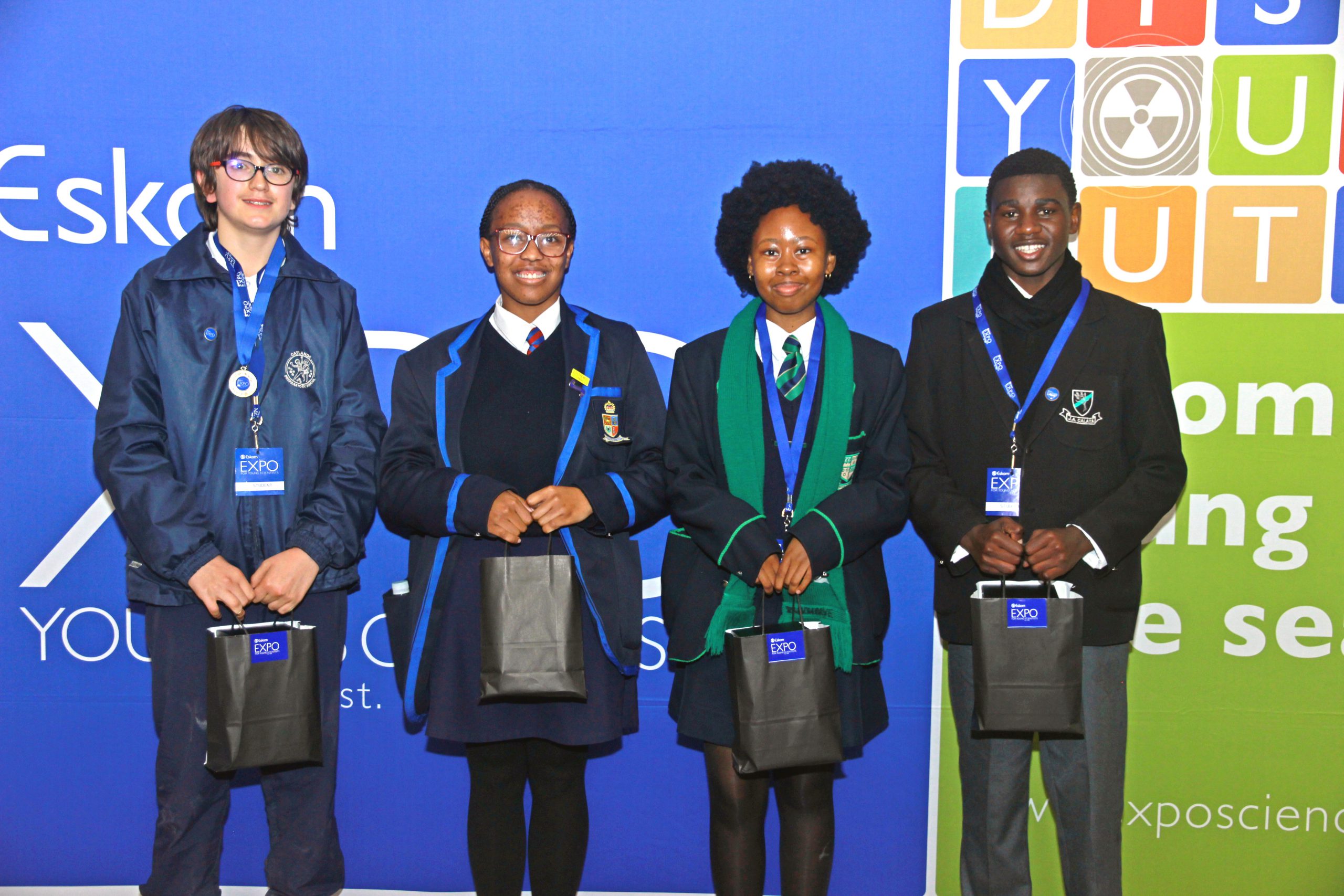
Medals and special prizes were awarded to learners who stood out for their creartivity, research and real-life impact. Five gold, 13 silver and 18 bronze medals were awarded and the pride on the learners faces said it all.
Top prizes sponsored by Eskom included Bluetooth speakers with wireless chargers. Some of the standout winners were:
- Buhle Diniso (Grade 12, Port Alfred High) was named Best Female Scientist for her study on vitamin C levels in lemon products — a project that combined health science with everyday relevance.
- Rodrigo Galantinho de Carvalho (Grade 7, Oatlands Prep) took home the Best Innovation award for testing different bridge structures to see which was strongest — inspired by his love of building and engineering.
- Zukhanye Ntlabati (Grade 10, Victoria Girls’ High) won Best Energy Project for “Trash to gas,” where she captured methane from waste to power a gas stove.
- Buhle Goniwe (Grade 11, JA Calata Secondary) was awarded Best Development Project for creating a simple yet effective hydroponic system using organic nutrients.
Big dreams backed by bursaries
Three learners were awarded Rhodes University bursaries for their outstanding work, which is a life changing opportunity for those who wish to study at Rhodes as scientists or engineers.
- Joshua Danilatos (Grade 10, Graeme College): his project on“catch and releas” fishing in warming waters earned him top honours and recognition as Top Performing Male Learner.
- Buhle Hlonela Goniwe (Grade 11, JA Calata SSS) received her bursary for an exploration into sustainable farming through hydroponics.
- Buhle Diniso was recognised again cementing her place as one of the region’s most promising young scientists.
More than just science projects
Other awards went to learners who used science to solve everyday problems, ask big questions, or protect the environment.
- Benjamin Shaw (Grade 6, Graeme College) investigated how boiling points can show water purity, earning both a lab equipment prize and the African Elephant Award for best junior environmental project.
- Aone Morapedi (Grade 9, Kingswood College) impressed with her work on how pH affects fungus growth, another example of how simple ideas can lead to deep insights.
- Viola Stoloff (Grade 10, Victoria Girls’ High) explored how sound waves affect mussels, earning a special recognition for linking marine biology and physics.
A call to parents, teachers, and schools
The message at the end of the day was clear, science is alive and thriving in Makhanda, but it needs support in order to grow, from school, families and surrounding communities. Parents and teachers are encouraged to bring learners to upcoming expos and consider entering in 2026. The Eskom Expo is about more than labs and textbooks, it is about giving young people a voice, a platform and reason to believe in their power to change the world.

