





By Chalotte Mokonyane
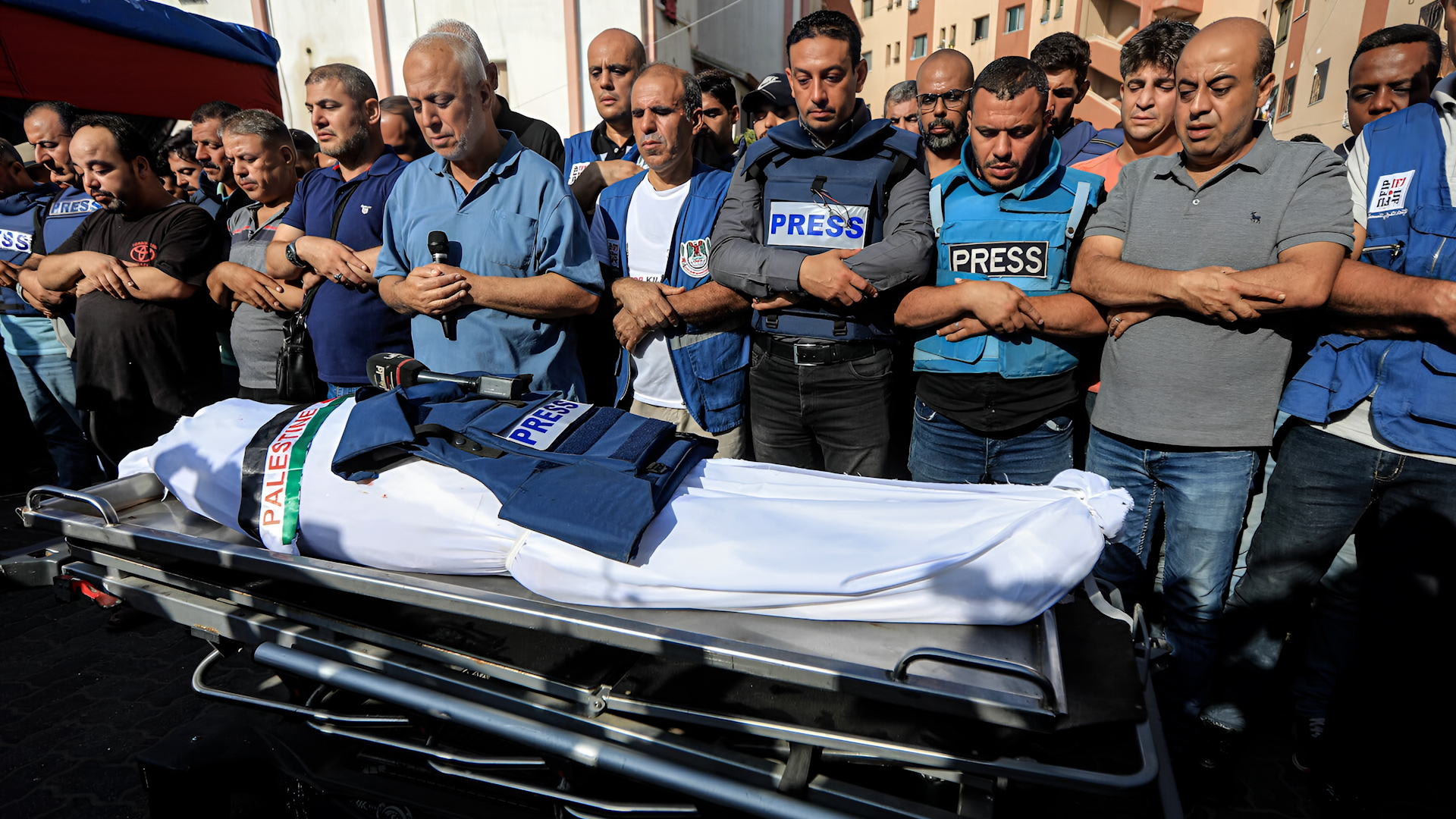
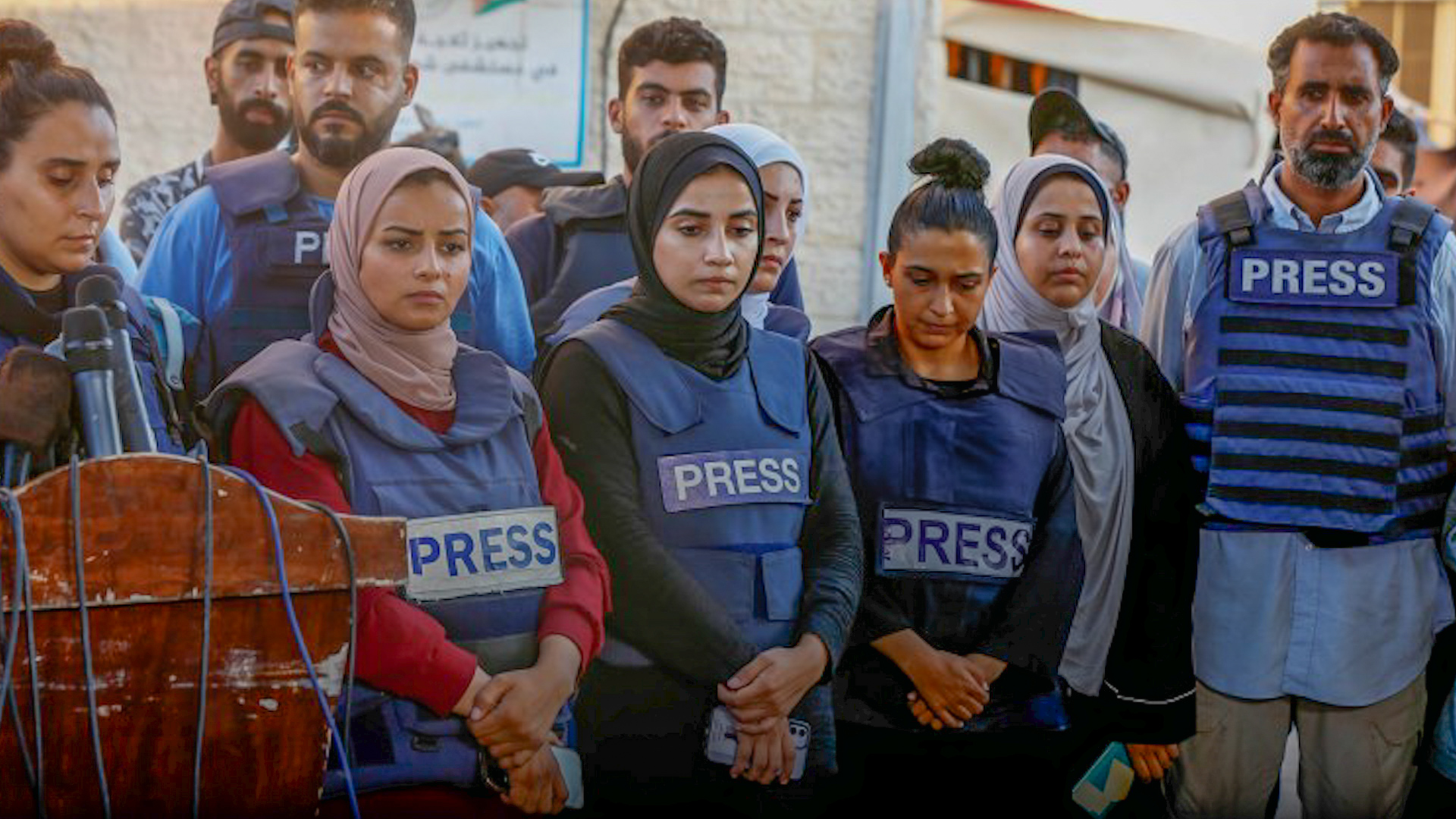
Rhodes University’s School of Journalism recently hosted a powerful screening of the documentary Gaza Journalists Under Fire, a film shedding light on the perilous reality journalists face in Gaza amidst the ongoing conflict.
The event in Makhanda aimed to ignite crucial conversations about accountability and protecting media professionals in war zones.
Shepi Mati, a lecturer at the School of Journalism, spearheaded the initiative, “the fact that we have a moral duty as a school of journalism which trains journalists to stand up and shout out loud at the top of their voices when we hear that journalists are being targeted.”
Mati highlighted the historical protection afforded to journalists by international conventions, a stark contrast to the current situation in Gaza, where an unprecedented number of journalists have been killed.
The documentary, Gaza Journalists Under Fire, was brought to Mati’s attention through his network of journalists in solidarity with Gaza. He saw it as an invaluable tool to raise awareness among students and the broader community about the unfolding humanitarian crisis in Palestine. Mati stressed that a primary goal of the screening was to hold the Israeli government accountable. “Us in the global South who constitutes the majority of humanity need to pursue and rescue the idea that international norms and Laws must not be trampled upon with impunity,” he said.

“History will not forgive us”– pull quote
Attendees had the unique opportunity to engage with the documentary’s maker, Robert Greenwald, a Jewish filmmaker from New York. Greenwald, who has a history of making films on war-related issues, explained his motivation: “I felt strongly that if I didn’t take on this issue… I was being hypocritical.” He revealed that he faced significant funding cuts after deciding to tackle the Gaza conflict.
The discussion also touched upon the staggering US weapon supply to Israel, with $20 billion approved in 2024 and an additional $10 billion earlier this year. Greenwald lamented the lack of accountability, believing that if the press were allowed independent access, it would create immense pressure for some level of oversight. A clip featured in the documentary showed Jodie Ginsberg, CEO of the Committee to Protect Journalists, questioning why the Egyptian government has not opened its borders to allow international journalists into Gaza, particularly if there’s nothing to hide.
Orla Quinlan, an expert with 25 years of experience in humanitarian organisations, corroborated the mainstream media’s inability to gain independent entry into Gaza. She noted that while some individuals can enter under Israeli military escort, no independent external journalists are permitted.
Quinlan shared a deeply concerning perspective, suggesting that the killings of journalists in Gaza appear intentional, with individuals being targeted and isolated. She concluded with a sobering thought, warning that allowing this war to continue unchecked could lead to “the death of our human nature and humanity.”

