


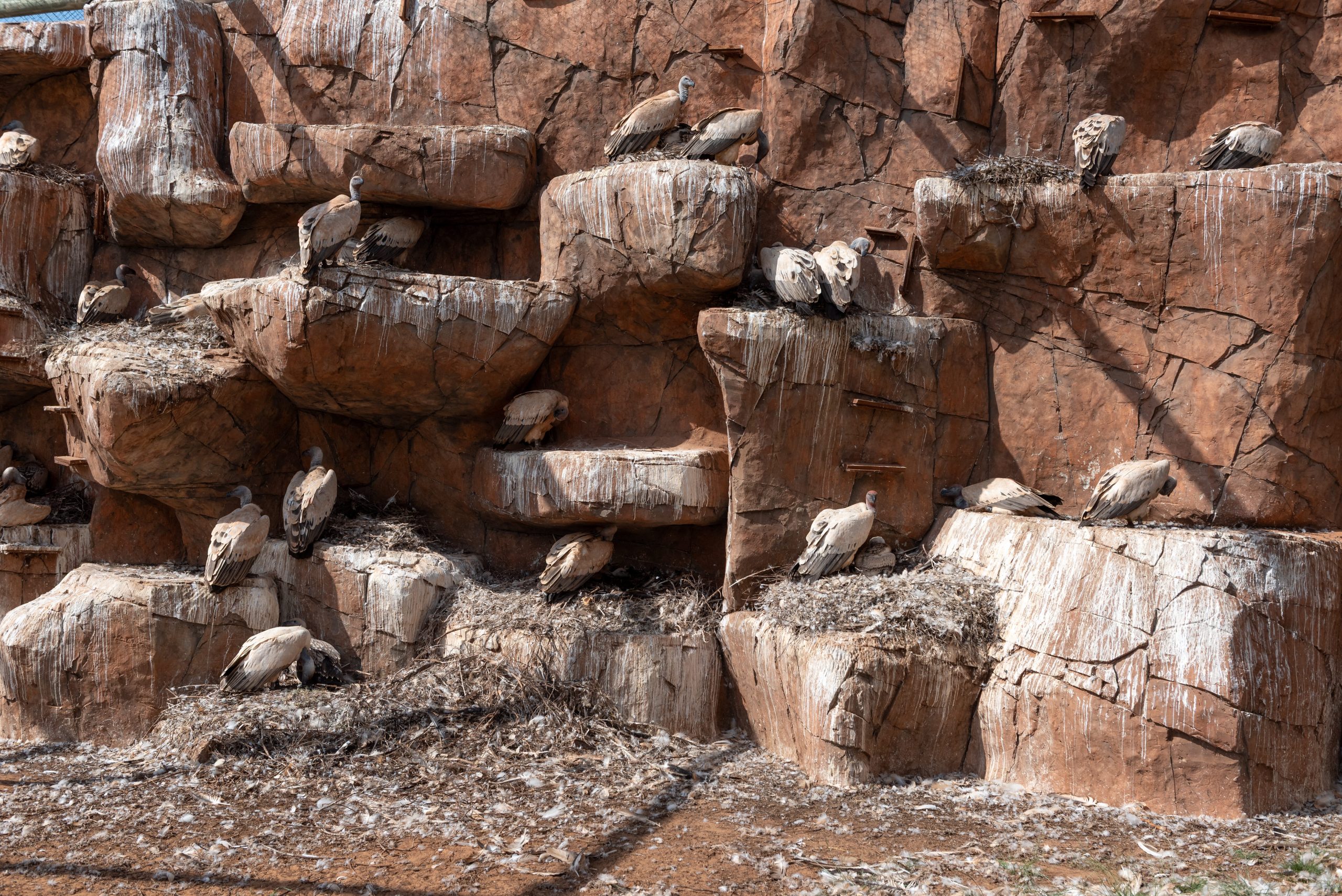
Misunderstood, feared, and persecuted, vultures worldwide are in decline. Vulpro is working to reverse that trend in Southern Africa. Pictures and story by Harold Gess.
South Africa is home to nine species of vulture but many of these have experienced a dramatic fall in numbers to the point where three of them are listed on the IUCN Red List as critically endangered, two as endangered, and one as vulnerable.
According to Birdlife South Africa, the causes of the decline in vulture populations are numerous. Poachers kill large numbers of vultures using poison-laced carcasses, and many more are killed through secondary poisoning, while collisions with electrical infrastructure such as distribution lines are also an important factor. Habitat loss and food shortages have also directly affected population numbers. Use of vulture parts in traditional medicine often drives the deliberate poisoning of vultures. More recently turbine blades on the wind farms now springing up all over the country have become a major threat to vultures.
In the face of the growing vulnerability of vulture populations, the then 28-year-old conservationist Kerri Wolter founded Vulpro, a non-profit organisation, in 2007 with a dedicated focus on vulture conservation. Wolter recognised that “everything is interconnected. Every species deserves to be loved just as every person deserves to be loved, no matter their appearance”.
Vulpro has a four-pronged strategy: rehabilitation and release; captive breeding for release; scientific research and monitoring; and community engagement through partnerships and education.
Initially based at Hartbeespoort in the North West Province, the organisation opened a second facility in the Eastern Cape in 2024 at Shamwari Private Game Reserve 65km south of Makhanda.
The facility at Shamwari is home to around 200 Cape, White-backed, Lappet-faced, Egyptian, and White-headed vultures. Breeding successes among the Cape and White-backed vulture populations have been good this year with 25 Cape and four White-backed Vultures currently being prepared for soft release back into the wild.
The first Lappet-faced vulture chick hatched in September this year, bringing with it hope that the tide can be turned on the decline of this critically-endangered species. There are believed to be only 180 breeding pairs remaining in the wild.
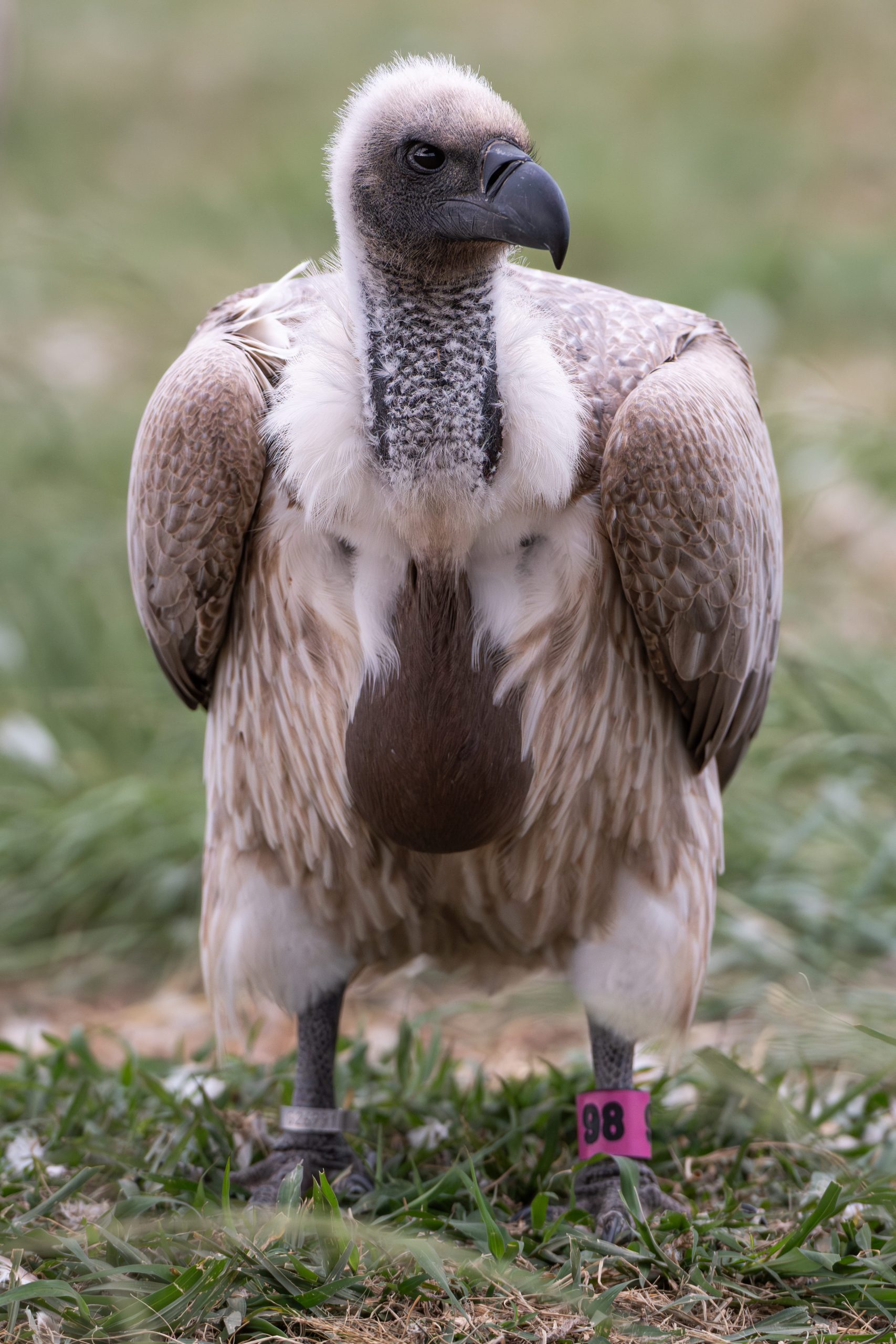
Turning around the fortunes of vultures is also about changing public perception
Wolter underscores that community engagement and education are key to the long-term sustainability of vultures. “No-one will work to save a species or care about its future if they are not emotionally moved by it.”
When we look for a pejorative name to attach to journalists, lawyers, or tow-truck drivers we refer to them as vultures, but this is not right!
In reality vultures are an important part of our ecosystems, responsible in the wild for rapidly disposing of decaying carcasses. This serves to limit the spread of diseases to other wildlife, livestock and people as well as recycling nutrients back into the ecosystem.
Visiting Vulpro one is struck by how magnificent and clean the vultures really are. Walking among them there is no smell of decay. The image of a scavenger bird living with blood all over its neck and head doesn’t ring true as one watches them clean themselves fastidiously after eating.
Spending time with vultures their true identity as powerful raptors is apparent. These are big birds. The Lappet-faced vulture is the biggest raptor in Africa.
Vultures belong with eagles in the ‘royalty’ of bird species.
