


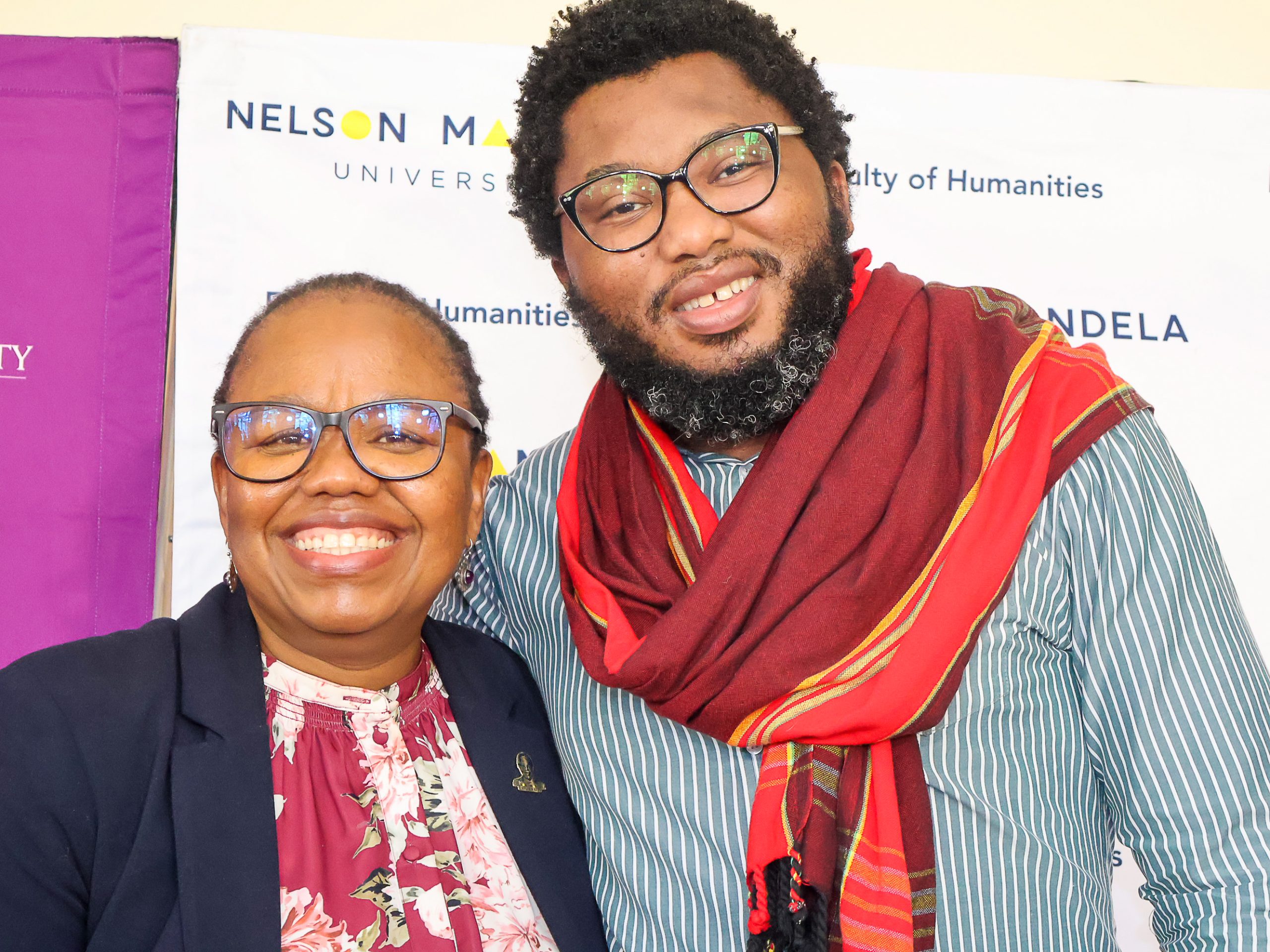
Nelson Mandela University and Rhodes University recently co-hosted the Multilingualism Indaba, an event focused on the vital role of South Africa’s diverse languages in higher education.
Hosted at Rhodes University’s Gavin Relly Postgraduate Village, the Indaba brought together students, scholars, and language practitioners under the theme “Milestones in Motion: Collaborating for Multilingual Futures”. It highlighted how universities are transforming to be more inclusive by recognising that languages are at the heart of our identities.
“Our languages carry our histories, knowledge systems, and ways of making sense of the world”, said Sisonke Mawonga, University Capacity Development Programme (UCDP) implementation project manager and Commerce Extended Studies lecturer.
When the archive speaks in African tongues
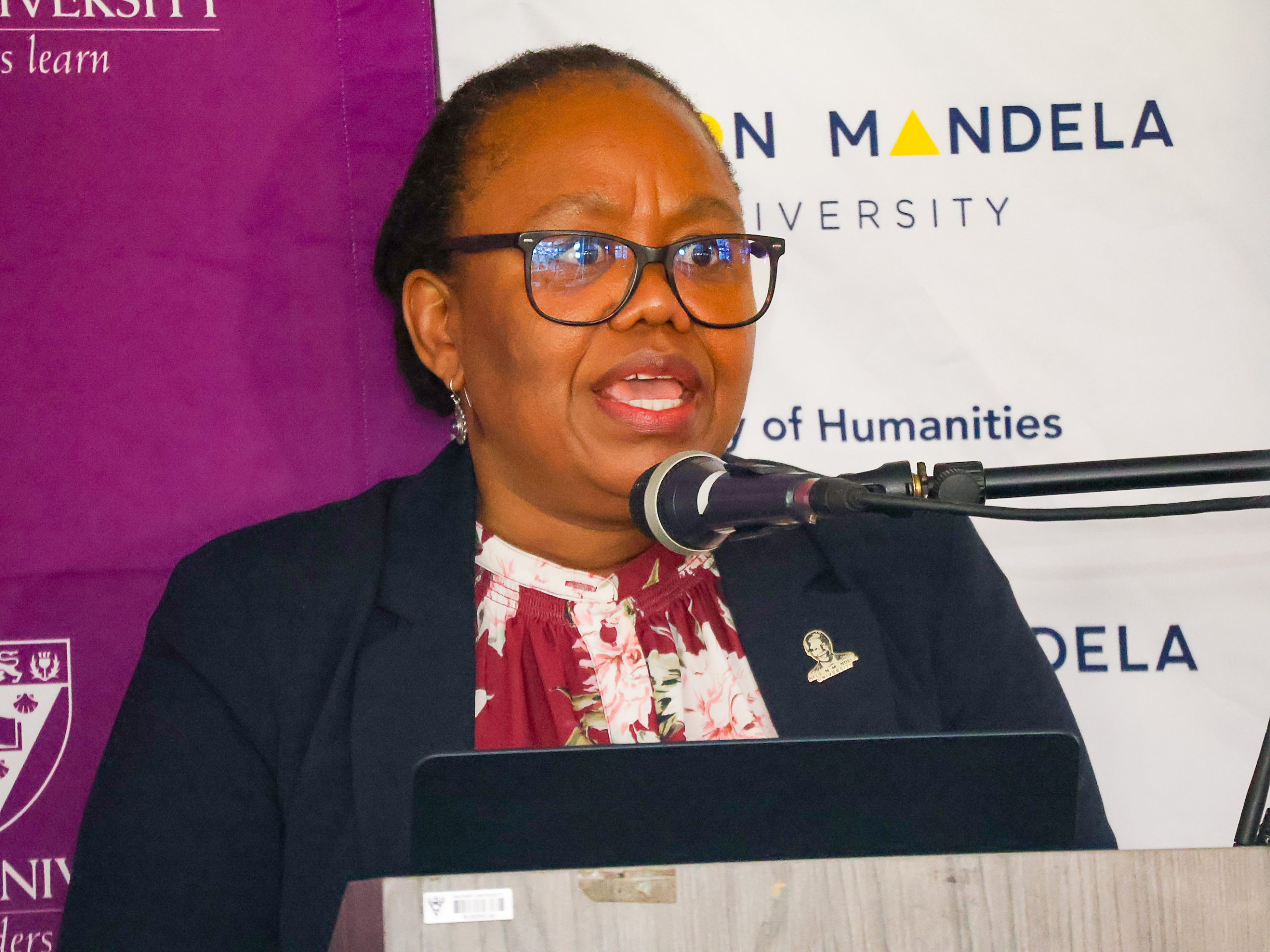
In her keynote address, Professor Pamela Maseko, the Executive Dean of the Faculty of Humanities, challenged the dominant historical narrative that positions African intellectual life as beginning with colonial contact.
She insisted that African languages and knowledge systems existed well before 1652, urging a historical reframing of how South African knowledge production is imagined.
“Early literary traditions in isiXhosa were among the first African languages on the continent to be written down in printed form. These early texts contained reflections on society, history, and philosophy, authored by Africans who understood both the colonial project and their own epistemic traditions,” said Prof Maseko.
Through these writings, she noted a resonance between her personal experience and 19th-century isiXhosa texts, which illuminated deep intellectual histories embedded in African languages, histories she felt could not be fully defined within the confines of the academy.
A central thrust of Maseko’s talk was the intertwining of language and power. She argued that language has historically been used to dominate societies, through “historicide (history erasure), linguicide (language erasure), leading to epistemicide” – the systematic devaluation and erasure of indigenous knowledge systems.
Maseko critiqued how this process continues in universities today, where English often functions as the default language of instruction, despite the official recognition of African languages.
She warned that while multilingualism is widely promoted, it can become superficial or symbolic if not grounded in practice. “Language work must go beyond translation and involve methodological and epistemological innovation,” she said.
In closing, Maseko discussed Nelson Mandela University’s revised language policy, which operationalises many of the principles she had addressed. The policy makes a critical distinction between the medium of instruction (English) and the languages of learning and teaching (LoLT), which include isiXhosa and Afrikaans.
“We are making this distinction because we seek to assign roles to the different languages, but the ultimate purpose is to have the languages have agency,” she said.
From case study to classroom strategy
Preceding Maseko, Dr Wanga Gambushe, a lecturer in the University of Cape Town’s School of African Languages and Literatures, delivered a keynote address focused on a critical issue: developing and using African languages, specifically isiXhosa, for technical terminologies in higher education, with a particular focus on cytology (cell biology).
Gambushe framed his discussion around the intricacies and challenges of terminology development in African languages for scientific fields, urging the audience to see this as a necessary process that will evolve over time.
He emphasised that terminology development is not a haphazard task but requires deliberate theory-based planning to ensure that new terms accurately represent both concepts and their meanings.
“This approach should be methodical to ensure that African languages like isiXhosa do not merely mirror foreign terms through transliteration, but instead are used to develop new, locally meaningful terms that are conceptually grounded in the African linguistic and cultural context,” said Gambushe.
Gambushe also drew a fascinating parallel to the history of European languages, particularly Latin, to underscore that the challenges faced by African languages today in terms of scientific terminology are not unique.
“English, German, French, all of these languages, once upon a time, were dominated by Latin, but as vernaculars started taking up more space in education and science, these languages had to undergo similar debates and processes in order to become capable of describing the complex scientific concepts.”
The aim of this terminology development, Gambushe explained, is to assist student learning. “By engaging students in the process of creating terms and using African languages, we are not only helping them learn but also instilling a sense of ownership and empowerment in the educational process,” he said.
In addition to the keynotes, multiple scholars – emerging and established, offered scholarly contributions to foster multilingualism and to strengthen urban vernacular languages which have often been understandardised or underdeveloped.
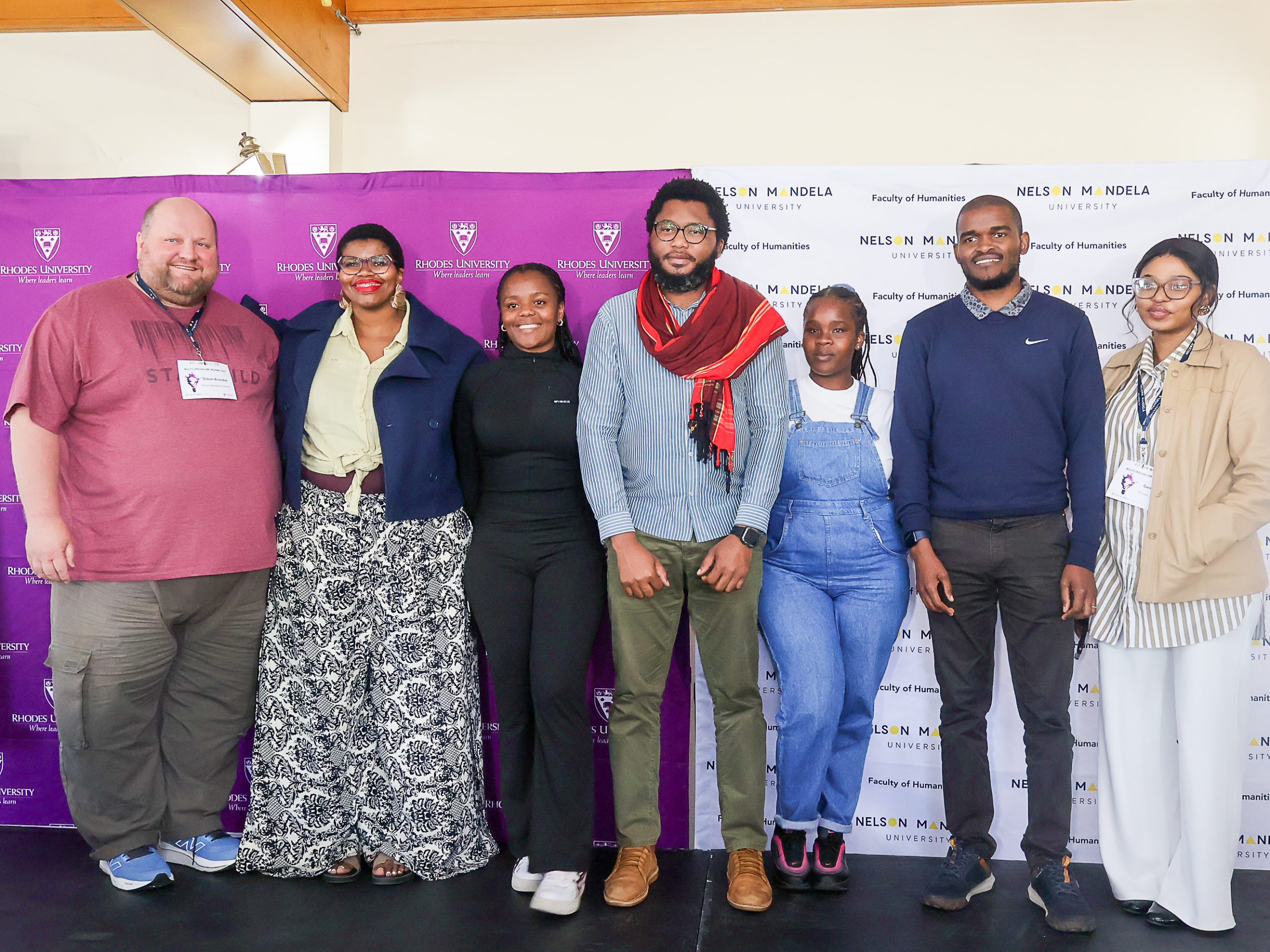
The Indaba concluded with the launch of ULwimi kwezeMfundo kwiNtlalopolitiko noLuntu, a groundbreaking volume edited by Dr Simthembile Xeketwana and Prof Linda Kwatsha. The book shatters misconceptions surrounding African languages in higher education through rigorous scholarly research, offering insights from academics across multiple universities.
By engaging in these discussions, the Multilingualism Indaba not only highlighted the challenges of integrating indigenous languages into academic settings but also demonstrated the ongoing efforts to ensure that African languages play a central role in shaping the future of higher education.
Story supplied by Kuyanda Kala, a communications officer at the Nelson Mandela University.
