


By Siyanda Zinyanga and Uvile Soci
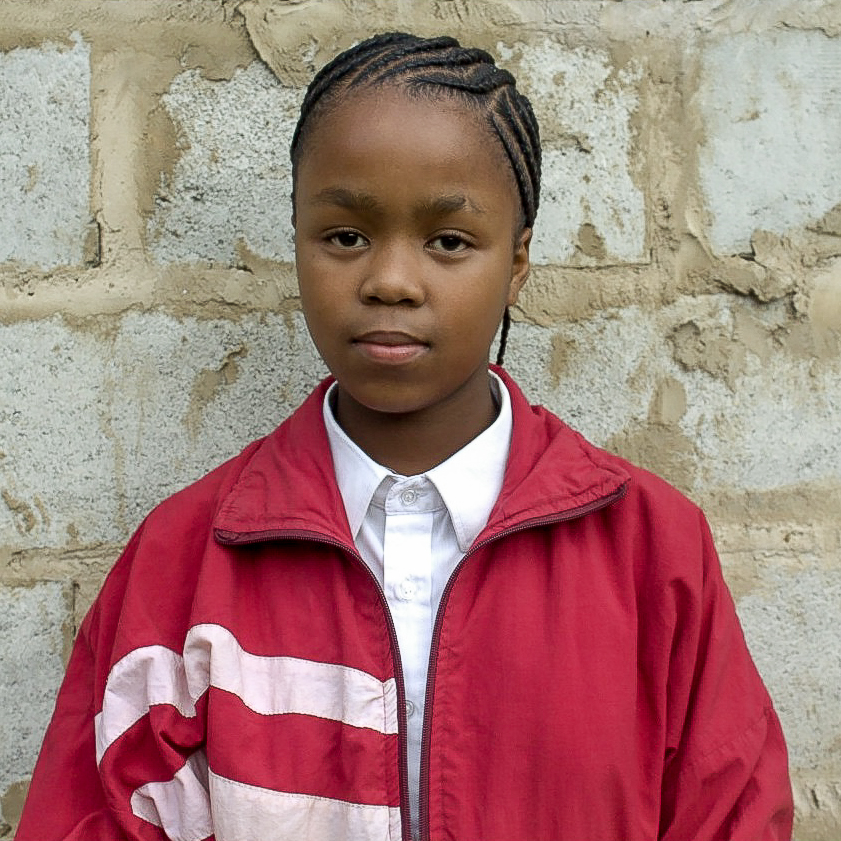
I started feeling dizzy and weak. I didn’t have the energy to walk,” says 12-year-old Sanelisiwe Ranuga, a Grade 6 learner at George Dickerson Primary School. The family lives near a persistent sewage leak that has flooded the gravel road outside their house. The smell is overwhelming. The soggy ground makes it difficult, and even impossible, for Ranuga to walk safely home from school.
The Ranuga family said they reported the matter to the municipality, and in 2022, workers visited their area, but no changes were made.
“We’ve got used to it. Nobody is coming to fix it,” her family told Grocott’s Mail. According to them, the issue began in 2019. Despite several reports to the municipality, only one temporary attempt was made to fix it, and then silence.
Yet, according to the 2025/2026 Municipal Integrated Development Plan (IDP) expenditure draft, over R15 million has been allocated for repairs and maintenance. For families like Sanelisiwe’s, that number raises questions about where resources are truly going.
Invisible harm, visible impact
Children’s rights are not abstract ideas but rooted in daily realities. The South African Constitution and international conventions enshrined the right to health, clean environments, and safe play. However, these rights are undermined by long-standing infrastructure failures.
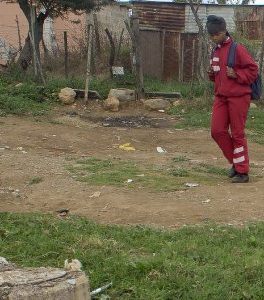
“Most of the time, she has to wear a mask when she goes outside, since the doctor recommended it,” her sister said. The mask protects her breathing, but reminds her of the invisible danger around her home.
Not an isolated case
Earlier this year, Grocott’s Mail reported on Riccado Jacobs, a resident of Ghost Town, who lives with his 11-year-old daughter, a Grade 5 learner diagnosed with asthma. Her condition, he believes, is linked to the broken sewage pipe that runs through their house. Despite his pleas, no repairs have been made.
“Tell Mr Ramaphosa we are suffering down here. I voted for Ramaphosa, where is he?” Jacobs asked.
Silence from officials is the answer
Grocott’s reporters attempts to get answers on their behalf have not been answered by municipal officials whose duty is to ensure that safe sewerage is provided. The Auditor General has given disclaimers of opinion from 2018/2019; these disclaimer opinions reveal that the municipality’s finances are not well managed, preventing the AG from forming an opinion about the municipality’s financial statements.
Systemic neglect is a form of violence
Sewage overflows and contaminated air are not just service delivery issues. They represent what some researchers and activists call “infrastructural violence”, when government failure harms people not through weapons or words, but through silence, absence, and delay.
The impact on children is fierce. Zolani Gadla, a neighbour, said the conditions our children face on their way to school are unthinkable. “Children no longer play outside, not because they don’t want to, but because there’s nowhere safe to play,” Lisakhanya, her sister, said.
Children are more than their struggles
Despite everything, children like Sanelisiwe continue to dream. Her sister says she wants to become a nurse one day, “so she can help people who are sick like she was.” Her soft but determined voice reminds us of what’s at stake, not just health and safety, but futures.
As Makhanda’s officials move toward implementing the next municipal budget, they must listen to figures on paper and voices on the ground, especially the small voices that often go ignored, because when a city of saints fails its children, it fails God.
