



By Nomfundo Mbatha and Siyamthanda Ndinisa
In a remarkable tribute to dedication, passion, and behind-the-scenes excellence, a newly discovered fish species has been named after Makhanda resident Vuyani Hanisi a longtime employee of the South African Institute for Aquatic Biodiversity (NRF-SAIAB).
The fish, Glossogobius hanisii, is a member of the goby family (Gobiidae), found off the east coast of South Africa, and its name will now forever honour the quiet but vital contribution of a man who has helped preserve one of the largest fish collections in the southern hemisphere.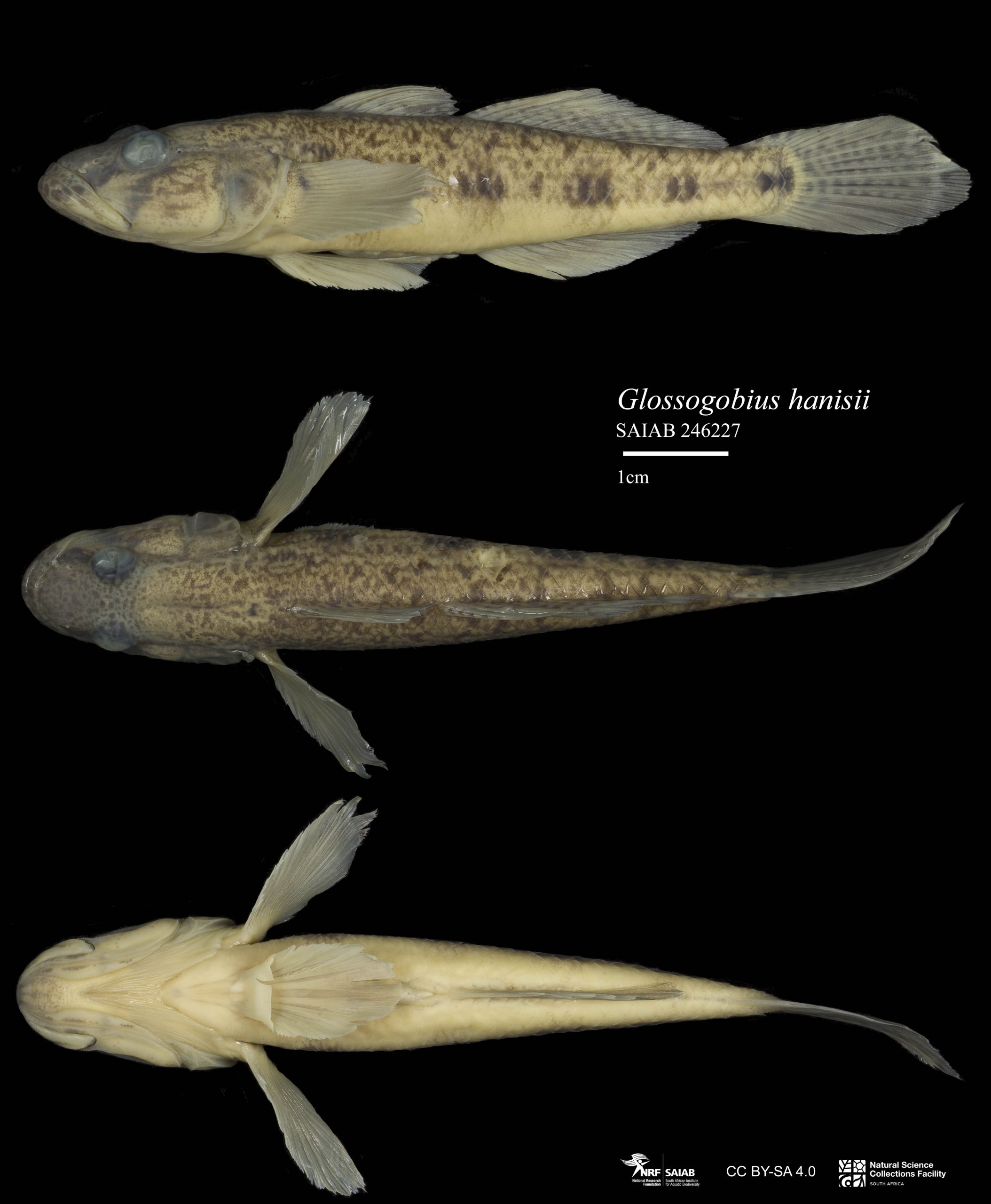
Born and raised in Makhanda, Hanisi’s legacy will live on both in science and in the waters of the Indian Ocean.
“The naming of this fish came as a complete surprise,” said Hanisi. “It’s a tremendous honour for me and my family. They’re incredibly proud because they know how much I love what I do, and how hard I work at it every day.
Hanisi has spent over 17 years at NRF-SAIAB handling specimen preservation, managing chemicals, and ensuring the proper curation of over a million preserved specimens. His work, though often unseen by the public, has been instrumental in maintaining the integrity and scientific value of the National Fish Collection. “I feel blessed to be honoured while I’m still alive and to see my family so proud of me,” he said.
Lead researcher Fattah Zarei, along with co-authors Yonela Sithole, Ulrich Schliewen, Roger Bills, and Albert Chakona, officially documented the new species in a recently published scientific paper. Zarei explained: “We felt it was important to honour Vuyani’s exceptional behind-the-scenes contributions. His dedication to curating one of the largest fish collections in the southern hemisphere has been invaluable.”
Traditionally, new species are named after scientists or field collectors. But Glossogobius hanisii honours instead the skilled and essential hands that keep scientific collections alive and thriving.
“I am humbled,” Hanisi said. “This is not just about me it is for everyone who works hard behind the scenes.”
