By ‘Maleruo Leponesa
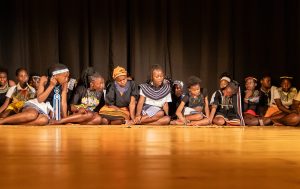
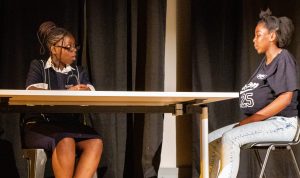
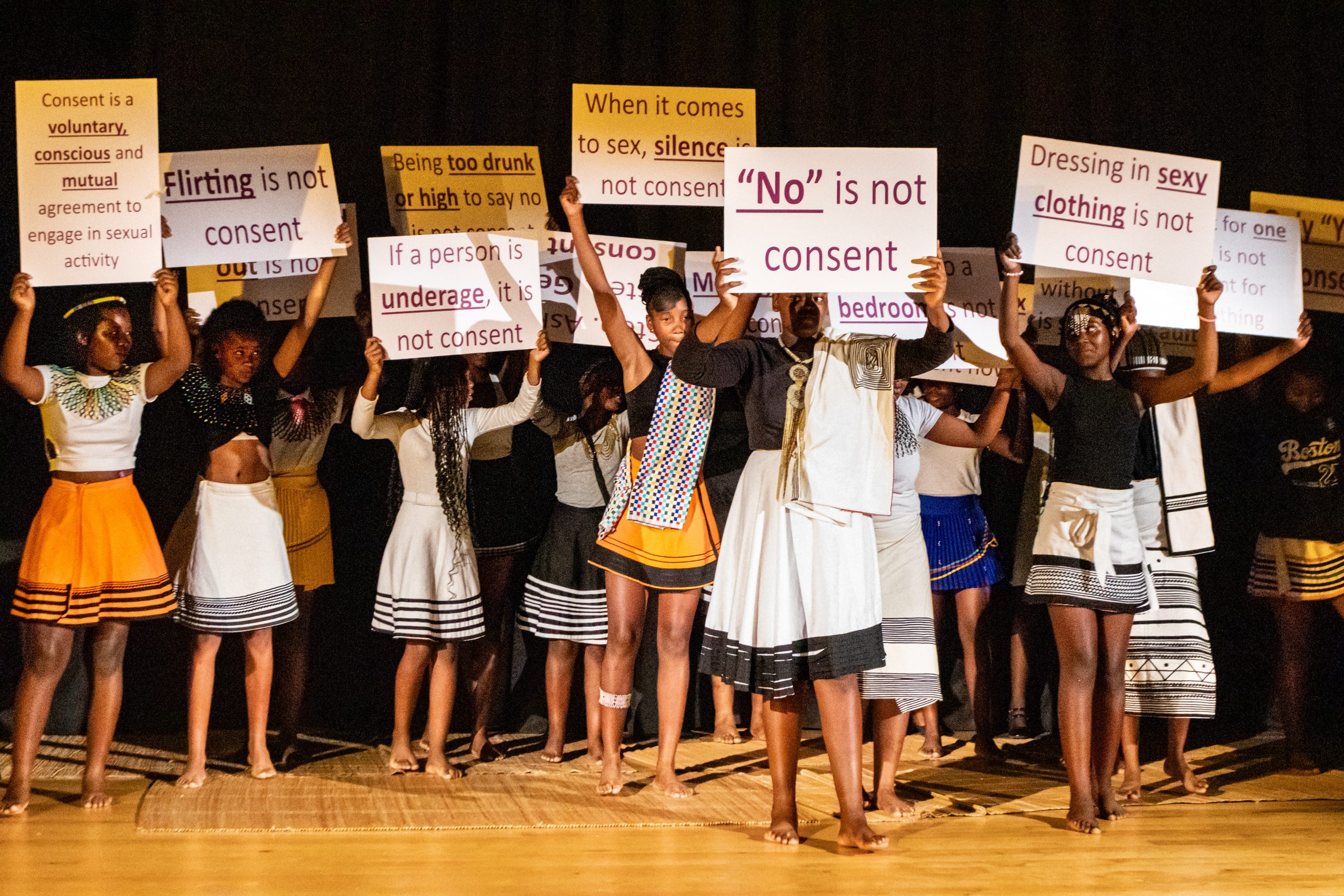
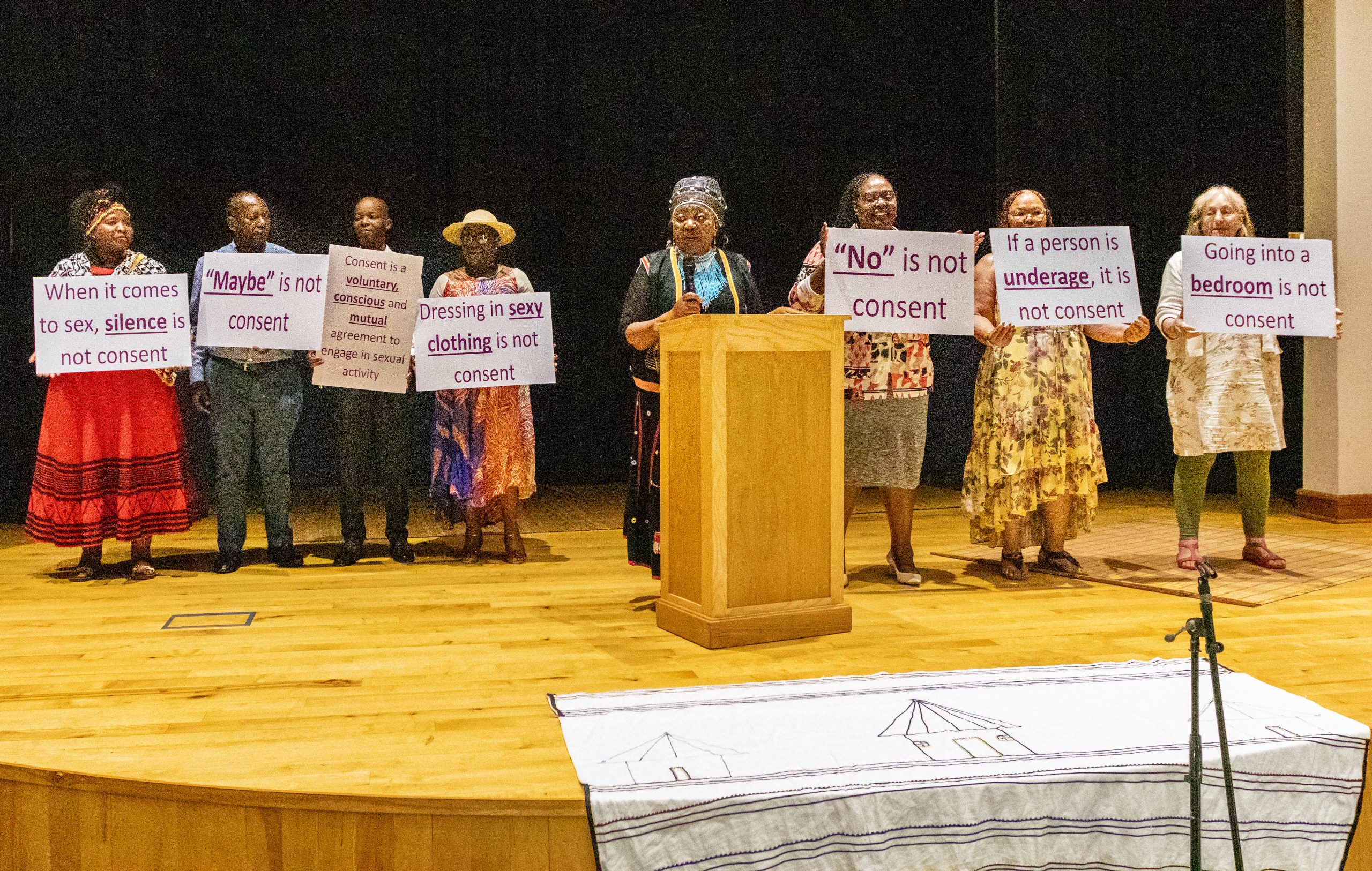
Tuesday marked the first day of the 16 days of activism for no violence against women and children campaign. This year, the Entangeni Adolescent Girls Movement launched a drama piece about sexual and reproductive health and rights for adolescent girls.
Hosted at Amazwi Museum, this event marked the first day of this year’s campaign.
Various stakeholders were present, including teachers and principals from the participating schools, parents, GBVF Response Fund project manager Dr Tirhani Manganyi, Chairperson of the Euginia Nothemba Gxowa Foundation, Nomkitha Gysman, as well as Executive Mayor Yandiswa Vara, who gave a word of welcome.
Vara’s speech was directed to the Entangeni girls, “You must know and understand your body so that you are proud of it,” she said. She educated the girls about the importance of understanding their puberty stages, as it would help them understand their growth. She emphasised that no one has the right to touch their body parts, regardless of who they are.
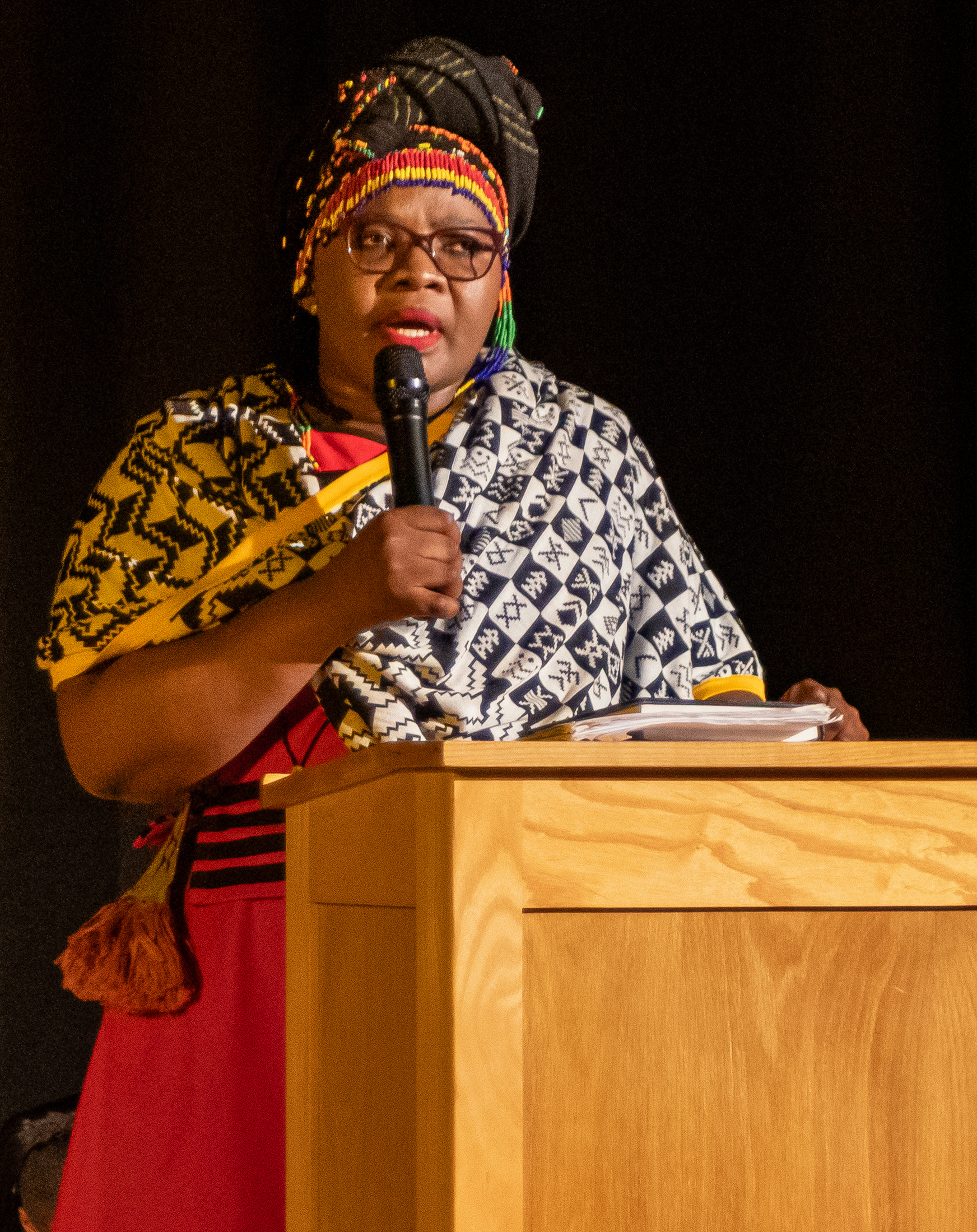
Tirhani also delivered a speech aimed at creating awareness on gender based violence (GBV). She commended all the stakeholders behind the Entangeni Adolescent Girls Movement for the outstanding work that they do. She, however, indicated that there was still a lot of work ahead of us regarding GBV. She expressed the amount of economic loss that the country faces as a result of GBV. “In the play that we just watched, we saw this girl who had to be hospitalised and underwent surgery to remove her destroyed womb. There are many cases that cost the government a significant amount of money. This could be avoided if we continue to include all different members of our society,” Manganyi said. She also pointed out that even in the recently signed G20 document, GBV has been identified as a social pandemic that requires more attention.
She also highlighted that if youth are included in movements aimed at reducing GBV, there is a high potential for success. She suggested that boys should also form a bigger part of the movement against GBV. “I wish this play could also be taken to our communities for traditional leaders to watch, as some of our traditional practices stimulate GBV. For example, the girls in the play got drunk from the umqombothi, which they drank at Umkiti, which is a tradition where children in the family can also drink this traditional beer.”
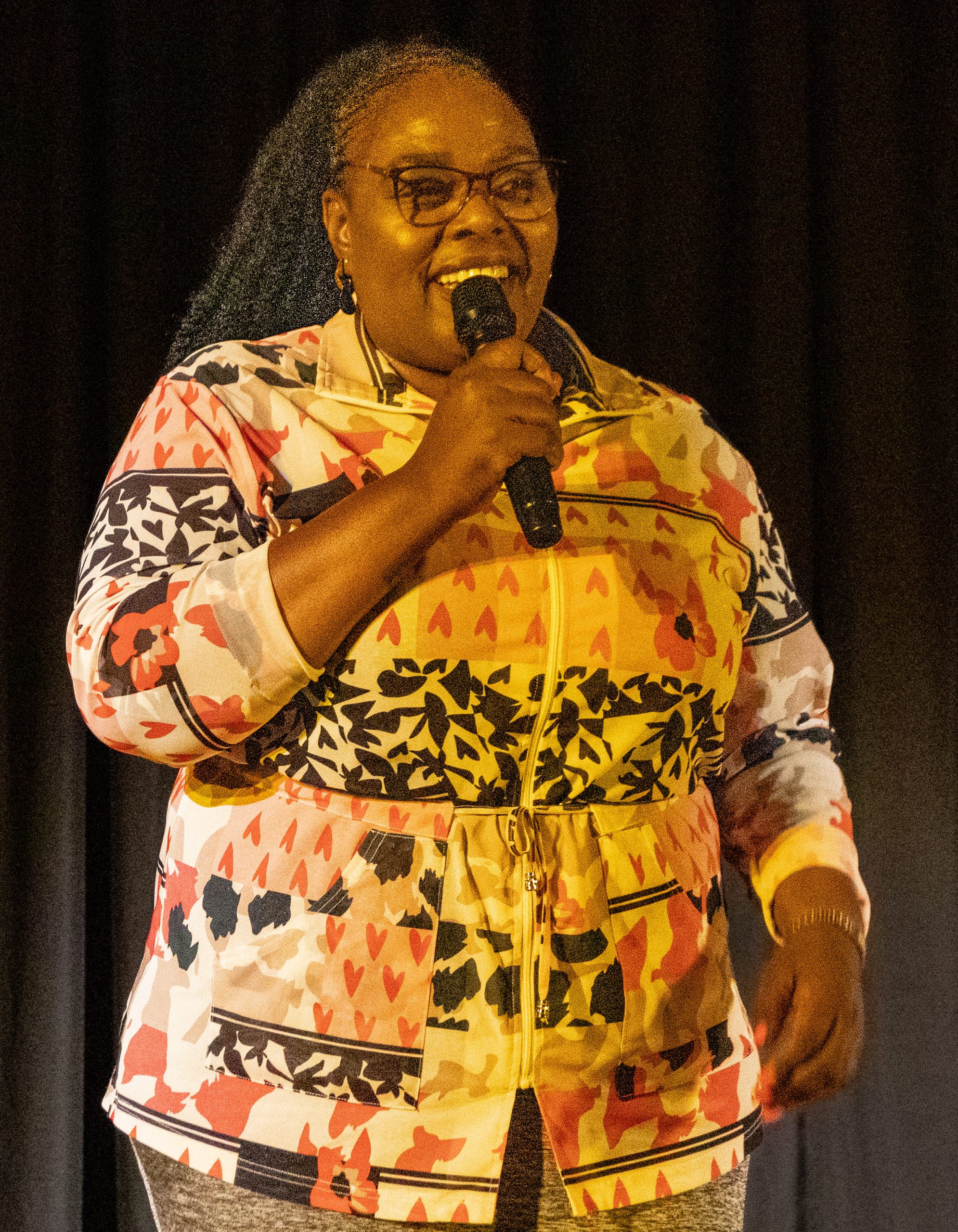
Gysman expressed gratitude on behalf of Entangeni to the principals who worked in collaboration with the Girls Movement. She thanked, amongst other schools, T.E.M. Mrwetyna for accommodating them during this time when they did not have their own space. Nonetheless, she mentioned that they would be grateful if they could one day have their own space. “We want these girls to know that even on weekends they can safely say they are going to spend their time at Entangeni, where there will be a shelter which is a safe space for them,” Gysman said. She also pointed out that they are working on integrating with other organisations in the Eastern Cape to allow for exposure and further growth.
Background
Founded to empower vulnerable girls in Makhanda, the Entangeni Adolescent Girls Movement has continued to create spaces where young women could learn, speak out and act against GBV. What began as a small empowerment initiative has evolved into a platform that utilises storytelling, mentorship, and education to challenge harmful norms affecting adolescent girls. As reflected in the drama performance and the messages from leaders, Entangeni remains a vital voice in the fight against violence. It’s a call for a permanent safe space that shows the organisation’s long-term vision: to build a community where girls are protected, informed and confident enough to reclaim their futures.