


By Asemahle Vumsindo
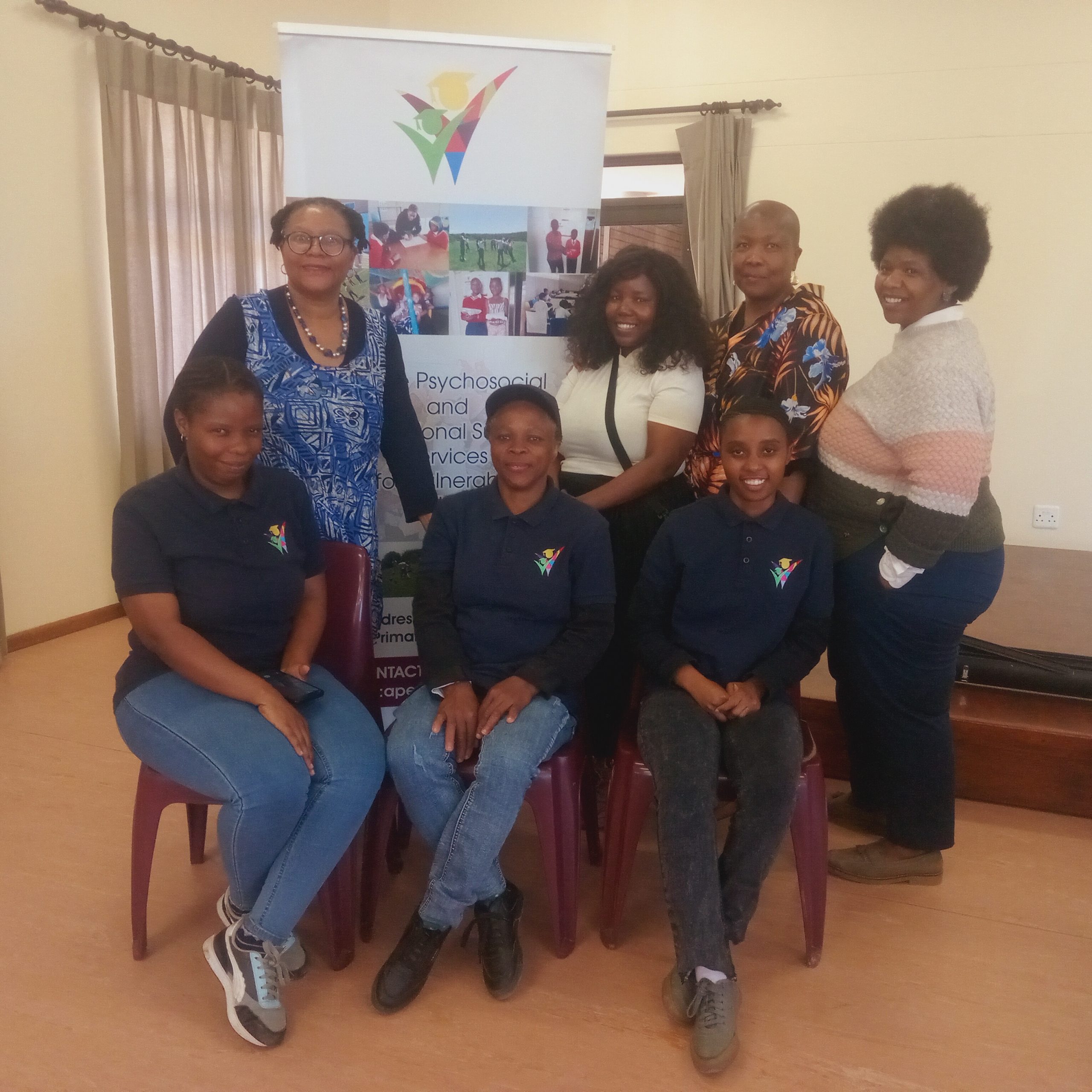
Aspire Psychosocial & Educational Support Services for Vulnerable Children (APESSERV) remains a vital lifeline for vulnerable learners in the Makhanda townships, but its Annual General Meeting (AGM), held at Nompumelelo Hall in Joza, highlighted significant resource and staffing constraints that threaten its ability to meet the growing demand for specialised support.
The report, delivered by Director and Founder Zimasa Burns-Ncamashe, showcased numerous successes in 2024/2025, including the launch of a successful Careers Day, a Dignity Restoration Initiative (Uniform and Underwear Drives), and the continued provision of essential services in partnership with Tantyi Primary School.
2024/2025 programme highlights
Operating at Tantyi Primary School three afternoons a week, APESSERV provides integrated services across four pillars:
Educational support: after-school tutoring, homework supervision, and reading sessions (in partnership with Rhodes University students).
Psychosocial support: psycho-education on topics like gender-based violence and substance abuse, delivered by Rhodes Psychology Interns.
Life skills: health and wellness education from V. Shumane Clinic and Fort England Hospital.
Dignity & Wellness: provision of healthy snacks, free weekly laundry services, and recreational activities like chess and therapeutic singing.
The organisation, established in 2018 and formally registered in 2020, is primarily funded by the Department of Social Development (DSD) and The Learning Trust (TLT).
Critical challenges impeding growth
Specialised needs vs. capacity: nearly half of the Grade 4 learners are identified with Special Educational Needs (including ADHD, dyslexia, and autism). The NPO cannot afford to hire or competitively remunerate the specialised, qualified staff needed to support these complex cases.
Social worker access: the allocated DSD social worker is difficult to access for urgent cases, prolonging distress for children involved in serious issues such as suspected child labour and exploitation by loan sharks. The NPO is urging for a funded, on-site social worker.
Staffing and funding loss: the May 2025 termination of the Social Employment Fund (SEF) contracts for After-school Assistants (AAs) has created a major sustainability challenge. Retaining essential AAs on stipends is now diverting limited operational funds. The food gardening programme had to be cancelled due to the end of the gardener’s SEF contract.
Administrative overload: staff are burdened by a dual role of providing direct childcare and extensive administration (compliance, reporting, funding applications), straining capacity. A dedicated, funded administrative position is recommended.
Transportation barriers: lack of transport limits service to mainly Tantyi Primary learners, preventing access for vulnerable children from other Makhanda areas, Riebeeck East, and farms. This poses a major safety risk, especially when children walk home in the dark winter months.
Call for volunteers
Following the report, a member of the public raised a question regarding the composition of the volunteer base, noting the all-female Board and staff.
Burns-Ncamashe quickly clarified the organisation’s position, saying emphatically that APESSERV does not only require women; men are strongly encouraged to join and volunteer.
”We want people who have a heart for the children as they are vulnerable,” Burns-Ncamashe said, confirming that volunteer spots are open for anyone willing to assist.
APESSERV’s priorities for the coming year are focused on overcoming these hurdles: securing sustainable funding for professional staff, hiring a Programmes Co-ordinator, strengthening monitoring, and continuing the dignity restoration initiatives.
To enhance its operations, APESSERV’s wish list includes several critical needs: Wi-Fi connectivity for administrative efficiency, a dedicated vehicle to address transportation barriers and expand reach, outdoor benches to improve the center’s environment, and pothole repairs to the access road to ensure safe entry for staff and beneficiaries. Meeting these infrastructure needs is vital for improving service quality and safety for the vulnerable children.
