By Garikai Chaunza
Rhodes University academics have called for urgent reforms in postgraduate education, emphasising the need to adopt structured and cohort-based supervision models that align with global practices and institutional research themes.
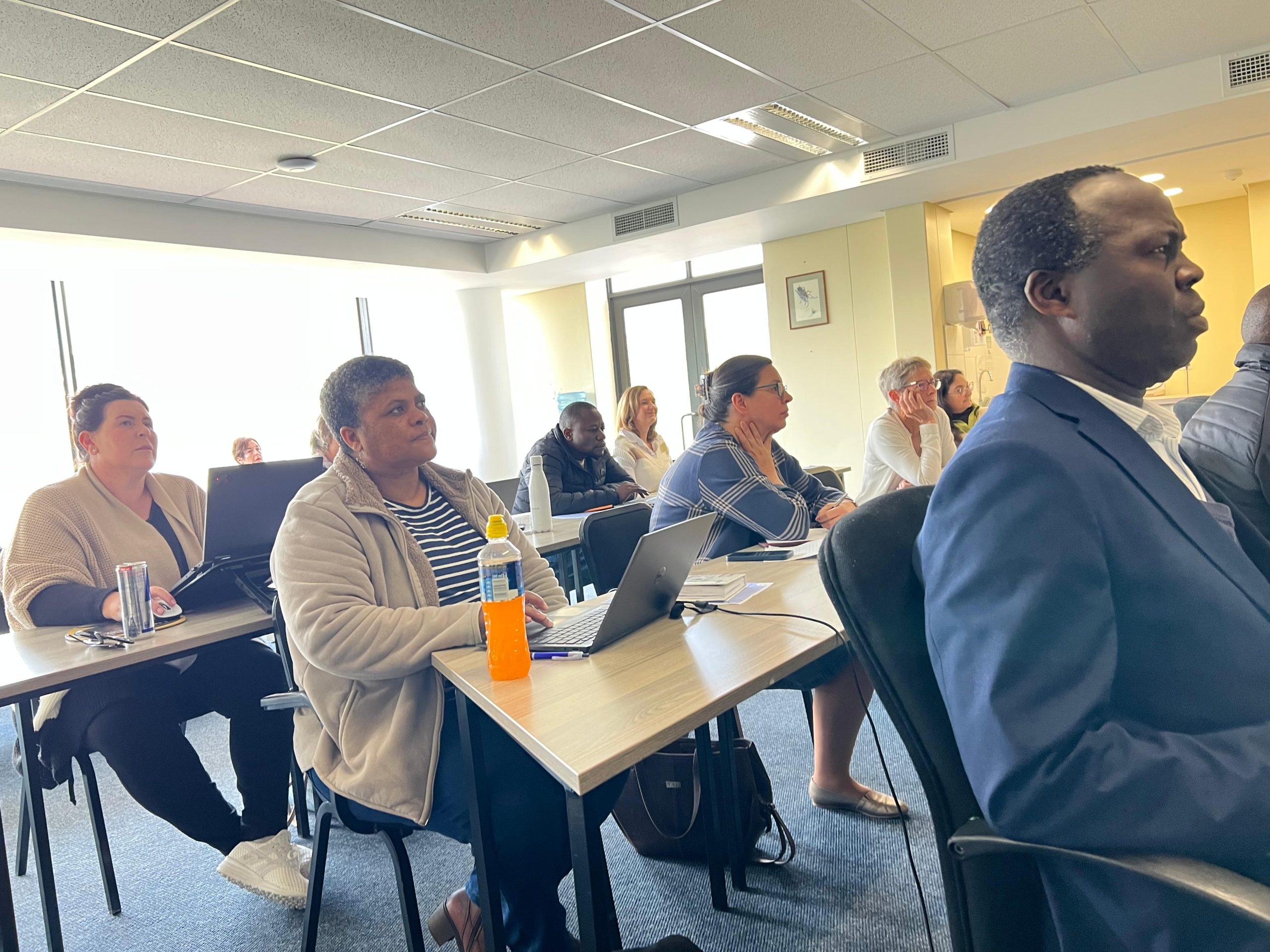
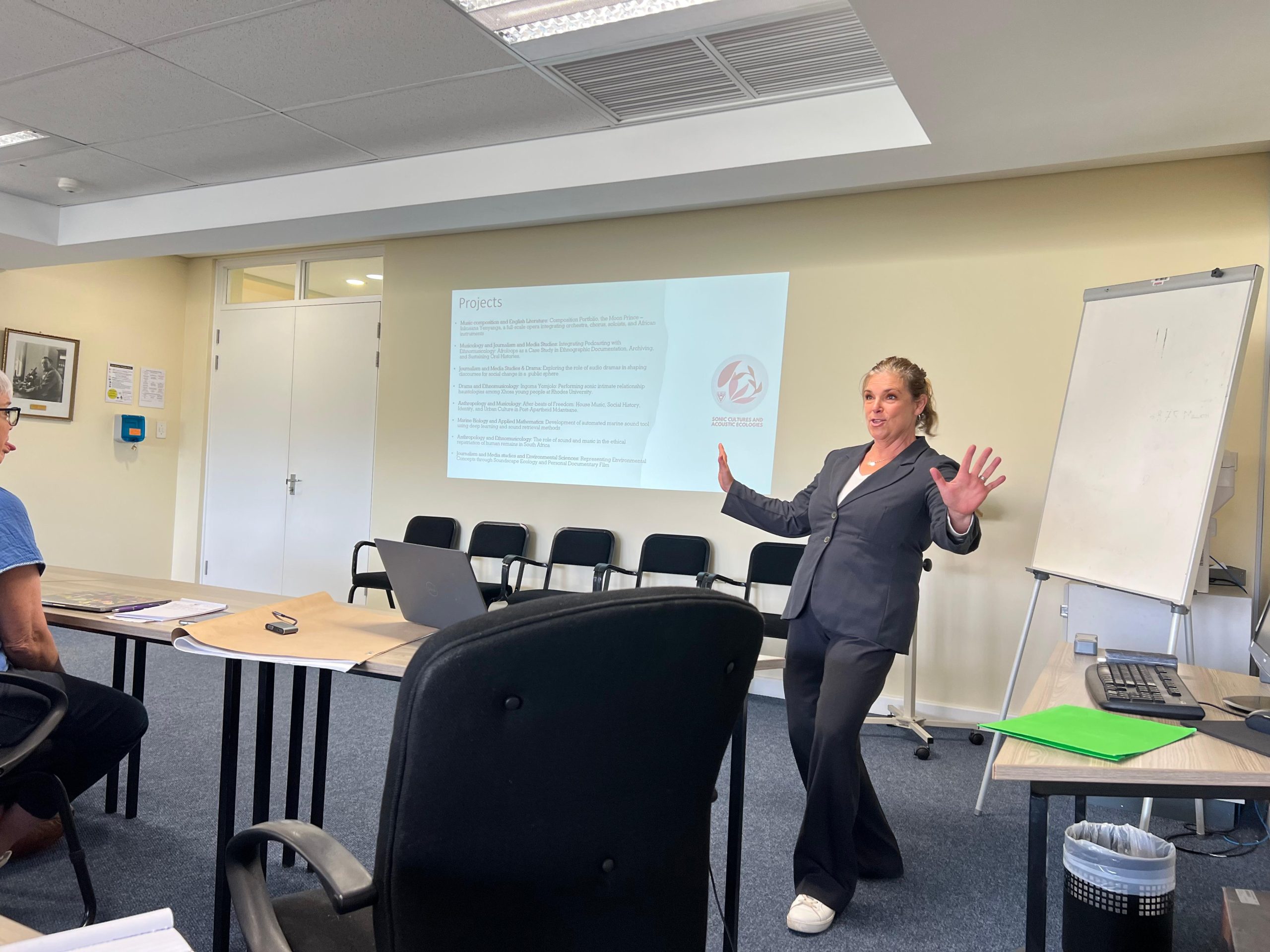
The call was made during a workshop organised by the Centre for Postgraduate Studies (CPGS), where scholars reflected on enrolment trends, supervision capacity, and the role of thematic research in driving the university’s strategic goals.
In his opening remarks, CPGS Director Professor Sybert Mutereko highlighted both the progress and challenges in Rhodes’ postgraduate trajectory.
“Although our postgraduate enrolments have significantly improved, we are still falling short of the targets outlined in the Institutional Development Plan,” he said. “For 2025, the headcount target is 2 731 postgraduate students. Yet, despite growth in undergraduate numbers, postgraduate enrolments remain stagnant. This threatens our goal of achieving a 30 percent postgraduate headcount.”
Prof Mutereko noted disparities across faculties, citing Education’s strong performance, bolstered by part-time enrolments, while expressing concern about a six per cent decline in PhD enrolments between 2022 and 2025.
He stressed the importance of adopting structured postgraduate models anchored in institutional research themes.
“Research themes help us create shared agendas,” he said. “They allow students and supervisors across disciplines to engage with broad questions in a collective way. Instead of isolated supervision, we can form cohorts of students working on different aspects of a common theme. This approach not only strengthens supervision but also nurtures communities of practice.”
Such models, he added, resonate with current funding priorities. “The NRF is increasingly funding groups rather than individuals, prioritising collaborative, thematic research. By organising around institutional themes, we enhance our ability to pitch coordinated proposals to donors.”
Other contributors reinforced this view. Higher Education Professor Sioux McKenna pointed to international evidence: “Structured PhD programmes achieve much better retention and completion rates. They offer community, accountability, and peer support. It is no longer sufficient to leave everything to the one-to-one dynamic between supervisor and student.”
Across Rhodes, examples of innovation are already visible. Under the leadership of Deputy Vice Chancellor for Research, Innovation and Strategic Partnerships, Dr Nomakwezi “Kwezi” Mzilikazi, interdisciplinary projects in the Humanities and structured programmes in Education and Commerce have been launched.
Professor Boudina McConnachie shared encouraging results: “Where structured models were introduced, postgraduate enrolments increased dramatically. Over 30 Master’s and PhD students are now engaged, and their feedback has been overwhelmingly positive.”
However, participants also stressed the need for reforms to admissions standards. Professor Meshach Aziakpono of the Economics Department remarked, “We are wasting too much time on bureaucratic processes when we should be building our strengths. Reviewing admissions criteria is key to opening doors and attracting talent.”
A broader post-apartheid education context
The debates at Rhodes echo broader developments in South Africa’s higher education sector since the end of apartheid. In 1994, universities were tasked with redressing decades of racial exclusion, widening access, and producing graduates who could contribute to the country’s democratic and developmental aspirations. Government funding frameworks encouraged institutions to expand enrolments, diversify student bodies, and strengthen postgraduate training.
Over the past three decades, universities have made remarkable strides in increasing access for historically disadvantaged groups. Yet, challenges remain: high undergraduate dropout rates, uneven postgraduate participation, and limited supervision capacity. Internationally, structured doctoral programmes and thematic research clusters have become standard practice, enabling institutions to improve completion rates, enhance collaboration, and compete globally.
For Rhodes University, aligning postgraduate entry requirements and supervision models with these global norms is not only about meeting enrolment targets but also about sustaining academic excellence in a rapidly changing higher education landscape.
Prof McKenna concluded: “We cannot afford to stand still while others innovate. If Rhodes wants to remain relevant in postgraduate education, it must urgently review its entry requirements and align with Africa and the world.”