


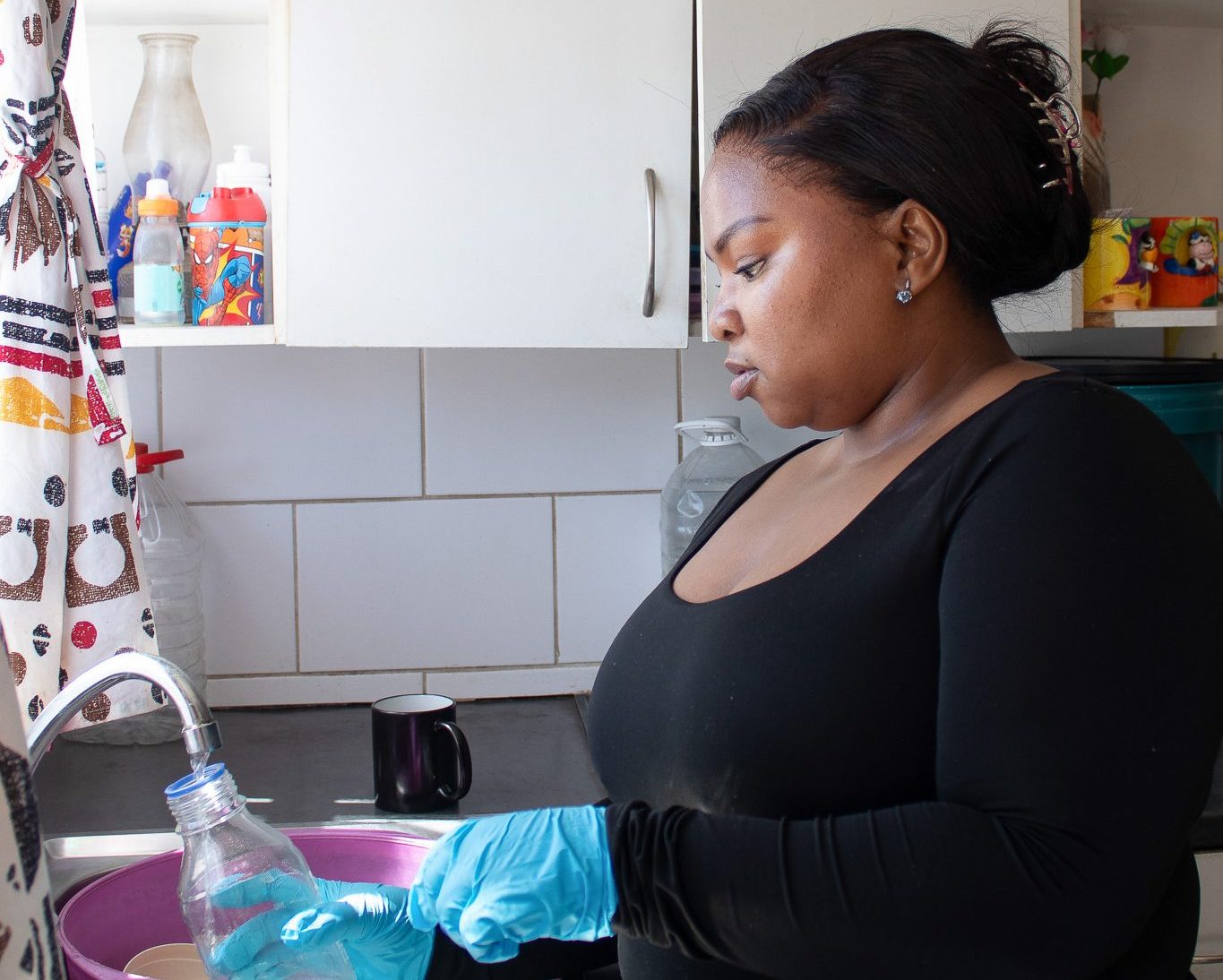
In recognition of World Water Monitoring Day held on 18 September, the Rhodes University Biotechnology Innovation Centre (RUBIC) raised awareness on the importance of water quality testing. The Rhodes Biotechnology team used this day to promote sustainable and ethical water practices across several communities in Makhanda. One of our reporters, Dideka Njemla, went with the biotechnology team on their community engagement water testing tour that collected samples across eight sites.
The water testing facility tour was facilitated by the biotechnology department research assistant Lithalethu Hashe and staff member Lwazikazi Madikiza. The water collection initiative retrieved water from three communal water stations, three households, a public clinic and a preschool, located across the city. At each point, the RUBIC staff members introduced themselves and shared that RUBIC’s mandate is to collaborate with stakeholders, deliver results and educate the public about water treatments.
At each point Madikiza explained the results of RUBIC’s previous microbial analysis results conducted on 21 August 2025. The team said they prioritise these routine water testing tours on a bi-monthly basis at these eight sites. Households receive a detailed assessment report, while residents at communal points were thoroughly updated on the findings from the previous month. Three essential questions were posed at every point for e-tongue referencing. Madikazi asked residents to comment on the appearance, taste and smell of their municipal-supplied water.
Collection point 1: Enkanini community water source
At the first water assessment point the team encountered a queue of residents waiting to collect water with masses of containers and bottles in hand. Madikiza began explaining the steps taken for the RUBIC Water Testing Laboratory to obtain results. Hashe began the sampling procedure by disinfecting the water source with 70% ethanol to eliminate any contamination. Then she allowed the water to flow for three to five minutes before she filled the sampling glass bottle.
Collection point 2: outdoor household tap in Extension 9
The water testing team were greeted by an individual who was familiar with the routine and led them to the outdoor tap on the premises. Hashe repeated the process of disinfecting the water source and allowing the water to run before she collected the sample while Madikiza posed the questions. “After ndiwasele ngamandla akhange isisu sam siphazamiseke, instead ndiya ndawa enjoy(a) amanzi,” said the individual at the second collection point. Madikiza said, “Kubalulekile okuba siwa monitor amanzi because siphila in the elements of umhlaba otshintshayo ne flows za manzi ziya tshintsha, so it’s important that we have interventions that are helpful to the community at large.”
Collection point 3: NG Dlukulu clinic indoor tap
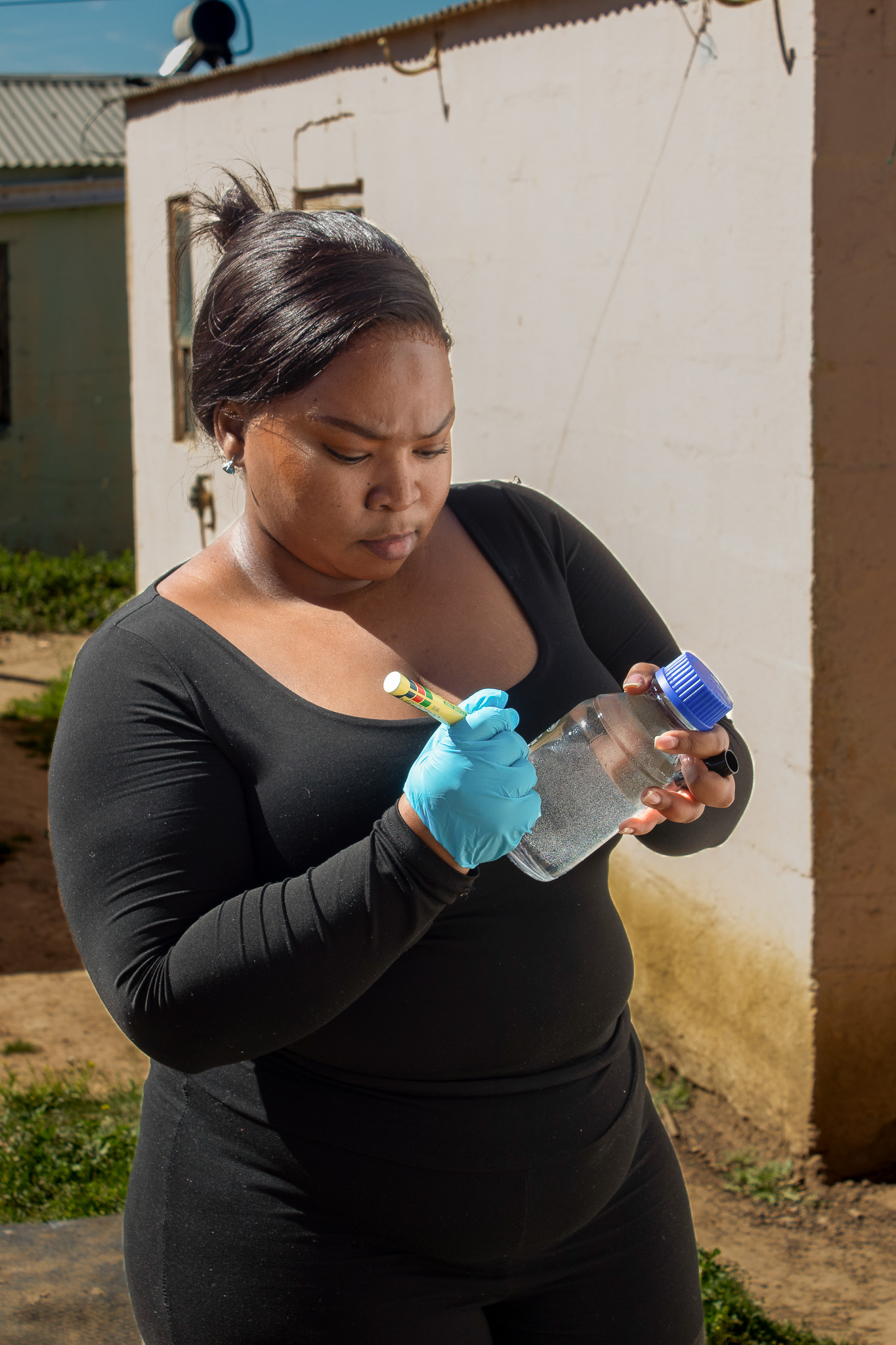
At this point, Hashe was met by a dry tap, which made sampling unattainable as the Water Testing Facility requires at least 200ml for a microbial test.
Collection point 4: Extension 7 communal tap
We arrived at another site where we found a bucket beneath a dry tap placed by a resident waiting for the sound of running water. Moments later, droplets appeared, allowing Hashe to sample the water. Madikiza posed her questions and found out that the water had no foul taste, smell or appearance.
Collection point 5: outside tap at Siyazama Preschool
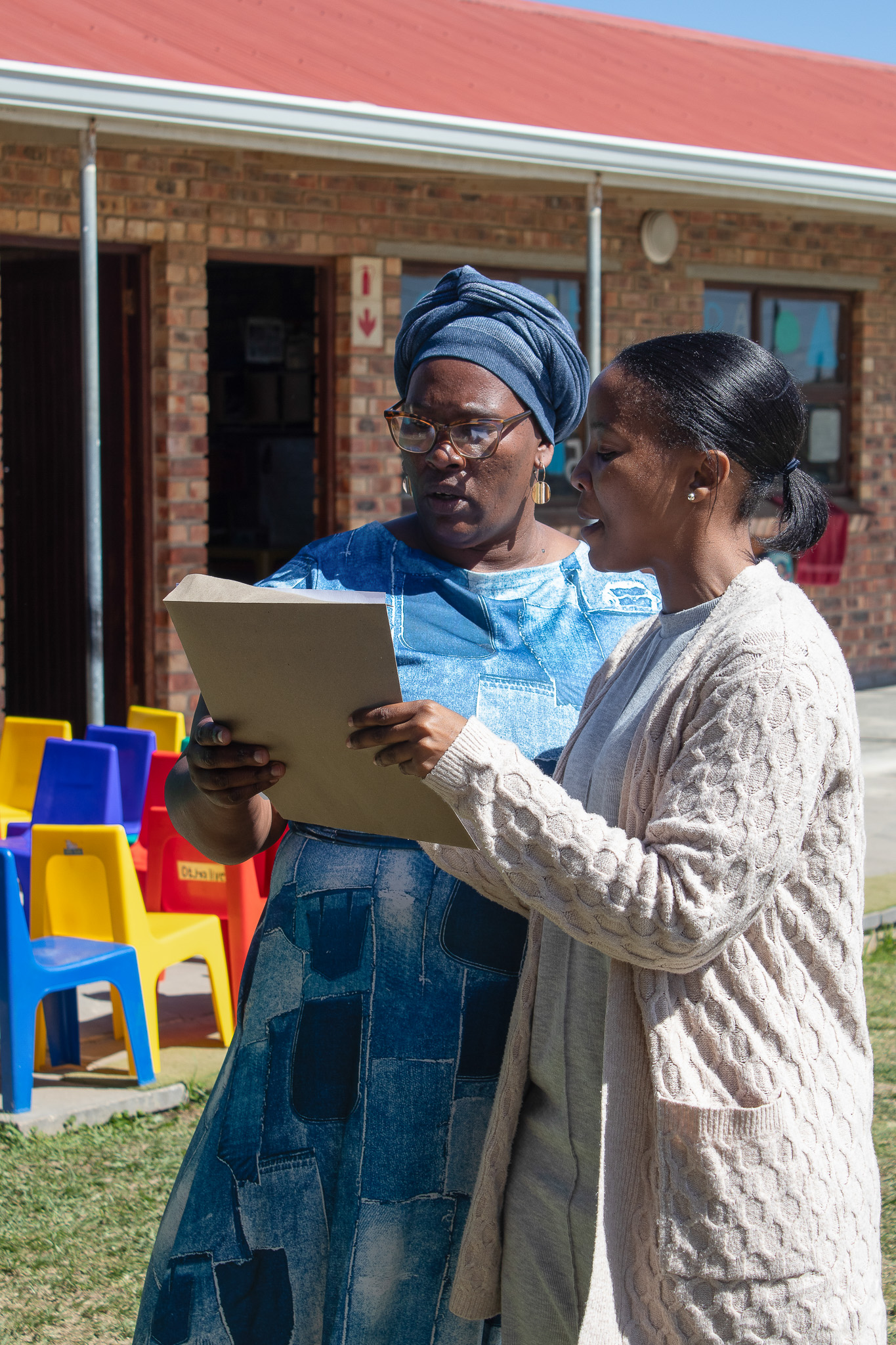
Hashe opened the tap and water poured out as she began her sampling routine. Principal Khayakazi Baliso said neither the staff nor preschoolers consume the water, meaning the water testing team had no e-tongue references to rely on. Baliso said, “Amanzi abalulekile apha kuba sincenceshela ngawo. Kodwa awosela wona sisebenzisa amanzi e-tank. We boil them the day before, and we allow the water to cool. Xaku ngekho amanzi abazi abantwana eskolweni.”
Collection point 6: Hooggenoeg outdoor household tap
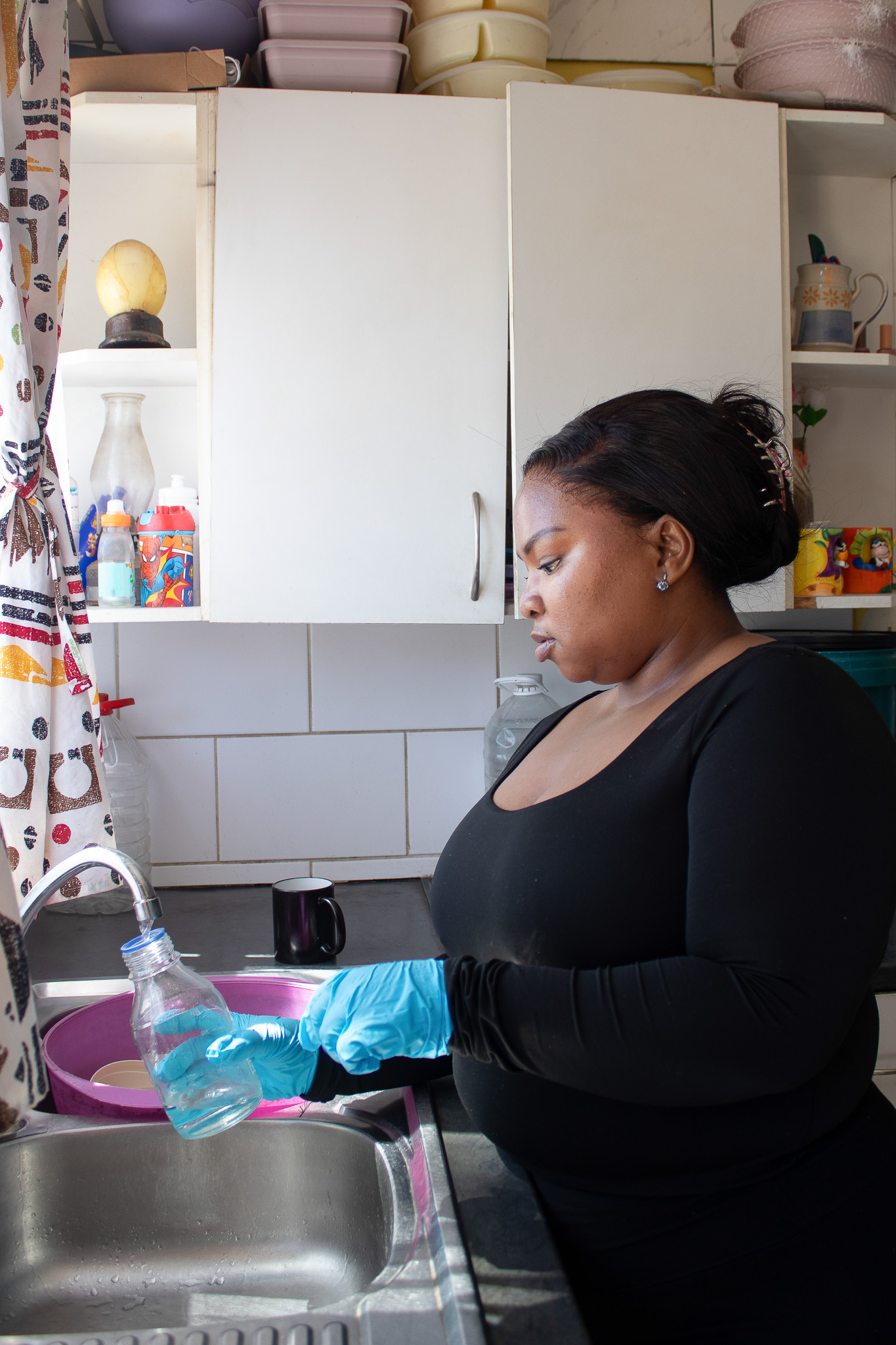
The household had no water; however, the tank storage water at these premises is constantly treated, and because of this, it qualified to be tested.
Collection point 7: household indoor tap at Blackbeard Street
From the sensory feedback gathered here the staff members were told the water had a chlorine-like taste. Madikiza said that this often indicates treated water. The individual found at the collection point said she had not noted any other complaints or changes apart from the chemical taste.
Collection point 8: the spring
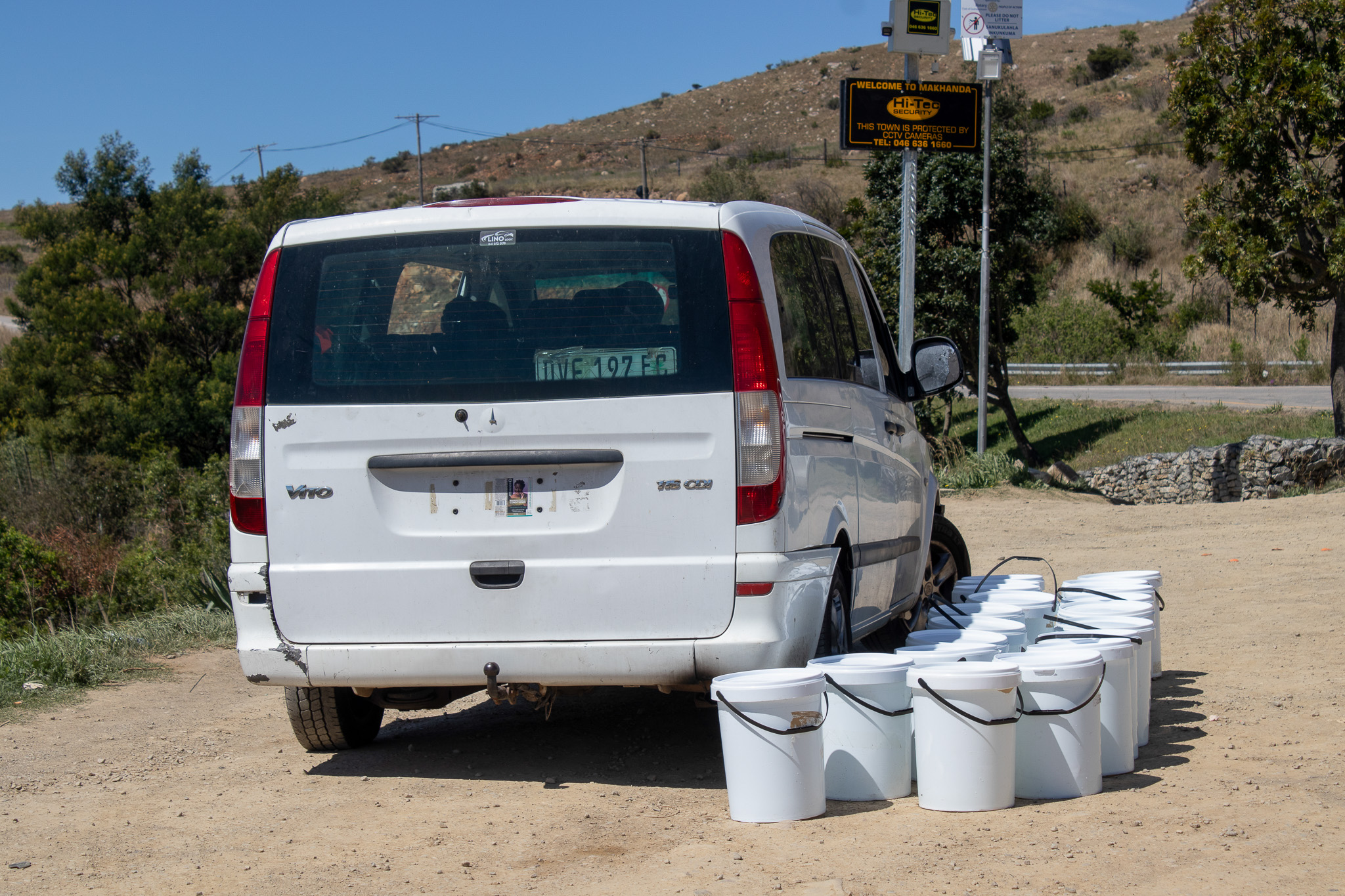
People from various areas around town were gathered for water. We were welcomed by a large crowd who had no complaints about the water.
In conclusion
According to the water testing team, all residents should note that factors such as cracks and the infrastructure of water sources affect the cleanliness of the water. They added that containers used by residents should be frequently cleaned as this can alter the water. Hashe said, “In cases where there hasn’t been water for a while, make sure to let it run first before consuming it. This allows the stagnant water to flow out.”
