


By Chalotte Mokonyane
Archbishop Nkosinathi Ngesi, representing the South African Council of Churches (SACC), attended the First National Dialogue convention. He criticised the event as a “talk show” that fails to translate discussions into real action, particularly at the community level.
Bishop Ngesi’s critique centres on the absence of a direct link between national discussions and real, measurable change on the ground. He added that important issues such as corruption and poor service delivery, while widely debated at the national level, ultimately need to be confronted at the local government level, where their impact is most directly felt.
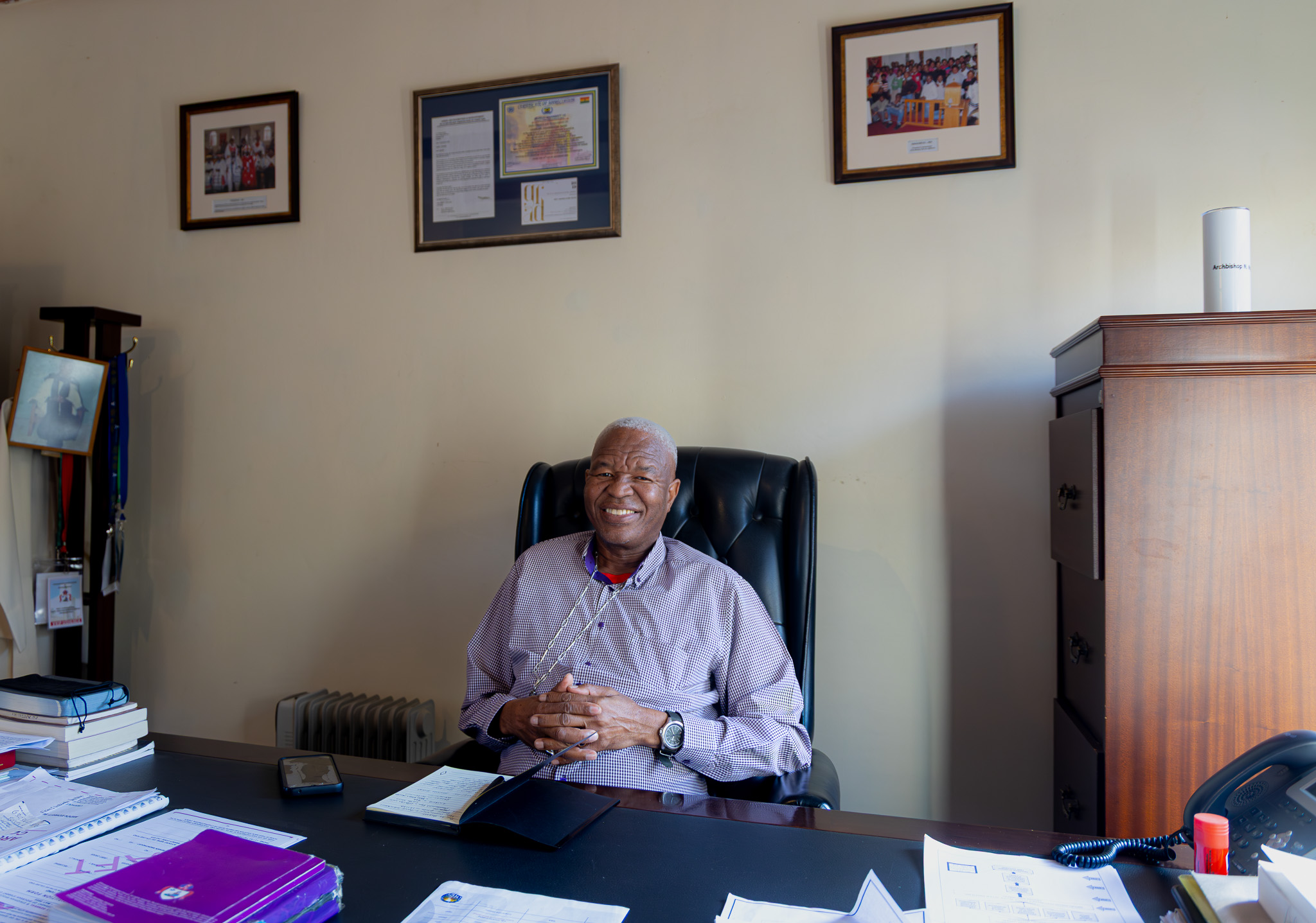
Ngesi voiced his concern over the lack of direct community representation at the convention, describing it as a “convulsion of the allies” rather than a true reflection of the people’s voices. He was happy to hear that the dialogue will reach provincial and regional levels, reaching local communities, which he hopes will bring genuine accountability.
Ngesi emphasised the theological importance of the dialogue as an opportunity for all social partners to “find one another” during a time of national crisis. He argued that this new social compact must be firmly rooted in justice, reminding participants that “God is a God of justice.” He stressed that the church will continue to speak out against injustice, particularly where the poor and oppressed are disproportionately affected. To illustrate this, he cited the ongoing water crisis in Makhanda, where residents pay rates but are denied basic services, asserting that those responsible, including the Makana Municipality, must be held accountable and removed if they fail to deliver.
To achieve genuine social cohesion and nation-building, Ngesi argued, reconciliation must go beyond symbolic gestures and directly confront the imbalances of the past. He insisted that those who benefited from the country’s resources have a moral responsibility to give back to communities that remain trapped in poverty. As an example, he pointed to the stark difference between liberation fighters who now live in deprivation. While the liberation fighters who committed injustices “roam freely” while drawing high salaries from the state. For Ngesi, reconciliation cannot happen in a vacuum; it must be anchored in justice and redress.
SACC maintains that real progress requires full implementation of the Zondo Commission’s recommendations, a step the government has yet to take. Corruption, the organisation’s primary concern, was not adequately addressed in the summary presented by the convention’s organisers. To tackle this locally, SACC plans to work with the Minister of Public Protectors to protect and assist whistleblowers, ensuring those who expose corruption and gender-based violence (GBV) are shielded from victimisation.
This article details South Africa’s first National Convention towards a people-led National Dialogue.
