


By Siyanda Zinyanga
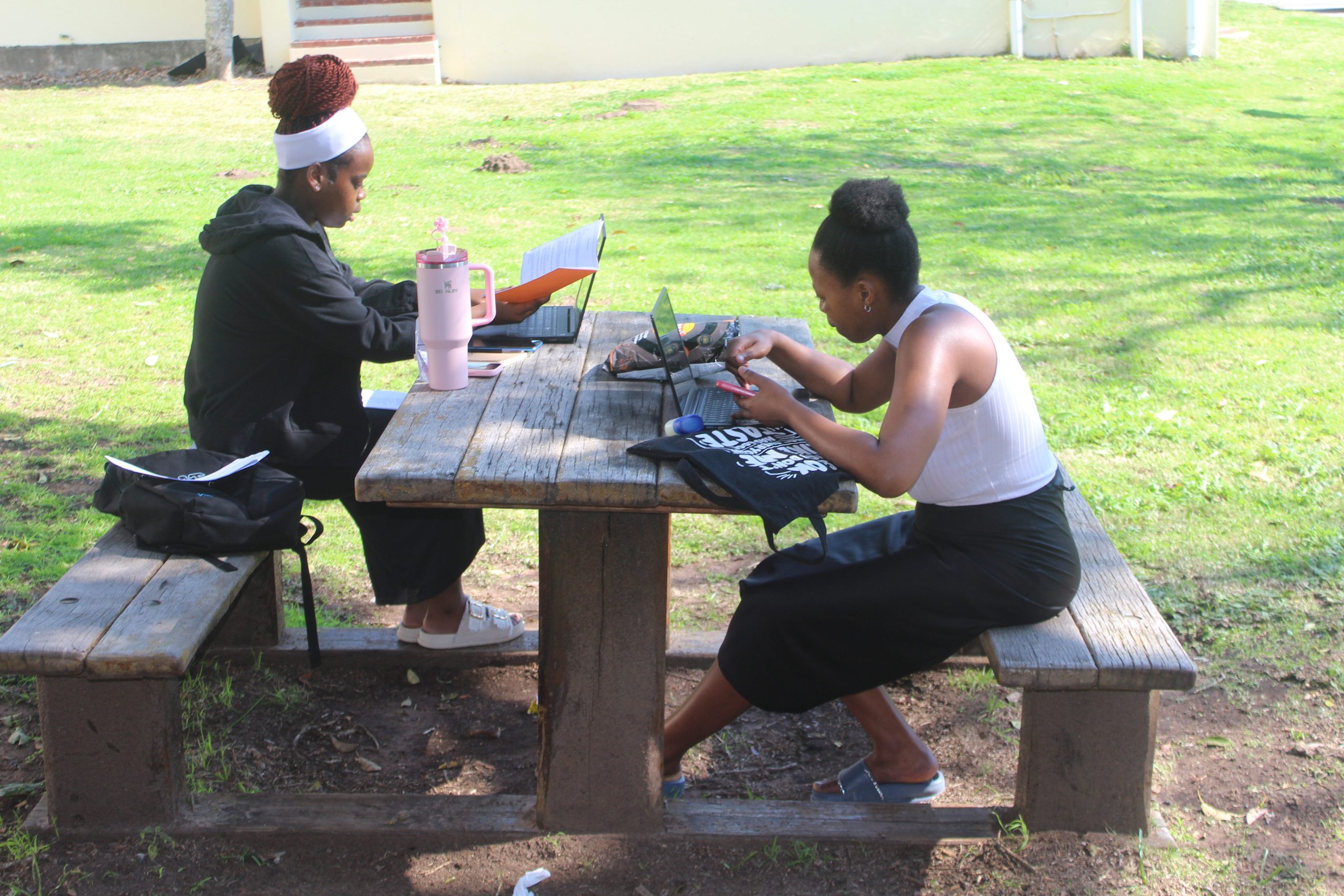
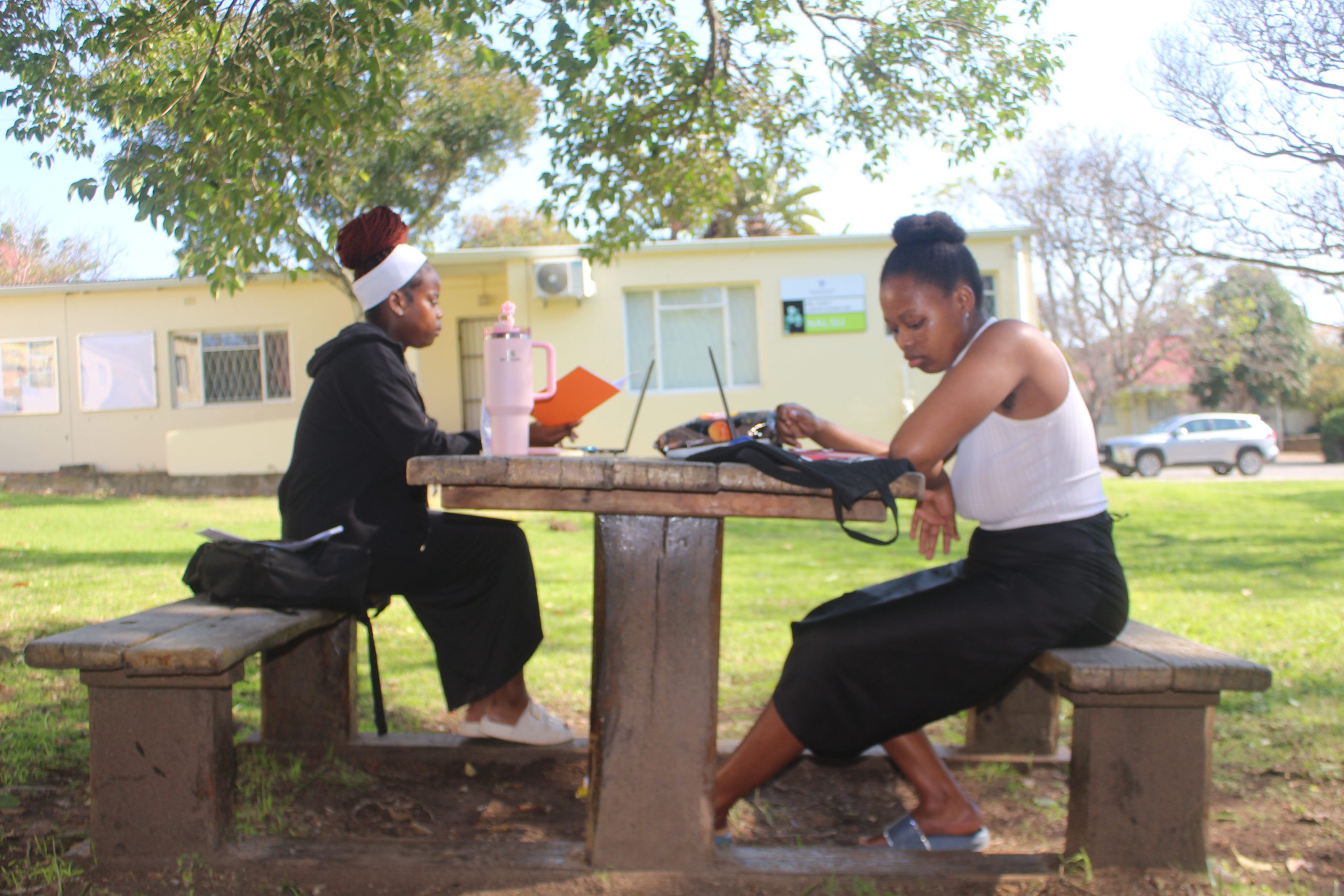
Exams have begun, so students are currently under pressure. Swotting and reading takes a mental toll as anxiety and depression increase. Support services are available but experts warn that poor coping strategies and language barriers can worsen outcomes.
Lindelwa Mshengu, a second year BA student at Rhodes, confirms this pressure. “During finals there is much pressure. These exams determine whether you come back.” Kedibone Makaepa added, “Right now there are assignments we are trying to finish.”
What the experts say
Research points out to three main causes of poor performance: language barriers, poor time management and poor study plans.
English is the medium language at Rhodes and at many schools. However, many students and learners come from households where English is not their language of communication. For these people, every reading confronts them. Having to decoding a second language impacts their confidence and comprehension — and therefore their performance.
“Many students arrive here with enormous academic potential but face real barriers,” said Zintle Bangiso, a lecturer and teaching practice co-ordinator in the Education Department at Rhodes. “Part of our role as staff is to identify students at risk and provide the assistance they need. Students from marginalised communities shouldn’t feel they don’t belong because English wasn’t their first language. They all deserve this space.”
Damian Ross Timms, a counselling psychologist at Rhodes, told Grocott’s Mail that programmes exist to support Rhodes students struggling to cope with academic expectations. “We run weekly Smash programmes to provide students with psychosocial support,” he said. “We also offer career guidance and counselling. When students present with problems, whether substances, anxiety or other issues, we ask, is substance abuse the problem, or is it a symptom of a deeper issue? This is a space to work that out.”
“Identify what works for you and what doesn’t. If going to the gym helps you manage stress, make it a priority. Balance is key. Academics are important but, without balance, you can lose yourself and not reach your potential. Ask for help. There are many services available. Some students have even learned to weaponise anxiety, to shift that energy into focused action.”
Tips for successful study
1. Give yourself enough time
Don’t leave it until the last minute! Some students do seem to thrive on last-minute cramming but, for most of us, this is not the best way to approach exam season. Set out a timetable for your study.
2. Organise your space
Try to get rid of all distractions. Make sure you feel as comfortable as possible to aid focus. For some people, this may mean almost complete silence; for others, background music helps. Some of us need everything completely tidy and organised to concentrate; others thrive with more clutter. Figure out what works for you, and take the time to get it right.
3. Use flow charts and diagrams
Visual aids can be really helpful when revising. At the start of a topic, challenge yourself to write down everything you already know about a topic. Then highlight where the gaps lie.
4. Practise on old exams
One of the most effective ways to prepare for exams is to practise taking past versions. This helps you get used to the format of the questions.
5. Explain your answers to others
Little brothers, and sisters don’t have to be annoying around exam time! Use them to your advantage. Explain an answer to them or to other relatives. Thia will help you to get it clear in your head and highlight any areas that need more work.
6. Organise study buddies
Get together with friends for a study session. You may have questions that they know the answers to, and vice versa. Stay focused on the topic for an agreed-upon amount of time, and this can be one of the most effective ways to challenge yourself.
7. Take regular breaks
You may think it’s best to study for as many hours as possible but this can actually be counterproductive. If you were training for a marathon, you wouldn’t run for 24 hours a day! Likewise, studies have shown that taking regular breaks helps in the long-term retention of knowledge.
8. Snack on brain food
Keep away from junk food! You may feel like you deserve a treat, or that you don’t have time to cook, but what you eat can really affect energy and focus.
9. Plan the big day
Get everything ready long before the exam. Do you know the way to the exam venue? Do you have everything you need to bring? Check all the rules and requirements, plan your route and journey time.
10. Drink water
Being well hydrated is essential for your brain to work at its best. Make sure you drink water throughout your revision and on exam day.
Good luck!
