


By Uvile Soci
“I don’t even know who the councillor is. And even if I did, what would they do?” Zolani township resident Lisakhanya Ranuga (20) asked the question Grocott’s Mail heard across Makhanda.
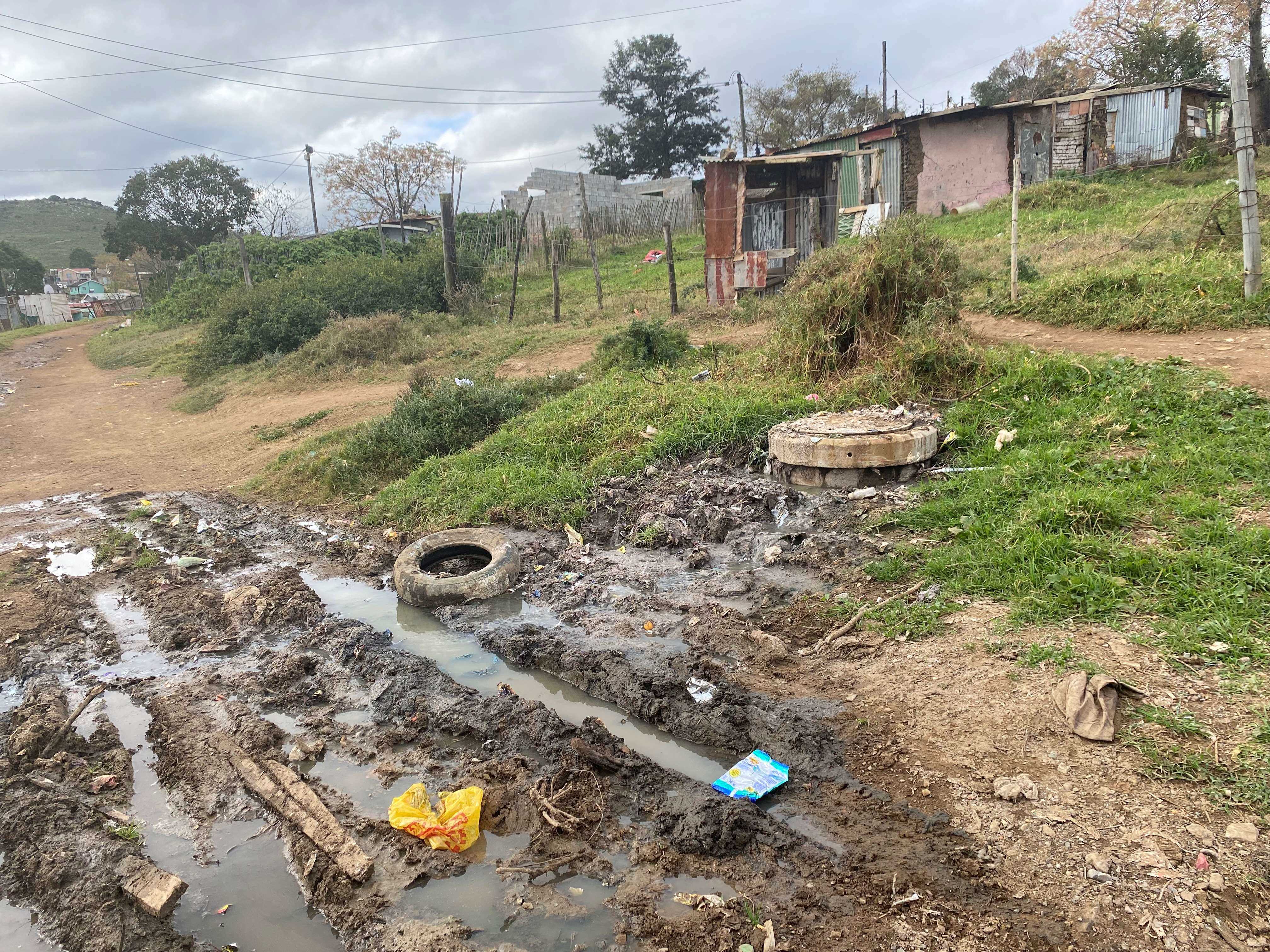
Amid collapsing infrastructure and failing service delivery, many Makana residents do not know who represents them in council, or if anyone is truly listening to them. A fundamental component of democracy is missing in action. While interviewing people across areas like Joza, Tantyi, and Zolani, a common thread emerged: “We don’t know them, and they don’t know us.”
To explore this communication breakdown, Grocott’s Mail contacted every councillor in the Makana Municipality to ask about the channels of communication they use with their constituents. Some councillors answered the call, and a few offered meaningful responses. Others either avoided direct questions or failed to reply altogether.
Starting with those who picked up the phone
Cary Clark (Ward 8), Sakhiwo Zono (Ward 11), and Vuyani Nesi (Ward 14) found that WhatsApp groups seemed to be the most effective channel of communication with constituents. Clark said, “WhatsApp groups work well. It’s the most efficient way to be able to assist people. Any complaints that that are made are sent straight to the municipality. It’s a lot of work, though, as I find myself in many other ward committee groups as well, trying to help out.”
Zono also finds that regular monthly meetings with ward committee members is essential. “Ward committee members sit in meetings on the 15th of each month for their respective areas within the ward. I then sit with those ward committee members quarterly, where they bring issues that have come up in the monthly meetings,” he said.
Some of the councillors who did respond to Grocott’s Mail noted that bureaucratic processes often delay action on complaints. “There are going to be lazy commitee members in every ward who don’t do their part, and that’s how issues get delayed in getting fixed,” said Nesi.
Those who were evasive
A few councillors appeared reluctant to speak openly to Grocott’s Mail, evading questions around responsiveness and follow-up. Rumsell Xonxa (Ward 2), Vuyani Jezi (Ward 6) and Lunga Masinda (Ward 7) all suggested I speak to the Speaker of the Council, Mabhuti Matyunza, and request his permission to interview them.
I also attempted to reach Councillor Zodwa Cetu (Ward 10) for comment. By the following day, news of her death had spread through Makhanda, a reminder of the fragile human element behind the political machinery of local government.
Those remaining silent
Phumelele Peter (Ward 1), Andile Hoyi (Ward 3), Gcobisa Mene (Ward 5), Geoff Embling (Ward 4), Mzobanzi Nkwentsha (Ward 12) and Wandisile Matina (Ward 13) could not be reached for comment in the days I tried contacting them, despite many attempts. Later, Embling redirected me to the Democratic Alliance’s (DA) Facebook page in response.
Platforms for engagement, such as ward committee meetings or imbizos, have become irregular or, according to some, performative. The digital engagement platform MobiSAM, created to bridge the gap between citizens and local government, has struggled to gain meaningful traction. Research shows it often suffers from unequal access, limited uptake, and lack of political responsiveness.
Fixing the problem
Communication and accountability in Makhanda could be improved by:
- Publishing councillor contact lists and holding mandatory ward meetings. Residents need to know who represents them and how to reach them.
- Rebuilding ward committees with real power. Empowering communities to make decisions helps restore trust.
- Holding regular crime and safety briefings with SAPS and CPF. Transparency around security matters builds confidence and enables cooperation.
- Mounting civic education campaigns. People should know who their councillor is and what they are elected to do.
- Supporting civic tech and access to mobile platforms. Tools like MobiSAM must be funded and expanded to ensure inclusivity. A simple WhatsApp group would be a good start.
As traditional communication channels fail, residents turn to protest and litigation. Civic organisations like Makana Revive! and the Unemployed People’s Movement (UPM) now represent the voiceless. These and other groups have spearheaded clean-up campaigns, court challenges, and public mobilisations, but even their efforts often hit a wall of institutional indifference. In 2023, protests over electricity cuts and water shortages turned violent, pointing to a population with no other way to be heard.
