Exhibitions
Venue: Albany History Museum
Dates: 26 June – 6 July
Interview
By Aphiwe Ngowapi
The Albany Museum’s History Department is hosting several exhibitions for this year’s National Arts Festival (NAF). Gcobisa Zomelele, Head and Curator of the Museum, took time from her busy schedule to give Cue Media a tour and discuss the exhibitions.
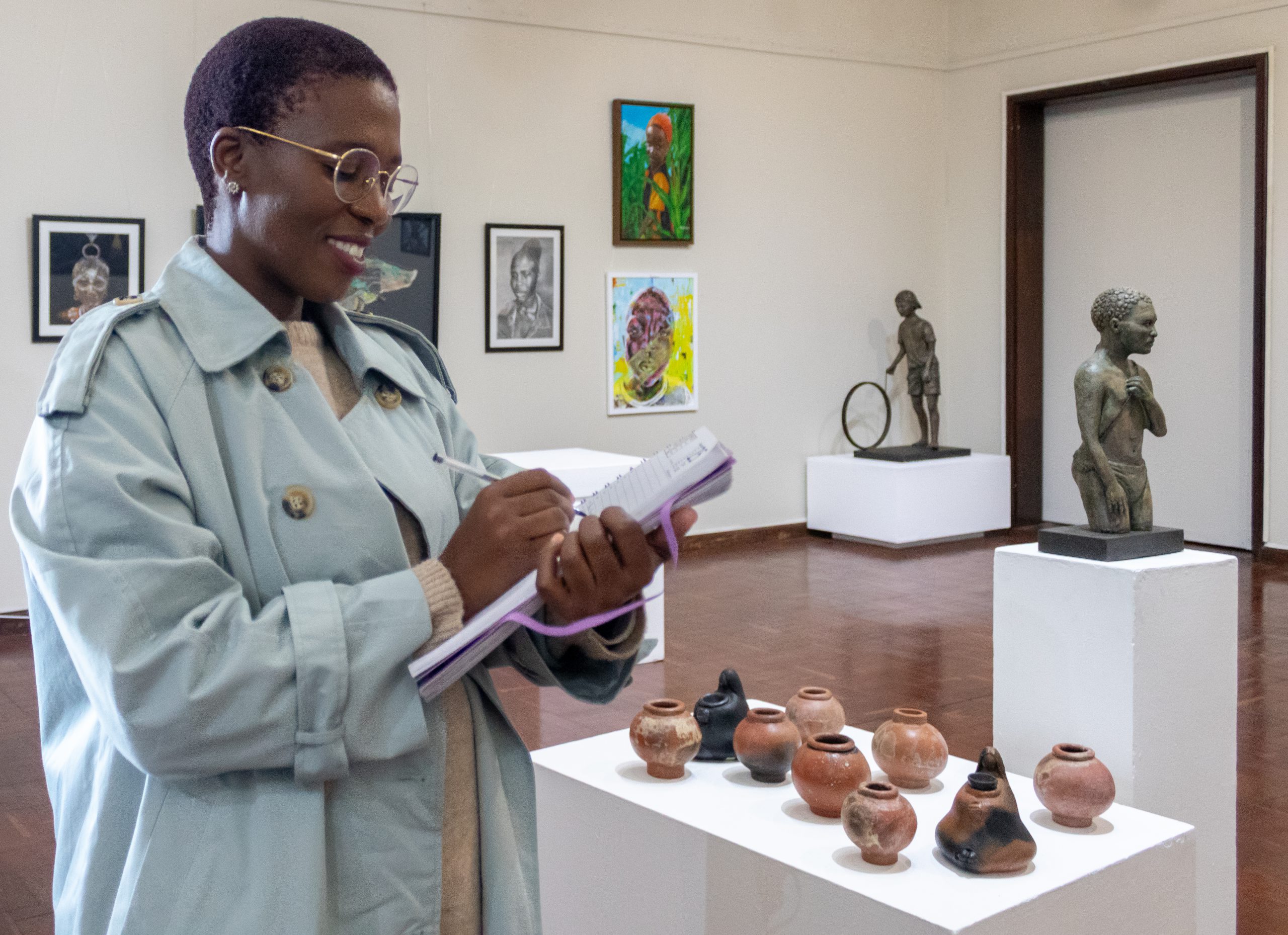
At the entrance to the museum is an exhibition titled Creative Lines, Forms, and Lenses, by the Eastern Cape Sport, Recreation, Arts & Culture, Eastern Cape Development Corporation, and the Market Photo Workshop. It showcases Eastern Cape visual artists’ work, including painting, sculpture, and mixed media, reflecting the province’s cultural heritage and contemporary life through bold lines and forms.
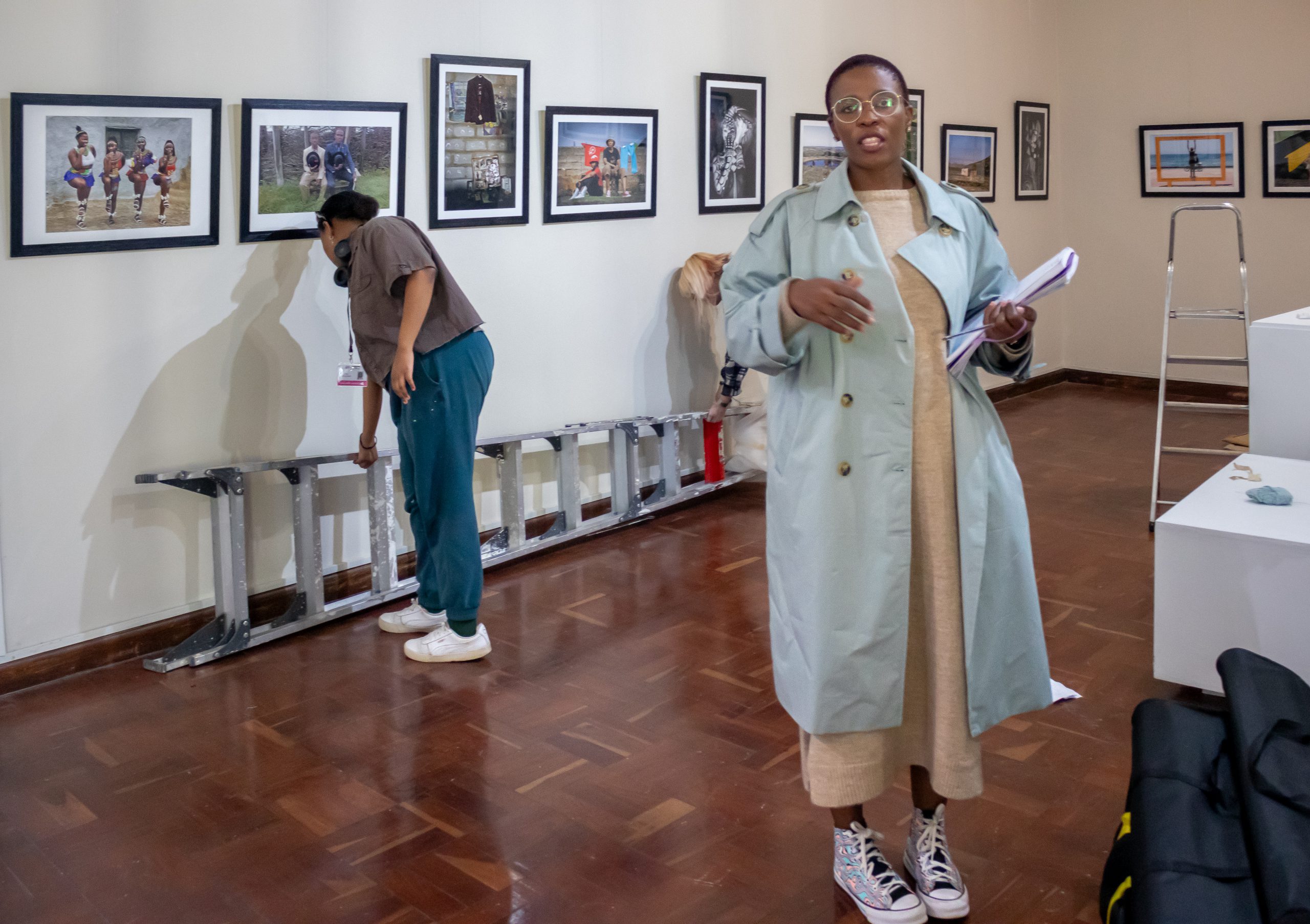
In dialogue with these works is the group exhibition Singobani, who are we? – where young women photographers use their photographs infused with Augmented Reality (AR) features to break the traditional frame, allowing viewers to dive deeper into stories that are alive, evolving, and deeply personal.
Zomelele said, “This year I am seeing growth, I am seeing colour – Eastern Cape artists are improving”.
The top floor of the museum features Black Sash: Seven Stories Over Seven Decades, an interactive exhibition by the South African human rights group, Black Sash, curated by Amanda Rinquest. It celebrates their 70-year history of defending human rights by displaying photos and items from their fight against apartheid to their promotion of democracy post-1994, including advocating for a Basic Income Grant. Today, Black Sash continues to promote dignity and social protection through advocacy, education, monitoring, and a helpline.
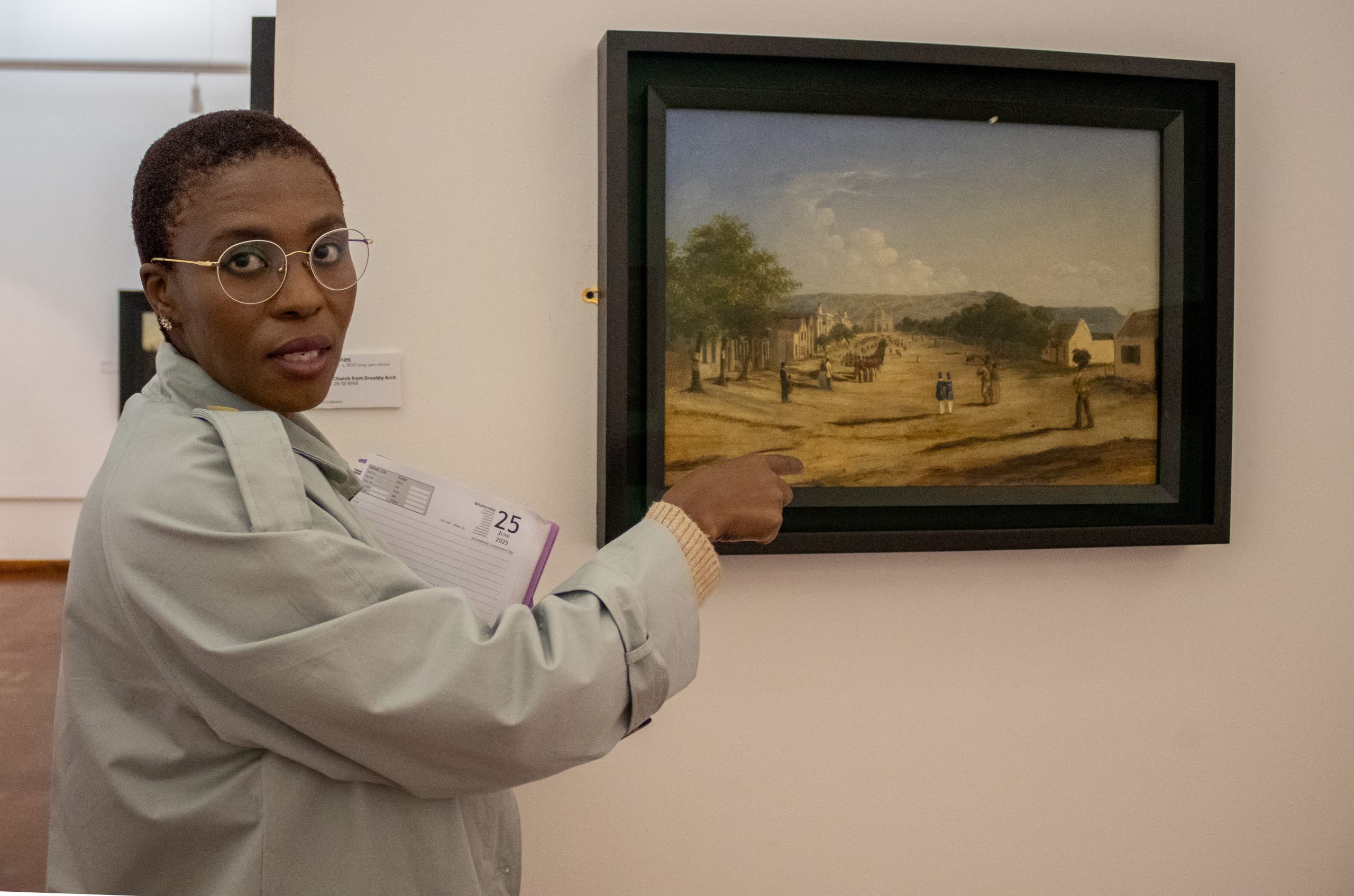
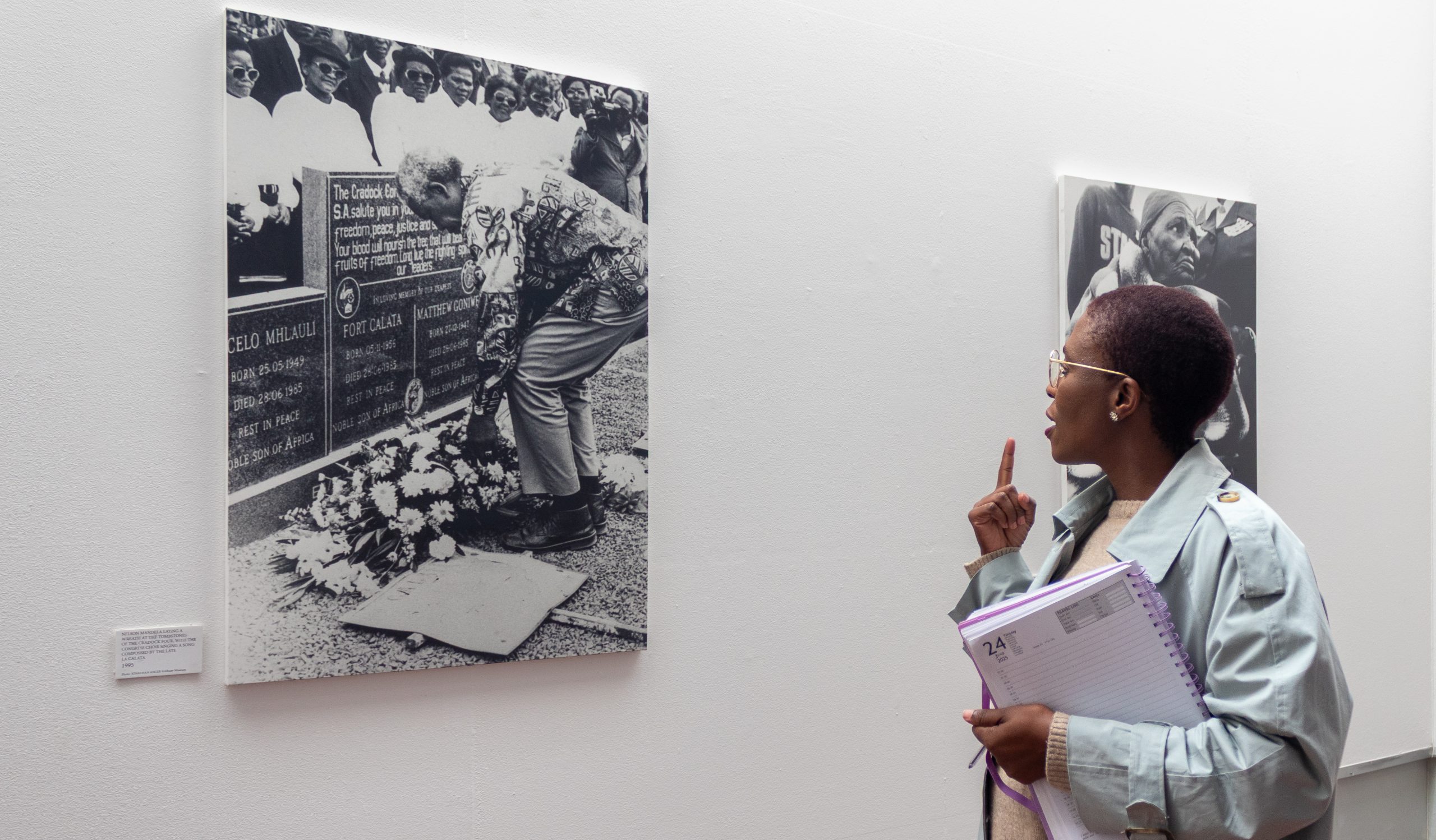
The museum’s other galleries feature permanent works from its collection. Landscapes of the Eastern Cape, an exhibition inspired by Thomas Baynes, showcases significant landscape paintings from the 1800s. Another exhibition commemorates the 40th anniversary of the “Cradock Four,” a photographic display telling the story of anti-apartheid activists Fort Calata, Matthew Goniwe, Sparrow Mkonto, and Sicelo Mhlauli, who were killed during the apartheid era. “We found these photographs in an envelope here at the museum,” said Zomelele.
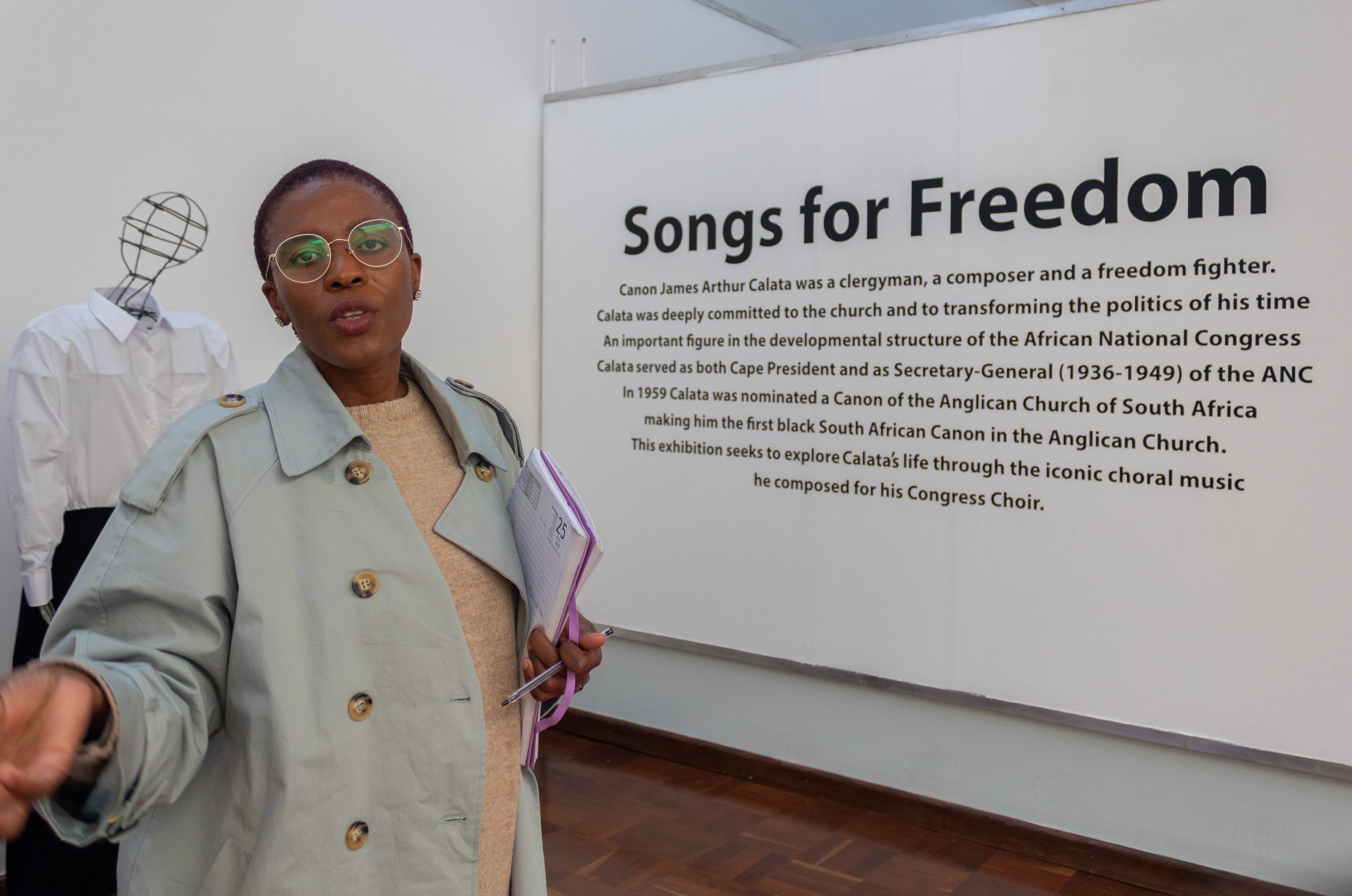
Songs for Freedom commemorates Canon James Arthur Calata, a churchman and freedom fighter. He worked to change the politics of the country.
The museum also features older exhibitions and Zomelele said that in the future they are looking at not only using the space for NAF but also to provide an opportunity for local artists to showcase their talent.