


By Nomfundo Mbatha and Zisanda Kesa
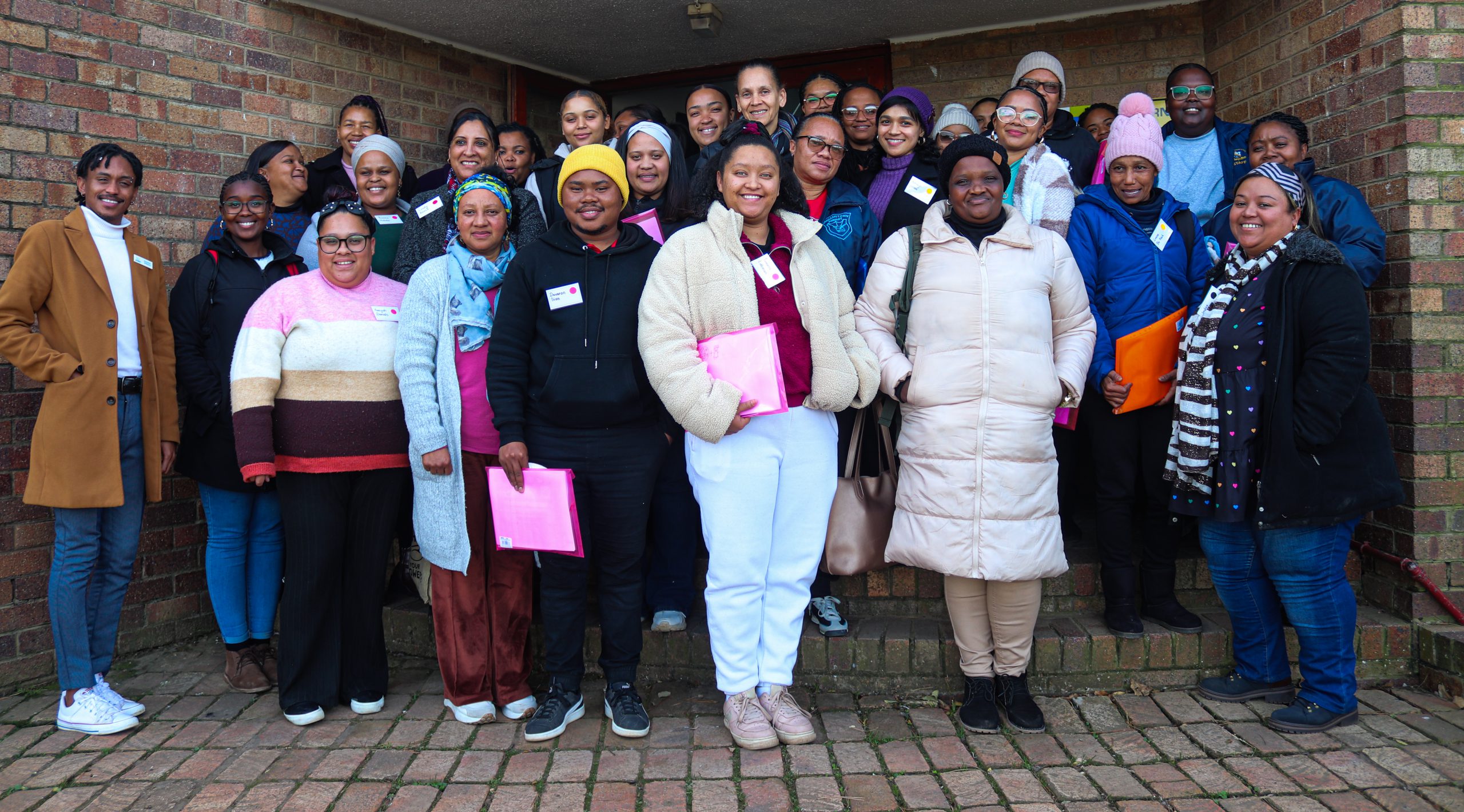
In a united effort to address the growing pressures facing local educators, Grahamstown Primary School and St Mary’s Development Care Centre (DCC) have launched a joint teacher development workshop to tackle burnout, classroom challenges, and foster a sense of community among teachers.
The two-day workshop in late June provided a much-needed platform for teachers to reflect on their roles, share experiences, and gain new strategies to cope with overcrowded classrooms, behavioural issues, and professional isolation.
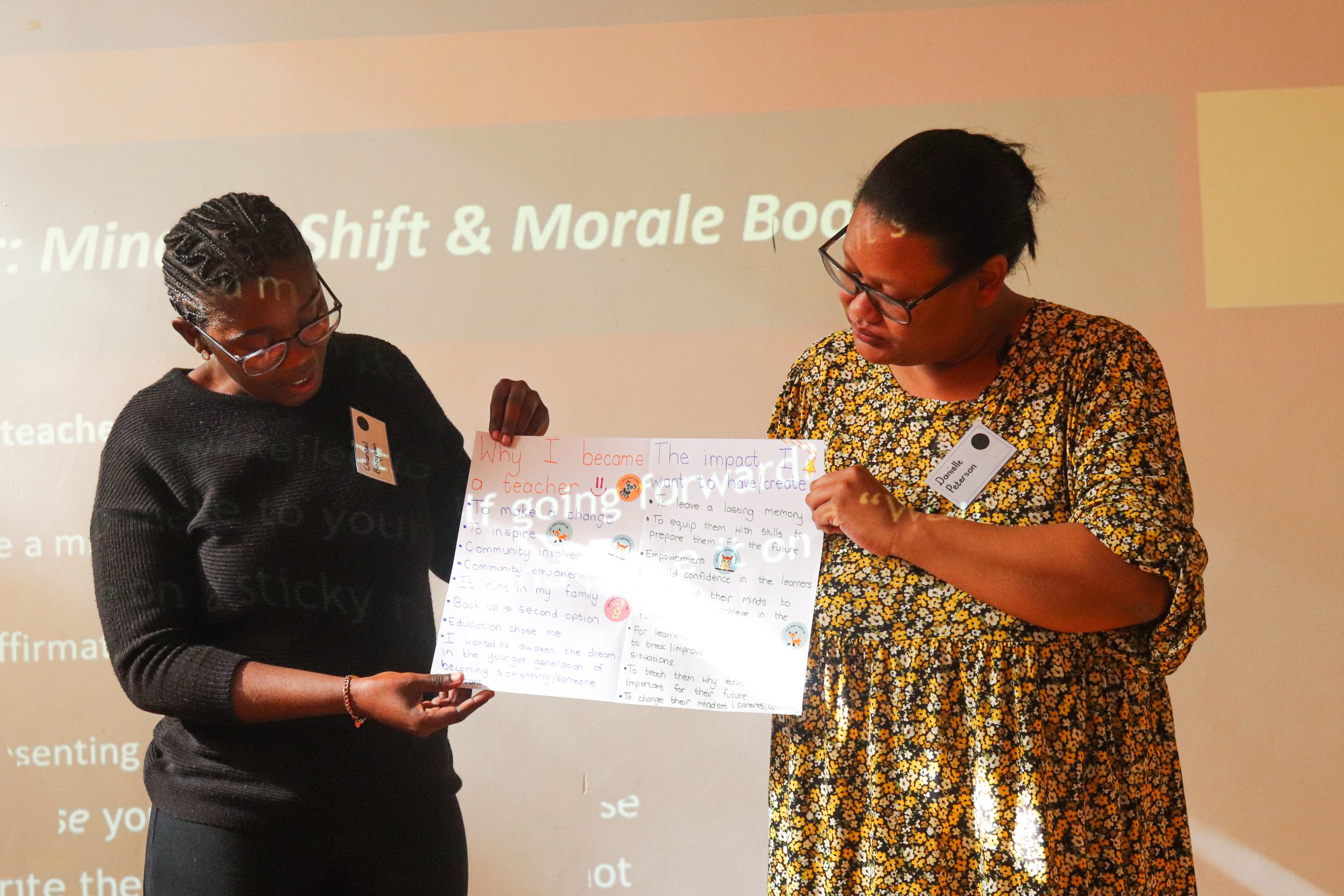
During the first day, participants were encouraged to revisit why they entered the teaching profession and reflect on the long-term impact they hope to have on children’s lives.
“We want to move from a fixed mindset to a moving mindset,” said Caron May, manager of St Mary’s DCC. She said the workshop aimed to empower teachers and reignite their passion for education amid mounting challenges.
Thimna Nobebe, a teacher at Ntaba Maria R.C. School, said she hoped to grow holistically through the workshop, especially regarding inclusive education. “I want to improve my classroom management skills and get new, innovative ideas to bridge the gaps within schools that are extremely under-resourced,” she said.
Class management and overcrowding
A recurring concern voiced by many participants was the challenge of managing overcrowded classrooms, with some teachers handling more than 45 learners per class.
“Overcrowded classes are hard to manage. It’s even difficult to discipline learners, and it gets overwhelming,” said Chevandria Maerman from George Dickerson Primary School. “I hope to get assistance and more knowledge on how to deal with such challenges as a primary school teacher.”
For some, the mental toll of teaching has been deeply personal. “I had to check myself into a mental institution, and when I arrived there, most of the people were teachers,” Nobebe said. “These workshops give us a platform to share and to realise we are not alone.”
Parental involvement and lack of knowledge
Another key issue discussed was the lack of parental involvement in learners’ academic and emotional development. Teachers reported struggling to engage parents, particularly when addressing learning disabilities or behavioural concerns.
Natasha Meyer, a St Mary’s DCC social worker, stressed the need for continuous parent education. “Teachers have a duty to educate parents, especially those in denial. You just need to keep educating and assessing until they understand the need for their children to get help,” she said.
Energy, insight, and inspiration
The second day of the Teacher Development Workshop began with a dynamic session led by Brendon Williams, literacy coordinator at St Mary’s Development Care Centre (DCC). With his signature enthusiasm, Williams tackled the topics of classroom management and strategic grouping with practical tools and fresh ideas for creating a structured, engaging, and joyful classroom environment. His interactive teaching style had educators on their feet learning by doing and left many buzzing with new strategies to bring back to their schools.
Next up was May, who captivated the room with a heartfelt presentation on the damage caused by negative labels placed on learners. She brought to life the emotional weight of these labels, urging educators to reflect on their own language and classroom practices. Her message was clear: schools should be safe havens where every learner feels seen, valued, and supported.
Glyneise Arries, a childhood development officer, spoke about the importance of support systems for both teachers and learners. Through a collaborative activity that encouraged sharing and solidarity, she reminded attendees that they are not alone in their challenges. Her session offered practical guidance on identifying and accessing the right support at the right time.
Participant Siyanda Matomela of George Dickerson Primary praised the workshop as “well prepared,” adding that the activities were “very nice and engaging.” Nobebe left excited about using the Talking for Writing (T4W) strategy to enhance language and reading development in her classroom.
